ADVERTISEMENT
Did you know nearly 70% of American homeowners want to improve their outdoor spaces? Garden zoning is key to making backyards better for fun and function. By setting up different zones, you can have areas for chilling, eating, gardening, and playing.
This approach not only makes your yard look great but also makes it more enjoyable. In this article, we’ll share garden zoning ideas and tips. They’ll help you create a harmonious and fun outdoor space.
Key Takeaways
- Garden zoning helps organize outdoor spaces into functional areas.
- Proper zoning enhances both beauty and usability of your yard.
- Different zones can reflect varied activities like dining, relaxing, and gardening.
- Effective outdoor space organization caters to social gatherings and personal retreats.
- Incorporating various plant types makes each zone unique and inviting.
Understanding Garden Zoning: What It Is and Why It Matters
Garden zoning helps homeowners make the most of their outdoor spaces. It involves dividing areas for different uses. This way, you can enjoy your garden more and spend more time outside.
ADVERTISEMENT
Benefits of Garden Zoning
There are many benefits to garden zoning. It makes your garden more useful for things like relaxing, eating, and gardening. By setting up different zones, you can create spaces for both fun and quiet moments.
Common Zoning Concepts
Many garden designs use common zoning ideas. These include areas for relaxing, playing, and growing food. Paths connect these zones, making it easy to move around. Features like trellises and hedges help define each area.
Creating a Functional Layout
Creating a good layout is key to a great outdoor space. Think about where the sun shines and how the wind blows. This helps you plan paths that flow well, making your garden welcoming and easy to use.
Types of Garden Zones You Can Create
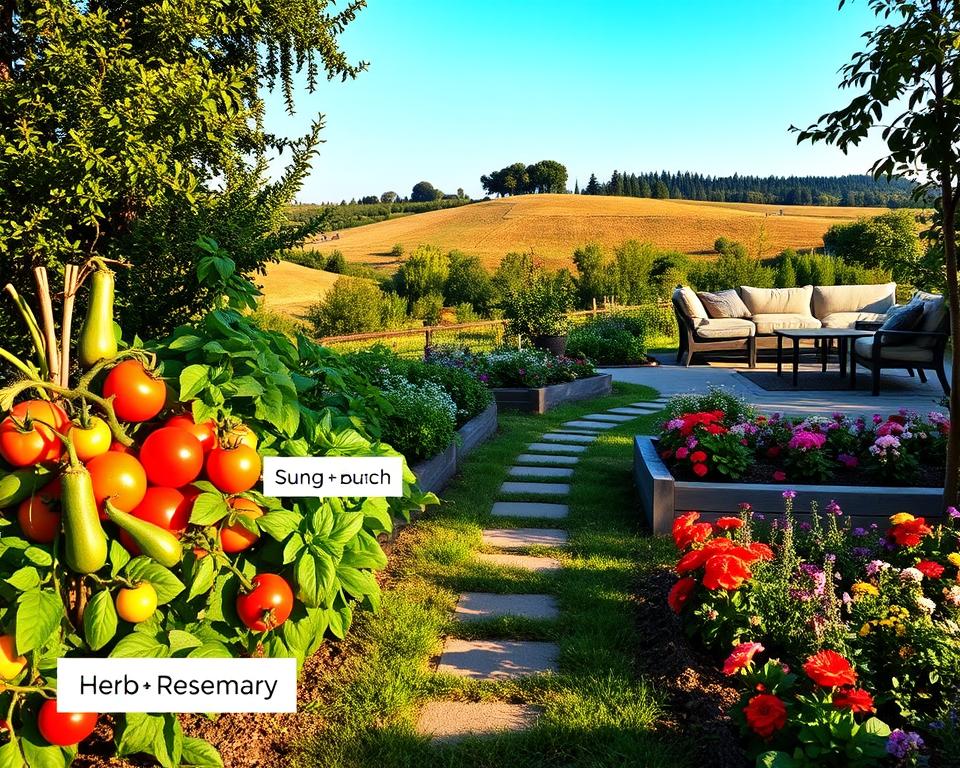
Creating different garden zones lets homeowners design their outdoor space well. Each zone has its own purpose, making the garden more enjoyable and useful. We’ll look at zones for relaxation, dining, growing veggies, and play areas for kids.
Relaxation Zones
Relaxation areas offer a calm spot in your garden. You can add comfy seating like hammocks or patio chairs. Features like water fountains or fire pits add to the peaceful feel, helping you relax outdoors.
Dining and Entertaining Areas
Dining zones are key for hosting parties. They should be near outdoor kitchens or grills for easy food access. A sturdy table and comfy chairs let your family and guests enjoy meals outside.
Vegetable and Herb Gardens
Vegetable gardens let you grow your own food, promoting a green lifestyle. Think about sun exposure and easy access when planning. Raised beds help organize and make upkeep simpler, keeping your garden healthy.
Children’s Play Zones
Safe play areas for kids in your garden are a must. Use natural boundaries like hedges or low fences to keep these zones safe. This design boosts safety and keeps the garden balanced and useful.
Tips for Planning Your Garden Zones
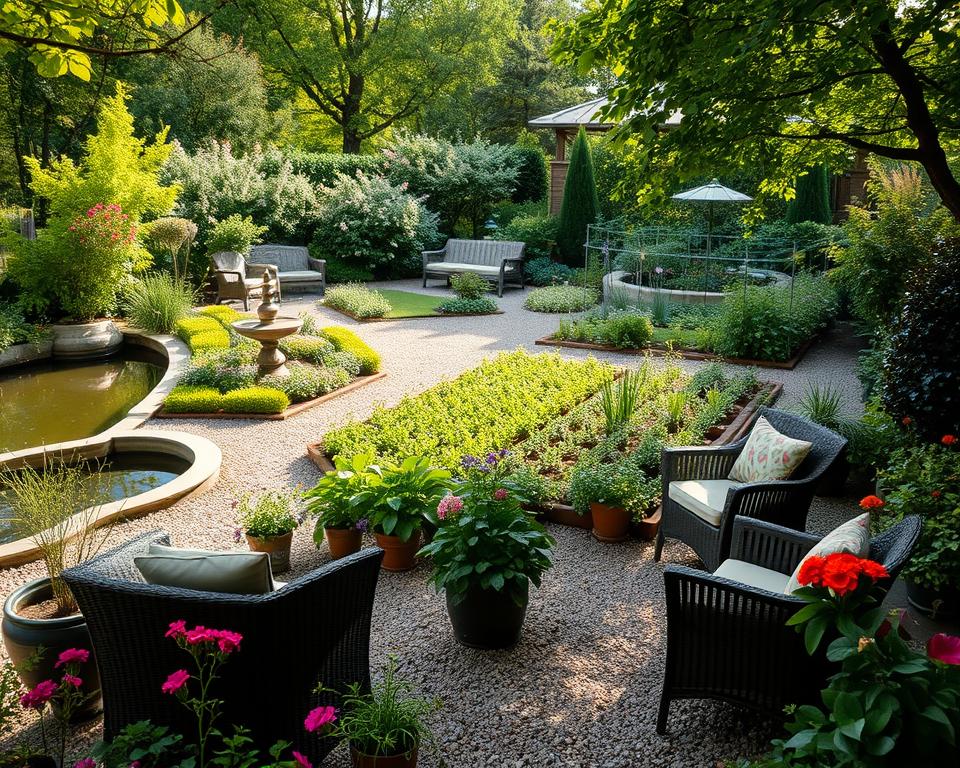
Planning your garden zones needs careful thought. You should assess space, think about sunlight, and identify soil types. This will help you create a well-organized layout.
Assessing Available Space
Start by measuring your garden area. This will tell you how much space you have. Look at any structures like patios or fences that might change your layout.
This step helps you figure out how to fit different zones together. It makes your garden both functional and beautiful.
Considering Sunlight and Shade
When choosing plants, sunlight is key. Watch how sunlight changes in your garden during the day. Each zone needs the right amount of sun or shade.
For example, veggies need lots of sun. But a cozy reading spot might do better in the shade.
Identifying Soil Types
Soil health is vital for your garden. Do a soil test to learn about pH and nutrients. This info helps pick the right plants for each zone.
Knowing your soil type helps you plan and care for your garden better. This leads to a garden that grows and thrives.
Selecting Plants for Each Garden Zone
Choosing the right plants for each garden zone can make your outdoor space better. Focus on what your relaxation areas, kitchen gardens, and entertainment spaces need. This way, you can create a welcoming and beautiful environment.
Best Plants for Relaxation Areas
For a calm space, pick plants like lavender, jasmine, and other fragrant perennials. These plants look good and smell nice, making your garden feel more relaxing. Tall plants can also make your space more private, creating a peaceful spot.
Vegetables and Herbs for Kitchen Gardens
In kitchen gardens, choose sun-loving, easy-to-care-for plants like tomatoes, basil, and peppers. These plants taste great and make your kitchen look green and lively. They add flavor to your food and make your kitchen area more inviting.
Colorful Blooms for Entertaining Zones
To make entertaining zones lively, colorful blooms are key. Use seasonal flowers, hanging planters, and perennials to brighten up your space. The right plants will fill your garden with color and happiness, perfect for parties and gatherings.
Hardscaping Ideas for Defined Garden Areas
Effective hardscaping ideas can make your outdoor space both beautiful and useful. Patios, garden fences, and pergolas can turn your garden into a well-organized retreat. These elements add beauty and structure, defining different areas in your garden.
Patios and Walkways
Patios and walkways made from pavers or gravel create solid paths in your garden. They make it easy to move around and add to the garden’s beauty. Whether you choose a stone patio or gravel paths, these ideas help create a functional outdoor space.
Fences and Borders
Garden fences and borders are key for privacy and defining areas. Fences set clear boundaries, making each space useful. Low walls or hedges can create informal barriers, adding privacy without blocking the view.
Pergolas and Structures
Pergolas are great for defining areas and adding beauty. They provide shade and support for climbing plants, making your garden more stunning. Adding pergolas to your design creates cozy spots for relaxation or parties, blending function with beauty.
Incorporating Water Features into Your Garden Design
Water features can turn your garden into a peaceful oasis. They add beauty and make your outdoor space more enjoyable. Knowing about different water features and how to care for them is key to a great garden design.
Benefits of Water Features
Adding water features to your garden has many benefits. They make your garden look better and create a calm atmosphere. Ponds, fountains, and waterfalls attract birds and insects, making your garden a haven for wildlife.
Types of Water Features to Consider
Choose water features that match your garden’s style and your ability to maintain them. Here are some popular options:
- Ponds: Great for wildlife and aquatic plants.
- Fountains: Perfect for creating a focal point and beautifying your space.
- Waterfalls: Adds a dramatic element and soothing sounds to your garden.
These features are not just pretty; they also help your garden thrive.
Placement and Maintenance Tips
Where you place your water features is important. Put them where you can enjoy them, like near seating or paths. For easy care, use natural filters to keep the water clean and healthy for wildlife. Regularly check the water’s quality to keep your features looking great.
Using Furniture to Define Spaces
Choosing the right outdoor furniture is key to a great garden design. It makes different areas inviting and functional. Whether for relaxing, dining, or fun, the right furniture makes a big difference.
Strategic placement of furniture ensures comfort and flow. This makes your garden feel welcoming and easy to move around in.
Choosing the Right Outdoor Furniture
When picking outdoor furniture, think about the space’s purpose and style. For lounging, choose comfy seats and add side tables for easy access. Dining areas need stylish, practical tables and chairs.
Brands like Polywood and Castelle offer weather-resistant furniture. Their pieces stay beautiful and useful all year round.
Arranging Furniture for Flow
The way you arrange outdoor furniture affects your garden’s feel. Grouping chairs and tables for conversation creates a social atmosphere. Make sure paths are clear for easy movement.
Arrange furniture to encourage interaction but keep paths open. This makes your garden both engaging and practical.
Weather-Resistant Options
Weather-resistant furniture lets you enjoy your garden all year. Materials like aluminum, teak, and resin wicker are durable and look great outdoors. With proper care, they create a perfect spot for relaxation and fun.
Lighting Ideas for Different Garden Zones
Creating the right ambiance in your garden makes it look better and work better. Using a mix of garden lighting ideas makes outdoor spaces shine, day or night. The choice between soft lighting and focused lighting depends on your garden’s zone and use.
Ambient Lighting Strategies
Soft, indirect lighting creates a cozy atmosphere for relaxing or entertaining. Consider using:
- String lights to add a whimsical touch to patios.
- Lanterns that provide gentle illumination along pathways.
- Low-voltage lights around seating areas for subtle highlights.
These options enhance ambient lighting, making your outdoor space welcoming.
Spotlighting Key Features
Directing light to focal points like sculptures, trees, or water features makes your garden more interesting. Spotlights can be placed to:
- Create dramatic shadows that add depth.
- Highlight beautiful blooms that may be missed at night.
- Showcase architectural elements like pergolas or raised beds.
This not only makes your garden look better but also encourages evening enjoyment.
Solar vs. Electric Options
When choosing lighting, think about outdoor solar lights and electric options. Solar lights are efficient and easy to install, perfect for those who want a simple setup. They run on solar panels, saving energy costs. Electric lights offer brighter light and more control, great for bigger areas or specific needs. Think about your garden’s layout and the ambiance you want when choosing between solar and electric lights.
Seasonal Considerations for Garden Zoning
Creating garden zones means knowing how seasons impact plant growth and garden use. Seasonal zoning affects the plants you choose and garden upkeep all year.
Planning for Seasonal Changes
It’s key to adjust your garden for seasonal changes. Weather changes affect which plants do well, so planning helps keep your garden beautiful all year. Think about adding structures for shelter or shade to make your garden more usable in different weather.
Seasonal Plant Selection
Picking the right plants for each season makes your garden stunning. Choose plants that look great at different times. For example, pick perennials that bloom in spring and have colorful leaves in summer, then turn beautiful in fall. This way, your garden stays lively all year.
Maintenance Tasks Throughout the Year
Regular garden care is vital for keeping your zones healthy. Activities like pruning, mulching, and harvesting keep your garden looking good and productive. Spend time on different tasks each season to match your garden’s needs.
Sustainability in Garden Zoning
Creating a sustainable garden means making choices that help the environment. Using native plants, composting, and saving water are key. These actions help gardens grow well while being kind to the planet.
Choosing Native Plants
Native plants need less water and food, making them great for sustainable gardens. They fit well with the local weather, needing less care. They also help local animals, making your garden a home for many species.
Composting and Soil Health
Composting is vital for healthy soil. It adds nutrients and improves soil structure. This means your plants get more water and grow better. A compost area teaches others about recycling and keeps your garden green.
Water Conservation Techniques
Water is precious in gardening. Rain barrels and drip irrigation systems help save water. These methods make your garden strong, even when it’s dry.
| Techniques | Benefits |
|---|---|
| Native Plants | Low maintenance, supports local wildlife, enhances biodiversity |
| Composting | Improves soil health, reduces waste, enriches plants |
| Water Conservation | Reduces water usage, promotes sustainable practices, protects resources |
Final Thoughts on Garden Zoning Design
Garden zoning design is more than looks; it’s about making your outdoor space better. By dividing your garden into areas for relaxation, play, and fun, you make it more enjoyable. Each section can show its purpose, making your garden both beautiful and useful.
As your needs change, so should your garden. Checking your garden often lets you update it to fit your new habits. Small changes, like new seats or plants, can make a big difference in how you use and enjoy your garden.
Keep your gardening journey exciting by trying new things. Look at books, online forums, workshops, and local gardens for ideas. These resources can give you fresh ideas to improve your garden. Talking to other gardeners can also inspire you to see new possibilities in your garden.