

ADVERTISEMENT
Did you know over half of US homeowners dream of turning their yards into welcoming havens? This is especially true for folks with small spaces. Courtyard gardens are an excellent response, creating lush urban nooks for peaceful outdoor enjoyment. This guide helps you make a tranquil spot right outside your door. It covers everything for courtyard trends—from picking plants to hardscaping tricks.
Key Takeaways
- Courtyard gardens can maximize small outdoor areas.
- They provide opportunities for unique urban gardening styles.
- Strategic design enhances relaxation and aesthetics.
- Choosing the right plants is crucial for a thriving space.
- Incorporating hardscaping elements improves functionality.
- Lighting can transform the atmosphere of your garden.
- With proper maintenance, courtyard gardens can flourish year-round.
Understanding Courtyard Gardens
A courtyard garden is a special mix of a private haven and practical area, usually surrounded by walls. It creates a cozy space and offers many benefits for those looking to find peace in the city. Small courtyard gardens blend beauty and use, making a versatile outdoor spot.
What is a Courtyard Garden?
A courtyard garden is an outdoor space enclosed by buildings. It’s perfect for people in cities because it makes the most of small spaces. These gardens can be filled with colorful plants, decorations, and places to sit, making a peaceful getaway at your own place.
ADVERTISEMENT
Benefits of a Courtyard Garden
The main benefit of a courtyard garden is its quiet, away from city noise. It creates a special climate that lets plants grow well, even when the weather isn’t perfect. Modern courtyard designs let you be creative, mixing styles that you like while keeping it useful.
Different Styles of Courtyard Gardens
There are many styles of courtyard gardens, each fitting different tastes. Here are a few popular ones:
- Traditional English Gardens: These focus on lots of green, colorful flowers, and an old-fashioned feel.
- Modern Minimalist Designs: These have simple lines, select plants, and a focus on stone or pavement.
- Zen Gardens: They bring peace and balance with gravel, rocks, and thoughtfully chosen plants.
Planning Your Space
Making a plan for your outdoor area is key to a welcoming space. Start by checking out the space you have. Look at its size, direction, and how much sun it gets. Knowing these things helps you make a space that works well, even if it’s small.
Assessing Available Space
First, figure out how much space you’ve got. Measure it and look for any big things like trees or buildings that might affect your plan. See how the sun moves across the space. Areas with a lot of sun are great for growing veggies, while shady spots are good for green plants and flowers.
Defining Your Garden’s Purpose
Think about what you want your garden to be. Do you want a chill spot, a fun place for friends, or just a space for plants? What you decide will shape your choices in layout, the plants you pick, and extra touches to make your outdoor space feel like part of your home.
Mapping Out Your Design
Now you know what you want, start drawing your plan. Include places to sit, walkways, and special things like fountains or art. Using vertical gardening can help save space and make things look cool. The aim is to pick things that are both useful and beautiful.
Choosing the Right Plants
Selecting the right plants is key to making a courtyard garden look good. You need to pick plants that fit your area’s weather to make sure your garden grows well. With the right choices, your garden will be easy to care for and look amazing. It’s smart to think about both how the plants look and how they work in the space.
Selecting Plants for Your Climate
Knowing your local weather helps a lot when picking plants. If you live in a hot place, go for plants that don’t need much water, like lavender or succulents. They look great and are easy to keep. In colder spots, pick strong plants like cone flower and daylilies. They handle the cold and still add beautiful colors.
Incorporating Seasonal Blooms
Adding plants that bloom at different times keeps your garden exciting all year. You can start with daffodils in the spring, add sunflowers for summer, and end with asters in fall. This way, your garden always has something new and colorful.
Low-Maintenance Options
If you want a garden that’s easy to look after, go for strong plants that last through any weather. Plants like hostas and sedums are perfect because they don’t need much from you. Adding climbers, like clematis, makes use of tall spaces. And choosing sweet-smelling plants like roses or jasmine makes your garden a joy without too much work.
Hardscaping Elements
Adding hardscaping to your courtyard garden is key for a beautiful and useful area. It means using non-plant parts for structure and function. To boost your courtyard’s look and usefulness, use different paving materials, pathways, and furniture.
Types of Paving Materials
Picking the best paving materials is crucial for your small courtyard. Many types exist that can match your garden’s look. Here are some choices:
| Material | Benefits | Considerations |
|---|---|---|
| Brick | Classic look, durable | Can be slippery when wet |
| Stone | Natural appearance, versatility | Higher cost, weight |
| Gravel | Affordable, easy drainage | Can scatter, needs maintenance |
| Concrete | Long-lasting, customizable | May lack warmth, can crack |
Creating Paths and Walkways
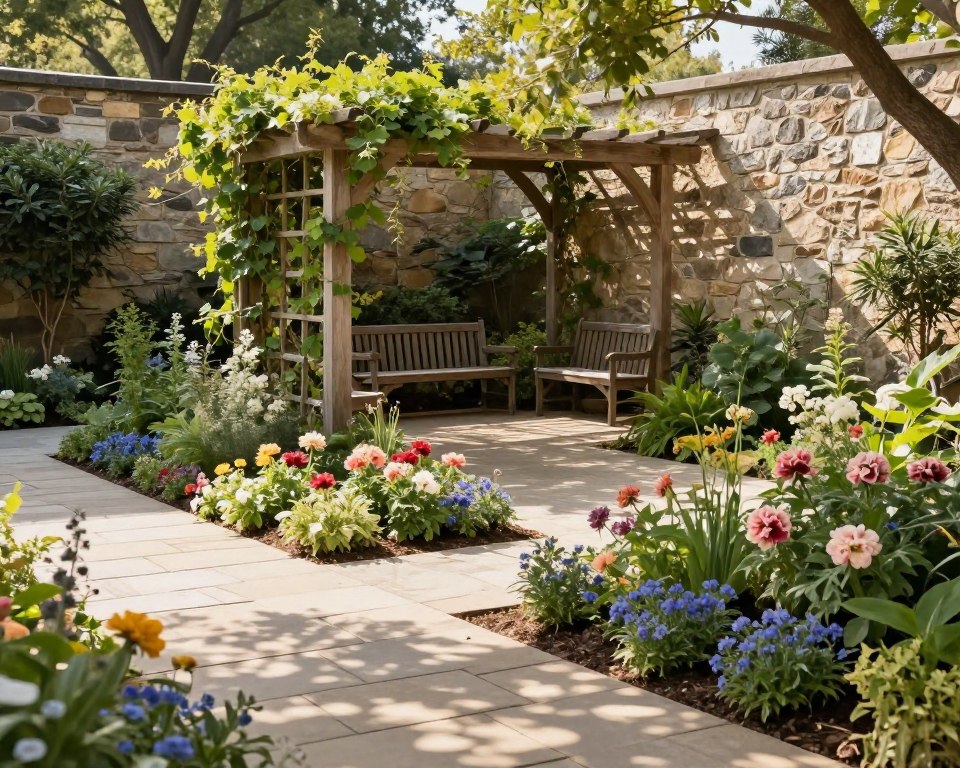
Paths and walkways make moving through your courtyard easy. Choose designs that encourage wandering and link garden areas. Curved paths are great for small spaces, making them seem bigger and more inviting. Add plants or decor around these paths to improve your garden’s look.
Adding Furniture and Fixtures
Choosing the right furniture can make your courtyard much more useful. Pick items that show off your style and fit the space well. Go for lightweight and movable pieces for easy changes. A couple of carefully chosen benches or tables can turn into perfect relaxation spots.
Water Features
Adding water features to your courtyard is key for a peaceful space. Water brings calm, turning your garden into a quiet retreat from daily noise.
Popular Types of Water Features
There are many kinds of water features to suit different preferences and areas. Favorites include:
- Fountains: These range from petite tabletop versions to grand floor fountains. They bring beauty and gentle sounds to your garden.
- Ponds: A beautiful pond can host water creatures and become a central attraction.
- Waterfalls: Mini waterfalls add magic, with their soothing water sounds creating a peaceful haven.
Maintaining Water Features
Keeping water features clean is crucial. Cleaning filters, clearing debris, and checking water levels help your garden stay inviting. This care stops algae from growing and keeps the water fresh.
Benefits of Adding Water Elements
Water features make your courtyard more appealing. They draw in wildlife, becoming a key part of your garden’s ecosystem. The sound of water flowing can deeply relax you, making it great for unwinding.
Incorporating Lighting
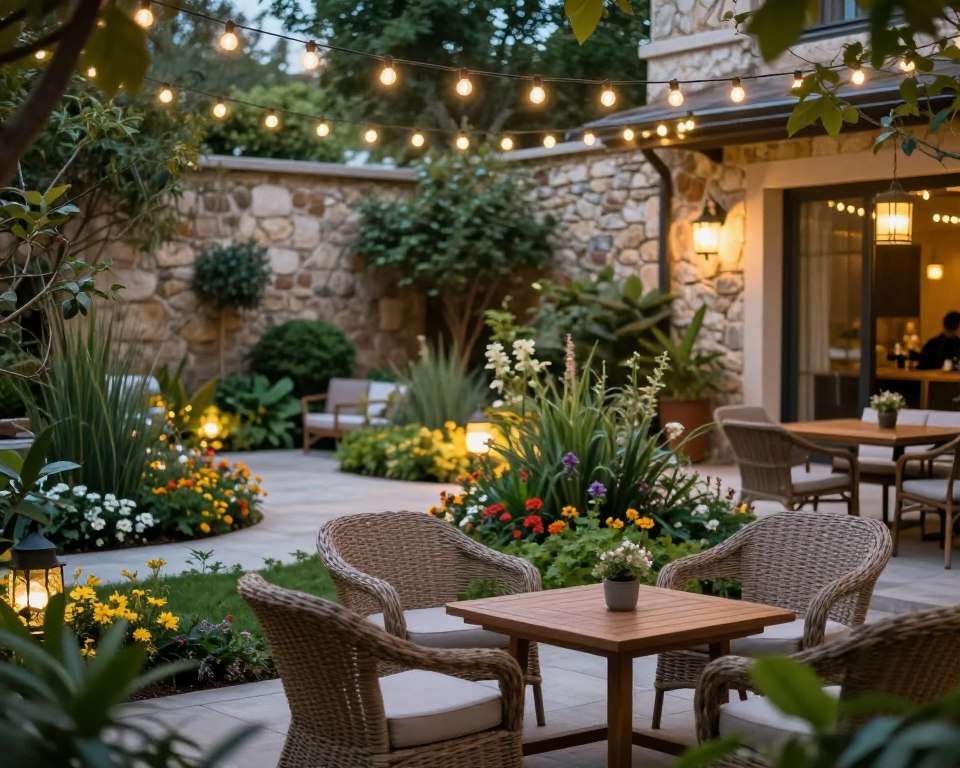
Lighting is key to making outdoor living spaces shine, especially in courtyards. By picking and setting up different lights, you can turn your garden into a cozy spot at night. We’ll explore various outdoor lighting choices, where to place them, and tips for creating a welcoming vibe.
Types of Outdoor Lighting
- String Lights: Perfect for hanging over places to sit or walkways.
- Lanterns: Portable and add a touch of charm, whether on tables or from hooks.
- Spotlights: Great for showing off garden details or certain plants.
- Pathway Lights: Keep walkways safe and add beauty to your garden.
Strategic Lighting Placement
Putting lights in the right places is crucial in garden design. Focus on spots that need to stand out, such as:
- By places to sit for a cozy atmosphere.
- On walkways to ensure people can see where they’re going.
- Around special plants or garden parts to draw attention.
Creating Ambiance with Lighting
Choosing the right lights can set a mood. Soft lights make a relaxed space perfect for nights with friends. Mixing different types of lights boosts this effect, inviting people in. Think about how bright and warm you want the lights, to make everyone feel at home.
Privacy Solutions
Creating a peaceful spot in your yard means finding good ways to keep it private. It’s nice to relax without feeling watched, especially in cities where yards are small. Using fences, bushes, and decorative panels makes your space private and beautiful.
Fencing and Walls
Fences and walls stop people from looking into your yard. You can pick from wood, stone, or vinyl options in many styles. The right choice adds beauty to your outdoor area. Strong fences also support climbing plants, making your yard green and private.
Using Hedges and Shrubs
Hedges and bushes are green barriers that make your garden look full. Evergreens keep your yard private all year. These plants soften hard edges and make your yard look deep. You can trim them or let them grow wild to suit your taste. Layering plants adds texture and beauty to your yard.
Decorative Screens
Decorative screens are both art and privacy tools. They come in many styles and materials, adding flair without giving up privacy. Use laser-cut patterns or trellises with vines. They let in light while keeping your space enclosed, perfect for a peaceful hideaway.
Color Schemes in Courtyard Design
A good color palette is key in modern courtyard design. It makes your garden look and feel better. By picking colors that go well together and fit the area around your garden, you create a welcoming space. In a small garden, the right colors can make it feel bigger and more connected.
Choosing a Color Palette
First, look at the colors you already have. Neutral shades can be calming, while bright colors add excitement. Mixing different shades of the same color keeps things interesting but not too busy. For example, combining soft greens with bold maroons can catch someone’s eye beautifully.
Color Combinations to Avoid
Some color pairs don’t work well together. Bright, neon colors can overshadow softer shades, ruining the peaceful feeling of your garden. It’s best to skip these harsh mixes. Comparing your colors to nature can help you pick ones that enhance your garden’s vibe.
Using Color to Create Depth
Using various colors and textures adds depth, making your courtyard look bigger. Mixing colors in plants, furniture, and materials can give your garden layers. Think about using dark colors on the ground and light colors above to make things seem taller. Smart color choices can turn a small garden into a cozy retreat.
Seasonal Considerations
Designing a courtyard garden means thinking about the seasons. Urban courtyard gardens look great all year if they have the right plants. These plants should look good and grow well in different seasons.
Designing for All Seasons
Use plants that bloom in spring, summer, fall, and winter to keep your garden interesting. A mix of colors for each season makes your garden more attractive. Combine perennials and annuals to get constant blooms.
Preparing for Winter
It’s crucial to protect delicate plants as winter comes. Fill your garden with plants that bloom in winter and evergreens. This way, your garden stays colorful and full of life, even when other plants sleep.
Seasonal Plant Changes
Changing plants with the seasons keeps your garden exciting. Start with early spring flowers, then add summer greens, and finish with fall colors. This approach adds depth to your garden and shows its energy.
Accessories and Decor
Adding decor to your courtyard garden makes it charming and appealing. A good choice of items shows your style and adds usefulness. The small size of courtyard landscaping is ideal for this. Think about using decor for a unified look that enhances your garden experience.
Choosing Garden Accessories
Choose garden accessories that are practical and look good. Decorative pots, planters, and outdoor rugs show your personality and are useful. Use items that last outdoors to add to your courtyard’s look. Pick pieces that fit your style and add color and texture to your space.
Incorporating Art and Sculpture
Art and sculptures add personality and can be the main attraction in your courtyard. Pick pieces that fit with your garden style and improve the setting. Whether fun or elegant, your choices can start conversations and earn admiration. Place them to attract attention and match with your garden ideas for a perfect look.
Utilizing Vertical Space for Decor
Using vertical space is key in a small courtyard landscaping project. Climbing plants, wall planters, and hanging decorations add interest and save space. Add trellises or wall art for a creative touch. This way, your garden not only looks more beautiful but also feels bigger.
Maintenance Tips for Courtyard Gardens
Maintaining a vibrant courtyard garden demands regular attention. This keeps its beauty and purpose alive. Tasks like watering, pruning, and adding nutrients to your plants are key. They keep your plants healthy and let you enjoy a peaceful outdoor space. Stick to a garden care plan to keep it looking great. Doing so improves your time spent in this peaceful home spot.
Regular Care and Upkeep
A well-kept garden needs consistent care. Make sure to check the soil and water as needed, especially when it’s hot. Pruning helps plants grow well and stops them from getting too crowded. Remember to feed your plants to help them do their best. Investing time in these steps ensures your garden remains a beautiful escape.
Dealing with Pests and Diseases
Pests and diseases can still attack, even in well-cared-for gardens. Look out for any signs of trouble often. Using natural ways to fight off pests, like bringing in helpful bugs, is a good move. When you see a problem, take care of it fast. This way, your garden stays a relaxing and lovely spot.
Seasonal Maintenance Checklist
Having a garden care schedule helps you not forget important tasks. Start by refreshing the mulch in spring and check how your plants are doing after winter. Getting ready for summer means making sure everything’s watered and pest-free. And when fall comes, clear out the leaves and prep your plants for the cold. A careful plan by season keeps your garden perfect and peaceful all year.




