ADVERTISEMENT
Did you know nearly 25% of all homes face foundation issues? This shows how key foundation planning is for your building’s stability and life. A strong foundation supports the structure and protects it from environmental damage. This part explores foundation stability, stressing the need for careful planning and how different factors affect your foundation’s strength.
By tackling common problems and sharing useful tips, you’ll learn how to avoid costly fixes later. This knowledge will help you keep your building’s foundation in top shape.
Key Takeaways
- Understanding common foundation issues helps in early detection.
- Planning ahead can save you from expensive repairs.
- Soil conditions significantly influence foundation stability.
- Following local building codes is essential for compliance.
- Drainage planning is key to avoiding water damage.
- Regular maintenance ensures long-term foundation performance.
Understanding Foundation Types
When planning a construction project, knowing the different foundation types is key. Each type is designed for specific needs, based on soil conditions and the structure’s load. Let’s look at some common foundation types and what makes them unique.
ADVERTISEMENT
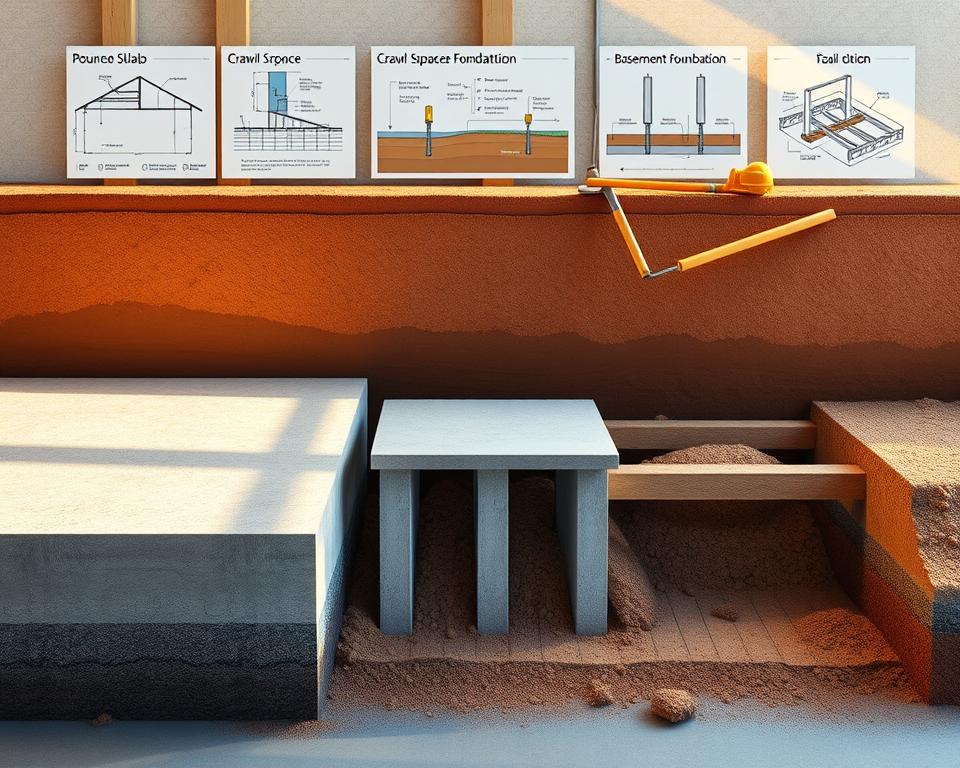
Common Foundation Types Explained
The main foundation types are:
- Shallow Foundations: Examples include slab foundations and continuous footings. These are best for lighter structures and are laid near the ground.
- Deep Foundations: Pile foundations and caissons are needed for heavy buildings or unstable soil. They go deep into the earth to find stable soil.
Pros and Cons of Each Type
Knowing the good and bad of each foundation type helps in designing well. Here’s a quick summary:
| Foundation Type | Pros | Cons |
|---|---|---|
| Shallow Foundations | Cost-effective, easier to install | Not good for heavy loads, can be affected by soil erosion |
| Deep Foundations | Supports heavy structures, works well in unstable soil | More expensive, harder to install |
Choosing the Right Foundation for Your Project
Picking the right foundation is vital for a successful project. Things like local soil, building size, and load matter a lot. Getting a professional to assess the site can help find the best foundation for your project. This increases the chances of a strong and successful build.
Key Factors in Foundation Design
When starting a foundation project, knowing key factors is important. Soil conditions, how much weight it can hold, and environmental impacts are key. Each one affects the foundation’s stability and how long it lasts.
Soil Conditions You Should Assess
It’s vital to understand the soil at your site. Soil tests help find out:
- Soil type (clay, sand, silt, etc.)
- Moisture content
- Densities and shear strength
These details affect how the foundation handles loads and weather changes.
Load-Bearing Capacity Considerations
The foundation’s ability to hold weight is critical. Engineers look at:
- Static loads (permanent loads like the structure’s weight)
- Dynamic loads (temporary loads from usage, wind, or seismic activity)
- Load distribution (how loads move through the structure)
These factors help ensure the foundation stays strong over time.
Climate and Environmental Impacts
Weather and environment can challenge any foundation. Designers must think about:
- Local weather patterns
- Flood risks
- Soil erosion possibility
Knowing these impacts helps build foundations that last, supporting solid planning.
Importance of Building Codes
Building codes are key for foundation construction. They set standards for depth, materials, and safety. Following local codes ensures safety and sustainability in buildings.
Understanding Local Regulations
Every area has its own building codes. These codes reflect local conditions and standards. Knowing them helps in planning foundations correctly. It also avoids legal problems from bad building practices.
How Codes Affect Foundation Planning
Foundation planning rules cover important details. They include load-bearing and soil assessments. Following these rules helps build strong foundations, keeping everyone safe.
Importance of Permits Before Construction
Getting the right permits is essential before starting foundation work. Permits show the project meets local codes. They protect developers and give peace of mind to future residents.
Planning for Drainage
Planning for drainage is key to a foundation’s long life and stability. Without good drainage, water can build up around structures. This can weaken the soil and cause problems like cracks or settling.
Using the right foundation drainage strategies can help avoid these issues.
Effective Drainage Solutions
Effective drainage solutions are vital for a secure foundation. Some good options include:
- French drains, which move water away from the foundation.
- Proper grading around the home to ensure water flows away.
- Maintaining gutters and downspouts to direct rainwater effectively.
These solutions can greatly help prevent water damage and keep the foundation strong.
How Improper Drainage Affects Foundations
Ignoring drainage can cause many foundation problems. Water near the foundation can:
- Cause soil erosion, undermining the foundation’s support.
- Create excessive pressure on foundation walls, leading to cracking.
- Result in moisture intrusion, promoting mold growth.
These issues can get worse fast, leading to expensive repairs and safety risks.
Techniques to Prevent Water Damage
To stop water damage, try these techniques:
- Soil compaction during construction to improve drainage and reduce settling.
- Utilizing appropriate landscaping to direct water runoff away from the foundation.
- Installing permeable pavers to reduce surface runoff in hardscape areas.
By using these methods, homeowners can improve their foundation’s drainage. This helps prevent water damage and keeps the structure stable over time.
Site Preparation Practices
Proper site preparation is key for any construction project. It ensures the land is clear and graded, creating a stable base. This stage is vital for a strong foundation that lasts.
Clearing and Grading the Land
Site preparation starts with clearing the land of plants, debris, and obstacles. This step makes way for foundation site grading, leveling the ground for a solid surface. A well-graded site also improves drainage, preventing water damage.
Compaction Techniques for Stability
After grading, using compaction techniques is essential for stability. Compaction makes the soil denser, improving its strength. This helps prevent settling and extends the foundation’s life.
Importance of Subsurface Testing
Before starting construction, subsurface testing is critical. It helps understand the soil’s composition and moisture. Knowing these details can reveal challenges that could affect the foundation’s strength.
| Site Preparation Step | Objective | Benefits |
|---|---|---|
| Clearing | Remove obstructions | Prepares stable ground |
| Grading | Level the ground | Ensures proper drainage |
| Compaction | Increase soil density | Minimize settling |
| Subsurface Testing | Assess soil properties | Identify possible risks |
Thorough site preparation is not just for a solid foundation. It also prevents future problems. By addressing these steps, you can have peace of mind and a reliable base for your project.
Working With Engineers
Working with structural engineers is key in planning your foundation. They make sure your design follows best practices and local codes. They check the site and loads, giving you solutions that fit your project.
The Role of Structural Engineers
Structural engineers are essential for a stable foundation. They use their knowledge to design foundations that can handle environmental stresses. They look at soil, loads, and more, giving you professional engineering guidance every step of the way.
Finding the Right Professional Help
Finding the right engineer is critical. Look for those with experience in foundation projects like yours. Check their credentials and reputation. Reading reviews and asking for recommendations can help you choose wisely.
When to Consult an Expert
Getting expert advice early can make planning easier. Engineers offer insights that can avoid problems later. Knowing when to get a structural engineer’s help is important. It helps spot and solve issues before construction starts.
Foundation Maintenance Tips
Keeping your foundation in good shape is key to your home’s stability and safety. Regular checks can help spot problems early. This way, you can fix small issues before they become big headaches.
Regular Inspections to Ensure Stability
Regular checks are important to catch problems early. Look for cracks, uneven floors, or moisture signs. These can mean there’s something wrong that needs fixing.
Being consistent with your checks is vital. A checklist can help you stay on track.
Signs of Foundation Problems to Watch For
- Cracks in walls or foundation
- Doors and windows that stick or do not close properly
- Uneven or sloped floors
- Moisture or mold in the basement or crawl space
Spotting these signs early can lead to quick fixes. Ignoring them can lead to costly repairs later. So, it’s smart to tackle any issues right away.
Solutions for Minor Issues
For small cracks or foundation shifts, there are easy fixes. Use the right sealants, make sure water doesn’t get to the foundation, and watch the soil moisture. These steps can keep your foundation in good shape and extend its life.
Budgeting for Your Foundation
Effective budgeting is key for any foundation project. It helps keep construction on track and avoids financial issues. Accurate cost estimation involves looking at all expected expenses, like materials, labor, and surprises.
Knowing these costs helps create a solid budget for your project.
Estimating Costs Accurately
Several factors affect foundation cost estimation. Here are a few:
- Material costs: Prices for concrete, rebar, and other materials vary a lot.
- Labor expenses: Skilled workers charge more, affecting your budget.
- Site preparation: Don’t overlook costs for clearing and preparing the site.
Getting quotes from different suppliers can improve your cost estimates.
Hidden Costs of Delaying Planning
Delays can lead to hidden expenses in foundation planning. These include:
- Higher labor costs from waiting.
- Price hikes for materials, increasing your budget.
- Extra costs for site cleanup or preparation if neglected.
Proactive planning can avoid these unexpected costs.
Saving Strategies for Foundation Projects
Smart saving strategies can make your project more affordable:
- Compare contractor quotes: Getting multiple bids can reveal better prices.
- Look into cheaper yet durable materials: This can save a lot of money.
- Check if your foundation plans are necessary: Avoiding unnecessary extras can save money.
The Role of Technology in Planning
Using the latest technology is key to success in foundation design. It makes the process easier and more precise. With tools like foundation planning software, engineers can create detailed designs that meet all rules.
Modern Tools for Foundation Design
Today, we have many modern tools for foundation design. Advanced software lets teams see different parts of a project. This helps avoid delays and saves money.
Benefits of 3D Modeling
3D modeling is a big plus in foundation planning. It gives clear views, helping spot problems early. It also makes teamwork better, leading to quicker decisions and solutions.
Software You Should Consider
There are many software options for foundation planning. Choosing good programs can greatly improve your project’s success. AutoCAD, Revit, and STADD Pro are popular for their unique features. They help teams design accurately and follow industry standards.
Case Studies of Successful Projects
Looking at foundation project case studies teaches us a lot. Many buildings, big and small, have one thing in common: a solid foundation plan. They use the latest engineering, do detailed site checks, and follow local building rules. This helps builders tackle their own foundation challenges more effectively.
Lessons from Notable Foundations
Good planning is essential for strong foundations. Builders have found ways to overcome tough soil and weather issues. They also know the value of getting experts involved early. This leads to foundations that last long.
How Good Planning Leads to Stability
Good planning makes foundations stable and prevents mistakes. Neglecting important details can cause big problems. By learning from others, builders can focus on drainage and soil analysis. This reduces the chance of future issues.
Common Mistakes to Avoid
Studying successful projects shows us what not to do. Builders often skip important checks or ignore rules. These mistakes can lead to expensive fixes or unsafe buildings. By knowing these pitfalls, builders can build stronger foundations.