

ADVERTISEMENT
Nearly 60% of homes in America have water damage because of bad foundation drainage. That’s a big number! Having a good drainage system is key. It keeps your home from water buildup, makes foundations waterproof, and stops big basement waterproofing costs. This guide will help homeowners and builders make a strong foundation drainage system. It will keep houses safe and last longer.
Choosing the right drainage and knowing your site can cut down on damage and wetness. Let’s dive into the best methods and plans to keep your house dry and secure.
Key Takeaways
- Foundation drainage systems are essential for protecting homes from water damage.
- Nearly 60% of homes face water-related challenges due to poor drainage.
- Effective waterproofing foundation strategies improve home longevity.
- Understanding site requirements is crucial in designing a drainage system.
- Proper installation minimizes risks of structural damage and moisture issues.
What is Foundation Drainage?
Foundation drainage includes methods and systems that keep groundwater from gathering near a building’s base. It’s vital for preventing water damage, which can be expensive to fix and cause health problems like mold. A sound waterproof foundation makes a structure more durable and keeps the home safe.
ADVERTISEMENT
Importance of Foundation Drainage
Good foundation drainage is key to keeping a building secure. It lowers the chances of water damage that can affect a home’s structure and looks. Without it, homeowners might face big problems, such as:
- Increased risk of mold and mildew growth.
- Soil erosion around the foundation.
- Water-related structural damage leading to costly repairs.
Overview of Drainage Systems
Different drainage systems are used to steer water away from a foundation. Each system has its benefits. Here are some common ones:
| Drainage System | Description | Benefits |
|---|---|---|
| French Drains | Underground perforated pipes that facilitate water movement away from the foundation. | Effective at managing both surface and groundwater. |
| Footing Drains | Installed at the base of the foundation walls to collect and channel subsurface water. | Helps in reducing hydrostatic pressure around the foundation. |
| Gravity Drains | Used to naturally direct water away from the home using gravity. | Cost-effective and requires minimal maintenance. |
These basement drainage solutions can be customized to address water issues for each property. Homeowners can choose the best option by looking at their site and water conditions.
Types of Foundation Drainage Systems
Foundation drainage systems are key to keeping a building solid. They manage water around and away from your foundation. Knowing the different types helps you choose the best one for your home. We will look into the main systems used, both inside and outside.
Interior Drainage Systems
Interior systems are put inside basement walls. They catch water that comes in and send it to a sump pump. They are great at keeping basements dry, offering a usable space. People like them because they are not seen and keep moisture in check well.
Exterior Drainage Systems
An outside system keeps water from pooling around your foundation. It uses sloped land and buried pipes to move water away. This keeps the foundation safe by preventing water from gathering near your home.
French Drains and Their Benefits
A French drain is a special outdoor system. It has pipes with holes wrapped in gravel to gather water well. This stops water from collecting around the foundation. It keeps your building stable over the years. A good French drain is a smart choice for keeping your home in shape.
Key Components of Foundation Drainage
A strong foundation drainage system has many parts that work together to keep your home safe from water damage. Knowing these parts is important to keep your foundation watertight. This protects your home for a long time and keeps it strong.
Weeping Tiles
Weeping tiles are special pipes that go around your foundation in gravel. They pick up ground water and move it away from the walls of your foundation. This helps avoid water build-up that can flood basements or wash away soil. The right setup of weeping tiles makes your drainage system work better.
Sump Pumps
Sump pumps are important for stopping water from getting into basements and crawl spaces. They sit in a pit and turn on by themselves to pump out water, helping to stop floods when it rains a lot. Sump pumps are key for keeping your foundation dry. It’s important to keep them in good shape so they’re ready when you need them.
Downspouts and Gutters
Downspouts and gutters are key for directing rainwater away from your house. When they’re working right, they move water away from the foundation and lower the chance of water damage. Keeping these systems clean and working well is very important for keeping your foundation dry. If you ignore them, your foundation could get damaged.
Common Foundation Drainage Issues
It’s vital to solve foundation drainage issues to keep your home safe. Knowing about common problems lets you act early. Let’s look at three major drainage issues that can affect your house.
Water Accumulation
Water pooling near your foundation is a big worry. This moisture can sneak inside, causing mold and mildew to grow. Such growth harms the health of people living there and can weaken your house’s structure. Using good basement drainage stops water from gathering and keeps the foundation dry.
Soil Erosion
Soil erosion is also a big threat to a stable foundation. If water doesn’t flow away correctly, it washes the soil around the foundation away. This makes the house unstable, which is risky. Checking things often and having a good drainage system helps avoid these issues.
Structural Damage
Structural damage shows up as cracks or shifting in the foundation. Moisture from standing water or erosion makes these problems worse. Keep an eye out for cracks or floors that aren’t level. Spotting these early can save you money on big repairs and keep your house solid.
| Issue | Cause | Prevention |
|---|---|---|
| Water Accumulation | Poor drainage systems | Install basement drainage solutions |
| Soil Erosion | Improper water flow | Regular maintenance of drainage systems |
| Structural Damage | Moisture exposure | Conduct routine assessments |
How to Assess Your Foundation Drainage Needs
Knowing when your foundation’s drainage needs a check can save you a lot of money later. Homeowners need to watch for signs like cracks in the foundation, damp spots on walls, and water gathering in the yard.
Signs Your Foundation Needs Attention
Finding signs of bad foundation drainage is important. Look for these warnings:
- Visible cracks in the foundation that can get worse over time.
- Damp patches in your basement or crawl space that suggest water is getting in.
- Water collecting near your foundation can lead to soil erosion.
Conducting a Drainage Assessment
Doing a good drainage check involves looking closely at your home’s surroundings. Things to look at include:
| Factor | Description |
|---|---|
| Slope of the land | Make sure the land slopes away from the foundation, so water goes the right way. |
| Soil type | Soils soak up water differently, which affects how well your yard drains. |
| Nearby water bodies | If you’re close to lakes or streams, you might get more water running off towards your home. |
| Existing drainage systems | Check how well your current drainage setup works when it rains a lot. |
Talking to experts can really help figure out what your property needs. They know how to stop soil erosion around your foundation. They give you advice you can trust to protect your home.
Designing a Foundation Drainage Plan
Making an effective foundation drainage plan involves looking at what’s unique about your location. Knowing how water acts around your foundation based on soil and the landscape is crucial. The weather and lay of the land also affect which drainage system works best for your house.
Considerations for Your Site
Before you start putting in a drainage system, think about a few important things:
- Soil Type: Knowing if your soil drains quickly or slowly helps plan for water flow away from your home.
- Landscape Features: The way your land slopes and plants around can change how water moves.
- Climate: The weather, like lots of rain or snow, decides what kind of drainage you need.
Choosing the Right System for Your Home
Once you’ve looked over your property, you get to pick from different drainage choices. There are indoor and outdoor systems, each with their benefits:
| Drainage Type | Benefits | Considerations |
|---|---|---|
| Interior Drainage | Great for basements; makes handling storms easier. | May need more upkeep. |
| Exterior Drainage | Stops water from piling up near the foundation. | Can be expensive because of digging. |
To make sure your home stays dry, your waterproofing methods should work well with your drainage. Talking to experts in drainage can help. They offer advice that’s just right for you, keeping your home safe from water problems.
Installation of Foundation Drainage Systems
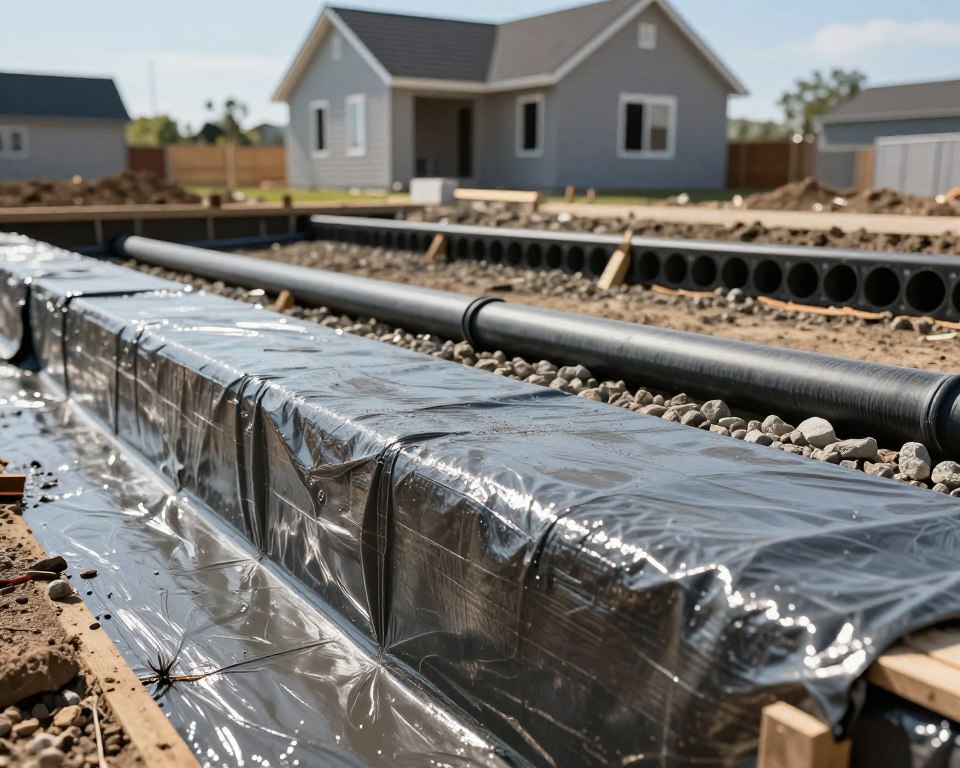
Homeowners often weigh their options when it comes to foundation drainage systems. Some consider doing it themselves to save money. Yet, knowing how to do it right is key. If not installed correctly, big problems could arise later. This is why many opt for professional help.
DIY vs. Professional Installation
Choosing DIY or professional help for foundation drainage can depend on your budget and know-how. DIY projects can be rewarding, but they’re not without risks. Professionals bring experience and expertise, ensuring jobs like french drain and drain tile installations meet building codes.
Step-by-Step Installation Guide
Putting in foundation drainage systems involves a few key steps. Here’s a quick look:
- Check soil types and weather conditions to figure out what you need.
- Dig out where the drainage system will go.
- Put in drain tiles at the right depth to catch extra water.
- Make sure the ground slopes at least 1/8 inch per foot away from the foundation.
- Fill the trench with gravel to help water flow to the drain tiles.
Effective drainage relies on good grading and careful planning. When installing french drains or drain tiles, make sure everything works together well. This avoids problems later on.
| Installation Method | Pros | Cons |
|---|---|---|
| DIY Installation | Cost saving, personal satisfaction | Risk of error, lack of expertise |
| Professional Installation | Expertise, compliance with regulations | Higher costs, reliance on others |
When picking how to install foundation drainage, think about your skills, budget, and situation specifics. Knowing each step helps ensure a dry, solid foundation.
Maintenance of Foundation Drainage Systems
Keeping your foundation drainage systems in good shape is key to avoiding water damage. You should check them regularly to catch any issues early. This way, you make sure everything that keeps your basement dry is working right.
Regular Inspections
It’s smart to inspect your system at least twice a year, especially before it starts raining a lot. Doing this helps you stop any drainage problems before they get worse. When inspecting, look out for:
- Clogs in gutters and downspouts
- Debris accumulation in drainage systems
- Proper functionality of sump pumps
Keeping an eye on these things helps avoid water from building up. This can prevent big problems for your house’s structure.
Cleaning Gutters and Drains
Clean gutters and drains are a must to keep your foundation drainage working well. Cleaning out leaves, sticks, and dirt stops blockages. This can keep water from going over the sides and harming your foundation. Clearing out messes is vital for keeping your basement dry and your home safe.
Costs Associated with Foundation Drainage
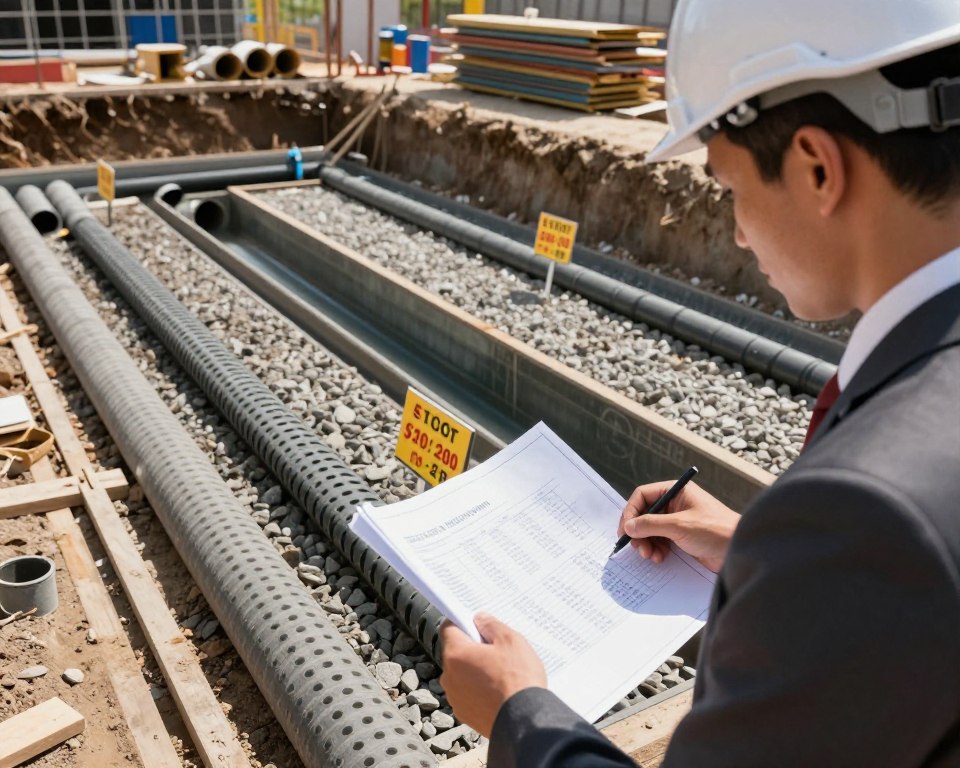
It’s very important for homeowners to know about foundation drainage costs. You need to think about the cost to put it in and the money needed to keep it up. The costs can change a lot depending on the system, how much people in your area charge for work, and the special needs of where you live.
Budgeting for Installation
Choosing the right drainage system is a big part of planning your budget. Installation prices can differ a lot. They range from interior to exterior systems, including French drains. Homeowners might pay from $1,500 to $5,000 on average for these systems. But, some top-quality systems could cost more than $10,000.
Remember to include money for workers, materials, and unexpected issues.
Long-Term Maintenance Costs
Keeping your drainage system working well means doing some upkeep every year. This includes cleaning gutters and drains, looking for blockages, and checking sump pumps. You might spend between $100 and $300 each year on this.
Since these systems can last over 10 years, it’s smart to plan for long-term costs. Save some of your budget for possible repairs or to replace parts. This helps keep your foundation safe.
| Cost Category | Estimated Cost Range |
|---|---|
| Initial Installation | $1,500 – $10,000 |
| Annual Maintenance | $100 – $300 |
| Potential Repair Costs | Varies; average $200 – $1,000 |
Foundation Drainage and Landscape Design
Proper landscape design is key for effective foundation drainage. It makes your property look good and work better. By planning a good landscape, you can keep water away from your home. This reduces soil erosion and improves water flow.
Integrating Drainage with Your Landscape
When you plan your garden, think about adding features that help keep your home dry. Here are a few tips:
- Create gentle slopes around your foundation to encourage water runoff.
- Install dry riverbeds or rain gardens to naturally manage excess water.
- Use retaining walls to stabilize soil and prevent erosion near drainage areas.
Plants to Avoid Near Foundation Drains
Choosing the right plants helps keep your foundation’s waterproofing intact. Avoid these plants:
- Deep-rooted trees that can disturb drainage pipes.
- Aggressive ground cover that may clog drainage systems.
- Ornamental grasses with invasive root systems.
Opt for shallow-rooted plants to absorb moisture safely. Smart landscaping can make your foundation’s drainage system last longer and enhance your yard’s beauty.
Legal and Compliance Aspects of Drainage Systems
Understanding foundation drainage laws is key for homeowners. They need to know local rules for building safe and green drainage systems. This can avoid big fines or legal issues later.
Local Building Codes
Building codes can be different depending on the place. They set the rules for drainage, like what materials to use and how to install them. It’s important for homeowners to check local rules to keep their homes safe and legal.
Permits and Regulations
Getting the right permits is the first step before starting drainage work. This usually means showing your plans and having inspectors check the work. Following these rules helps avoid legal trouble and makes sure drainage is done right.
| Aspect | Details |
|---|---|
| Local Codes | Specific requirements vary by location; check local guidelines. |
| Permit Necessity | Most installations require permits to ensure compliance. |
| Inspection Process | Inspections may be needed at various stages of installation. |
| Legal Risks | Improper installations can lead to fines and legal actions. |
Frequently Asked Questions about Foundation Drainage
Homeowners often ask about foundation drainage. Knowing how to tell if your foundation drainage works right is important. Look for a dry basement during rain, working sump pumps, and no water around your foundation.
Most foundation drainage systems last 30 to 50 years if they’re put in right and taken care of. But, it’s important to check on them and do regular upkeep. Doing this helps find problems early. That way, your foundation stays in good shape.




