ADVERTISEMENT
Did you know nearly 40% of food in the U.S. goes to waste? This fact shows we need to be more sustainable with our food. Edible landscape design is a smart way to mix beauty with usefulness. It turns regular yards into gardens that grow food. This idea helps with sustainable gardening, urban farming, and cuts down on buying food from stores.
Edible landscape design isn’t just for growing healthy food. It also brings people together. By using organic gardening methods, folks can make places that are pretty and produce good food. Sustainable gardening techniques help gardeners make spaces that look great and are useful, too.
Key Takeaways
- Edible landscape design integrates food production into ornamental gardening.
- It plays a crucial role in sustainable gardening practices.
- This approach supports urban farming initiatives.
- Organic landscaping techniques are central to creating productive ecosystems.
- Edible landscapes promote community ties and shared responsibility for food production.
What is Edible Landscape Design?
Edible landscape design combines beautiful gardens with growing food. It uses permaculture design principles. Together, food and decorative plants grow, making spaces both lovely and fruitful. The aim is a gorgeous place that feeds you and links you with nature.
ADVERTISEMENT
Definition and Concept
This gardening approach mixes food plants in everyday areas. It turns regular yards into edible gardens, keeping them pretty. Careful choice of plants makes your garden both useful and beautiful. It enhances the look and taste of home-cooked meals.
Benefits of Edible Landscaping
Edible gardens offer many perks. Here are some key ones:
- Enhanced Biodiversity: Different plants make a healthier ecosystem.
- Improved Soil Health: Variety in planting boosts soil nutrients.
- Reduced Food Miles: Growing food at home cuts down on carbon emissions.
- Community Engagement: It encourages neighborhood collaboration in food growing.
This approach doesn’t just give you fresh foods. It makes your surroundings lush, improving life and helping the planet.
The Importance of Sustainable Practices
Sustainable practices in edible landscaping help create strong environments. They make sure our ecosystems can thrive for a long time. By understanding their value, gardeners can choose wisely when planning their gardens.
Environmental Impact
Using organic methods in landscaping brings big wins for our air and fights pollution. It promotes a balanced ecosystem by reducing chemicals and making the soil healthier. These steps make gardens strong against pests and disease, cutting down on harmful products.
Promoting Biodiversity
It’s crucial to have many different plants in an edible garden. This variety helps local animals and insects, making their homes better. By choosing native plants, we help wildlife and make our gardens tough against hard times.
This way of gardening keeps the food chain in our yards healthy. It makes our garden spots rich with life, even in city settings.
| Benefit | Description |
|---|---|
| Improved Air Quality | Reduces pollutants through carbon absorption. |
| Enhanced Soil Health | Organic practices nourish the soil and promote beneficial bacteria. |
| Pest Resilience | A diverse plant palette reduces vulnerability to pests. |
| Habitat Creation | Supports local wildlife, beneficial insects, and pollinators. |
Choosing the Right Plants for Your Landscape
To pick the right edible plants, you need to know their needs and benefits. It’s also important to consider the season. This helps you decide what to plant and when. By understanding annuals and perennials, you can have a garden that’s beautiful all year.
Seasonal Selection Tips
When it comes to gardening, timing is key. Here are some tips for picking plants for each season:
- Spring: Start with early bloomers such as strawberries and lettuce, which can withstand cooler temperatures.
- Summer: Opt for vibrant annuals, like tomatoes and peppers, that require the warmth of the sun to promote growth.
- Fall: Add perennials, such as kale and brussels sprouts, which can develop better flavor after frost.
- Winter: Greenhouses can extend the season for growing hardy leafy greens like spinach and Swiss chard.
Perennial vs. Annual Plants
Knowing the difference between perennials and annuals is key for gardeners. Annuals brighten your garden and give food in one season. Perennials come back each year and usually need less care after they’re planted.
| Type | Characteristics | Examples |
|---|---|---|
| Annuals | Complete lifecycle in one season; often more vibrant | Tomatoes, basil, zucchini |
| Perennials | Return each year; typically require less care after initial planting | Asparagus, rhubarb, berry bushes |
Combining annuals and perennials makes your garden more interesting. This mix also helps with food production. Using seasonal gardening tips, your landscape can thrive all year.
Designing Your Edible Garden Layout
An effective edible garden layout boosts both looks and usefulness. To make a space that’s both pretty and useful, plan it with different zones for specific actions. These areas meet various needs.
Creating Functional Zones
Start your garden design by marking areas for your veggies, paths, and places to sit. This layout maximizes space and makes getting around and caring for the garden easier. By organizing zones, you make the garden more enjoyable. Each area has its special role, like:
- Vegetable Beds: Use structured rows or raised beds for your edibles.
- Pathways: Have clear paths to move easily between areas.
- Seating Areas: Set up cozy spots for hangouts, placed to view the garden’s beauty.
Incorporating Aesthetics and Usability
Mix beauty and function by adding features that look great and are useful. Use focal points, like vertical gardens or pretty fences, to attract attention. They make the garden lively. Try these ideas:
- Use borders to clearly separate different areas.
- Grow edible plants that are also decorative.
- Make space for plants to grow up, not out. It adds interest and saves ground space.
Soil Preparation and Maintenance
Making a great edible garden starts with preparing the soil well. Knowing your soil’s condition is key, as it affects how plants grow and produce. By checking your soil’s health often, you can find out what nutrients or pH adjustments it needs. Using organic gardening ways can really boost your soil’s health and fertility.
Testing Soil Health
It’s important to test your soil often to garden well. Soil tests tell you about nutrients and harmful stuff, so you can fix problems. You can get help from local farm experts or use kits to test at home. When testing, look at these things:
- Nutrient levels (nitrogen, phosphorus, potassium)
- Soil pH
- Organic matter content
With soil test results, you can make your soil better for your plants. This helps your garden be strong in the long run.
Building Healthy Soil with Compost
Composting is key to improving your soil. Adding organic stuff to your garden helps good bugs that help plants grow. A good compost pile turns waste into great soil amendments. When starting compost, think about including:
- Kitchen scraps (fruits and vegetables)
- Yard waste (leaves, grass clippings, small branches)
- Brown materials (cardboard, paper, straw)
Using organic fertilizers and plants that cover the ground can also up nutrients and make soil better. Regularly using these compost methods makes plants healthy. It also helps a lot with organic gardening.
Watering Techniques for Edible Gardens
Watering right is key to a healthy edible garden. It keeps plants alive and saves water too. Using green gardening methods gives plants what they need and protects the planet.
Importance of Irrigation
Irrigation is vital for edible plants to grow well. Without enough water, plants get stressed. This means less produce and flavor. Knowing when and how to water is key to a great garden. It helps to know what each plant needs. This way, you can water them just right, no matter the weather.
Eco-Friendly Water Solutions
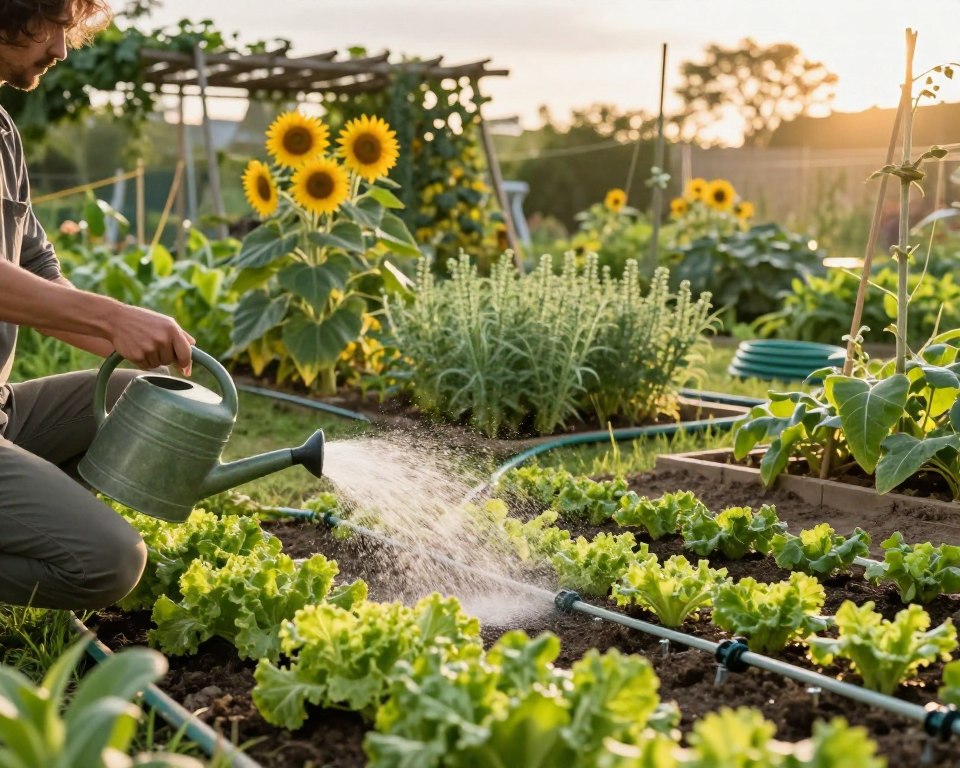
Going green with your garden means saving more water. Using rain barrels and drip irrigation helps a lot. Rain barrels collect rain for later, and drip systems water plants at their roots. This cuts down on water loss. Adding mulch keeps the soil wet longer, and watering deeply helps too. These steps make your garden and the earth happier.
| Watering Technique | Benefits | Suitable For |
|---|---|---|
| Drip Irrigation | Efficient water use, delivers moisture directly to roots | Vegetable beds, fruit trees |
| Rainwater Harvesting | Reduces water bills, eco-friendly | All garden types |
| Hand Watering | Allows for close inspection of plants, targeted watering | Small gardens, container plants |
| Soaker Hoses | Even distribution of water, reduces evaporation | Flower beds, row crops |
Companion Planting Strategies
Companion planting is a powerful gardening technique. It uses different plants together to boost growth, flavor, and control pests. This method builds good relationships between plants, making gardens more productive and tough.
Enhancing Growth and Flavor
Growing plants together helps all of them thrive. For example, tomatoes and basil help each other grow better. Basil’s smell also makes tomatoes tastier and more plentiful.
Preventing Pests Naturally
Companion planting provides natural pest control as well. Some plants release substances that keep bugs away without using chemicals. Marigolds, for instance, protect veggies by keeping pests out and drawing in good bugs. This creates a healthier space for all your plants.
Pest Management in Edible Landscapes
Managing pests in your garden can be rewarding. By using effective tactics, you protect your plants and guarantee a plentiful harvest. Organic methods are key to a well-balanced garden. They reduce the need for harmful chemicals and help your garden thrive naturally.
Organic Solutions to Common Pests
Using organic approaches means you avoid harsh chemicals. Here are some ways to tackle pests:
- Plant barriers like nets or row covers keep pests away from your crops.
- Trap setups can catch and get rid of unwanted bugs.
- Natural repellents, such as neem oil or insecticidal soaps, ward off pests without harming the planet.
- Checking your plants often helps spot pests early, so you can deal with them quickly.
The Role of Beneficial Insects
Welcoming helpful bugs into your garden can boost your pest control efforts. Important friends include:
- Ladybugs, which love eating aphids.
- Lacewings, predators of many pest insects.
- Parasitic wasps go after caterpillars and other destructive insects.
By knowing how these insects help, you can make your garden welcoming for them. This supports a balanced ecosystem. It also makes your gardening more eco-friendly.
| Organic Solution | Benefits | Common Pests Targeted |
|---|---|---|
| Neem Oil | Natural pesticide; promotes plant health | Aphids, spider mites |
| Insecticidal Soap | Effective against soft-bodied insects; safe for plants | Aphids, whiteflies |
| Beneficial Insects | Natural predators; promotes biodiversity | Aphids, caterpillars, thrips |
Harvesting and Using Your Edibles
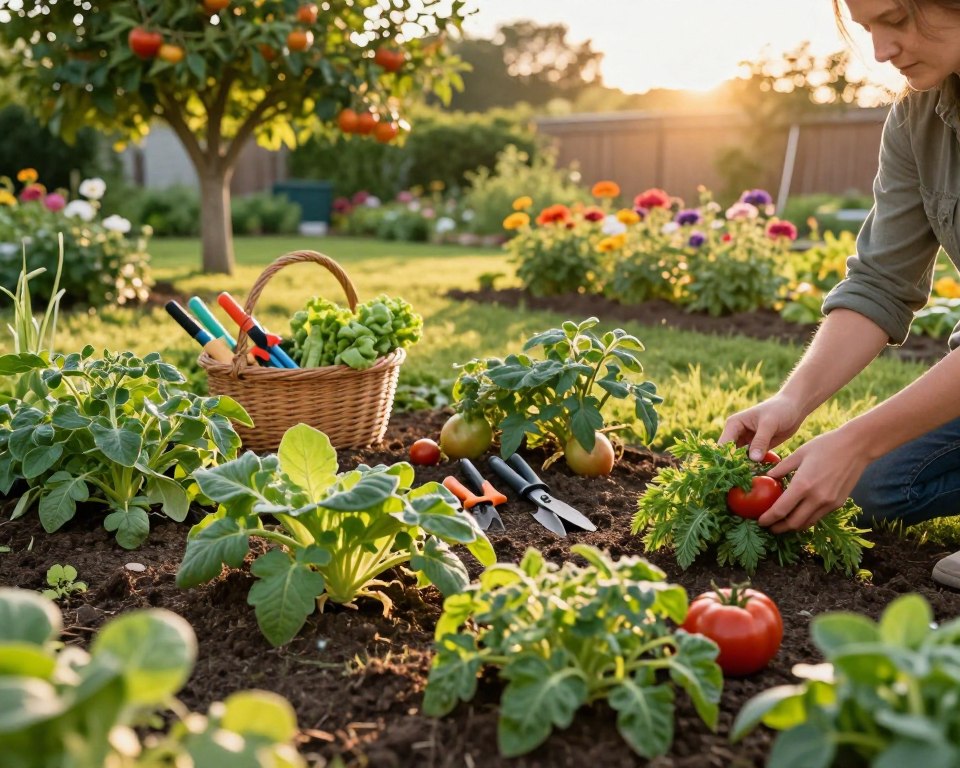
Picking your edible plants at the right time can make them taste better and be healthier. It’s important to know when and how to pick each plant to get the most out of your garden. Different fruits and veggies need to be picked at certain times to taste good and be high quality.
By learning the best ways to harvest, you can get more from your garden.
Timing Your Harvest for Peak Flavor
To get the best flavor, look for signs that your food is ready to pick. Leafy greens taste best when they are soft and not fully grown. But root vegetables need more time in the ground to get sweet. Picking too soon or too late can make your food not taste good.
Keep a close eye on your plants and learn when they grow best. This will help you use your edible plants in the best way.
Creative Recipes for Fresh Produce
After picking your food, you can have fun cooking in the kitchen. Try new ways to cook your fresh veggies and fruits. You can make fresh salads, hearty soups, or tasty fruit preserves.
Look for new recipes that use what’s in season. You can make simple sides or fancy main dishes with what you grow.
Innovations in Edible Landscape Design
Urban agriculture is growing thanks to new gardening methods for small spaces. Vertical gardening is a key method, helping city folks grow edible plants in tiny areas. These innovations make home gardening easy and sustainable.
Vertical Gardening
Vertical gardening uses walls, trellises, and planters to grow food. It’s perfect for those with little outdoor space. Growing plants up can save space and make urban areas look better. Herbs, strawberries, and tomatoes do well in vertical gardens.
Hydroponics in Urban Environments
Hydroponics is a revolutionary way to grow plants in water with nutrients, skipping soil. It lets people grow food in cities, fighting food scarcity with less space. These systems also let us grow food all year, no matter the season.
| Gardening Method | Space Requirement | Typical Crops | Initial Setup Cost |
|---|---|---|---|
| Vertical Gardening | Low | Herbs, Strawberries, Peppers | Medium |
| Hydroponics | Very Low | Lettuce, Tomatoes, Spinach | High |
These new gardening ways improve urban food growing and are better for the planet. By using vertical gardening and hydroponics, city dwellers can enjoy fresh food and nature at home.
Community and Collaborative Gardening
Community gardens do more than make areas green. They are perfect for urban farming together, helping people join for a shared purpose. In these gardens, neighbors grow more than plants; they build lasting relationships. This strengthens the community feeling in their area.
Building Neighborhood Connections
Community gardens bring neighbors together. They share stories and tips while gardening. This teamwork can turn into deep friendships, making the community stronger. These gardens become places where people meet and bond, welcoming everyone.
The Benefits of Shared Spaces
Gardening with others has many advantages. It means more fresh veggies and learning about eco-friendly gardening. People feel they contribute to their area’s beauty and health. These gardens show the power of working together for a better community.
Future Trends in Edible Landscaping
Looking into the future, edible landscaping combines tech with a new view on where our food comes from. Tools such as soil sensors and automated watering systems are changing the game. They make gardening more productive and easier for everyone, helping our planet and communities.
Technology and Smart Gardening
Urban farming is evolving with smart gardening. Devices that check soil moisture and weather conditions assist in using less water. Plus, they ensure plants grow well with little hassle. This tech use in cities makes growing food efficient and kinder to the environment.
Shifting Cultural Perspectives on Food Production
People are starting to think differently about how we produce food, driven by worries about safety and sustainability. There’s a moving trend towards local food, knowing the harm of long transport. This change encourages communities to grow their own food. It brings people together and helps protect our local nature.