ADVERTISEMENT
Did you know prefab systems can cut construction time by 25-40%? As the need for quick building grows, industries are adopting new modular solutions. These allow parts to be made offsite and put together fast on-site.
This method makes building faster and keeps quality high. It’s great for homes, offices, and even data centers. Knowing about prefab systems is key to keeping up in today’s fast construction world.
Key Takeaways
- Prefab systems can drastically shorten construction timelines.
- They emphasize offsite fabrication, boosting efficiency.
- Modular construction solutions fit many industries.
- Quality standards are kept up, even with fast assembly.
- They give a competitive edge in modern building.
What are Prefab Structural Design Systems?
Prefab structural design systems are a new way to build that’s all about being quick and precise. They use offsite construction to make parts in a factory before putting them together on-site. This makes building faster and better.
ADVERTISEMENT
Definition and Key Concepts
Prefab systems aim to make building more efficient with modular construction. They use factory-made parts for quicker assembly and meet strict engineering standards. Advanced software helps design these systems, making the whole process smoother.
Types of Prefab Systems
There are many prefab systems, each designed for different needs. The main types are:
- Panelized Systems: These include pre-made wall and roof panels made of different materials.
- Modular Systems: These are whole units or rooms built in a factory and then put together on-site.
- Hybrid Constructions: This mix of old and new building methods uses the best of both.
Each type uses structural engineering software to ensure they work well in different situations. This makes them good for many projects.
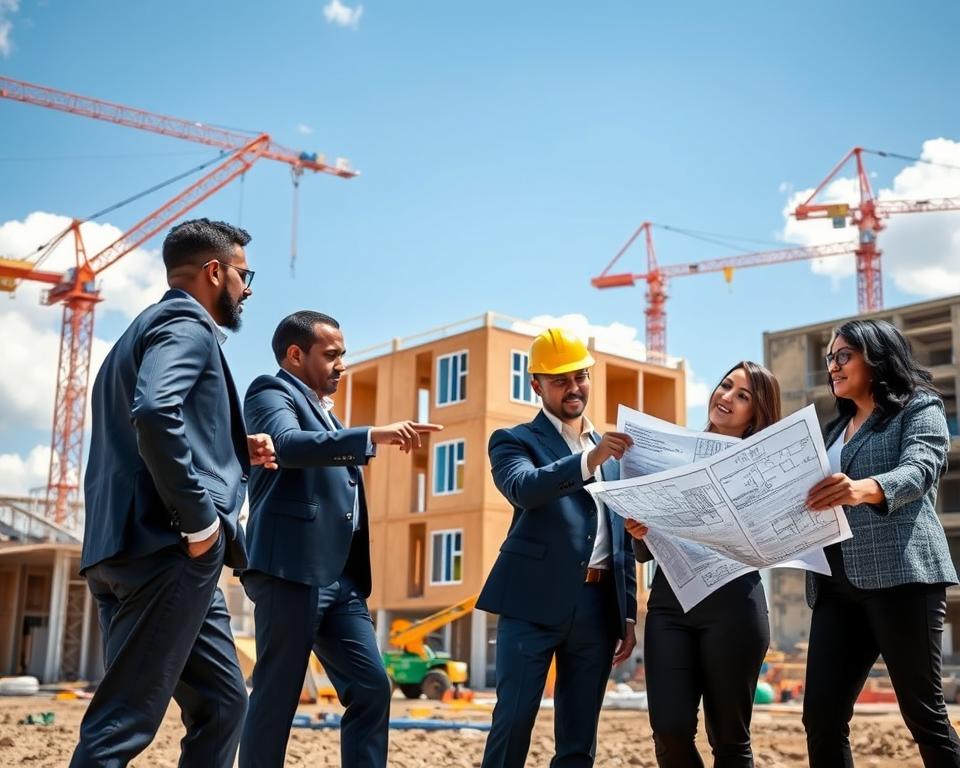
Benefits of Using Prefab Systems
Prefabricated systems have changed the way we build. They offer many benefits for builders and the planet. This method makes projects faster, cheaper, and more eco-friendly. It helps create efficient buildings that meet today’s needs.
Speed of Construction
One big plus of prefab systems is how fast they build. Parts made elsewhere can be put together quickly on-site. This means projects are done sooner, saving time and money.
Cost-Effectiveness
Another great thing about prefabs is saving money. They need less labor and are made more efficiently. This means lower costs for everyone involved, making prefabs a smart choice for many projects.
Environmental Impact
Prefab construction also helps the environment. It uses less waste and energy, making it more eco-friendly. By using recycled materials and green practices, it promotes sustainable building. Studies show prefabs can cut down on waste and energy, showing they’re good for the planet.
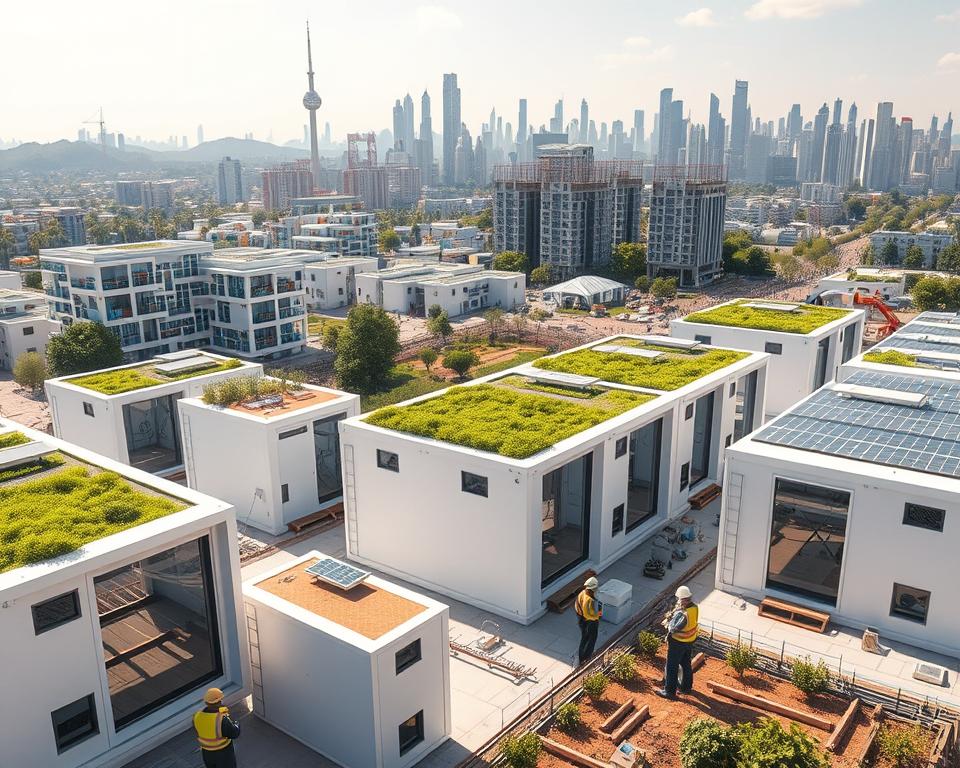
Popular Prefab Materials
In prefab construction, picking the right materials is key. Steel, wood, and concrete lead the way. Each has its own strengths, thanks to new building tech. Knowing these materials helps make smart choices for building systems.
Steel
Steel is known for its strength and durability. It’s a top pick for big buildings like skyscrapers and warehouses. Its design flexibility and strength make it versatile. Steel works well with new building tech to improve building parts.
Wood
Wood has been used in building for ages. It’s natural and easy to work with. New engineered wood products offer better strength. Wood is great for homes, adding warmth and saving energy. New tech makes wood work well in prefab buildings too.
Concrete
Concrete is a favorite for commercial buildings. It’s strong and fire-resistant. New concrete types, like pre-cast, show its promise. With new tech, concrete parts can be put together fast, speeding up projects.
Design Flexibility in Prefab Construction
Design flexibility is key in prefab construction. It makes projects efficient and tailored to client needs. Architects use planning and innovation to improve looks and keep buildings strong.
Customization Options
Prefab systems have many customization options. Architects and clients can create unique spaces together. This lets them choose designs, colors, and finishes that match their style or brand.
This flexibility adds special touches to prefab buildings. It makes them stand out without losing quality.
Modular Design Principles
Modular design is exciting in prefab. Architects use standard units to create many designs. This approach helps solve space problems and meets zoning rules.
Modular buildings fit well in different places. They meet top industry standards while being unique.
Applications of Prefab Structural Design
Prefab structural design is changing many fields, showing its flexibility and speed. It’s used in many areas, helping solve today’s big challenges. This part talks about how prefab is changing homes, offices, and factories.
Residential Projects
In the housing world, prefab is helping solve the shortage of homes. Tall buildings made with prefab parts can go up fast. This helps cities grow and meet the need for homes.
These systems also make homes cheaper and faster to build. This means more people can afford good homes in cities.
Commercial Buildings
Offsite construction is great for business spaces too. It lets buildings go up quickly, with little trouble. This is good for places like restaurants, offices, and shops.
Prefab designs can be made to fit exactly what a business needs. This helps businesses stay efficient and meet changing customer needs.
Industrial Facilities
The industrial world is also using prefab, like for fast data centers. Offsite building is quick and keeps quality high. It’s perfect for companies that need to grow fast.
Factories and logistics use prefab for its ability to grow and stay safe. It helps them meet their needs without trouble.
| Sector | Key Advantages | Examples of Use |
|---|---|---|
| Residential | Quick assembly, cost-effective solutions | Multi-story housing developments |
| Commercial | Flexible designs, minimal disruption | Office spaces, retail establishments |
| Industrial | Rapid deployment, adaptability | Data centers, warehouses |
The Role of Technology in Prefab Design
Technology plays a key role in improving prefab design. Modern software tools make the process more efficient and accurate. Building Information Modeling (BIM) for prefabrication is a top choice. It helps architects and engineers see projects in detail.
This technology makes teamwork better. It also helps spot problems early on.
Software and Design Tools
Software tools are vital for designing prefab projects. Building Information Modeling (BIM) for prefabrication gives deep insights into structures and materials. It uses 3D models to let teams check and change designs easily.
Automation and Robotics
Automation and robotics are changing prefab manufacturing. They make production more precise and faster. Machines reduce errors and help meet deadlines.
As robotics get better, they will play even bigger roles in prefab design. This will lead to new ways of building.
Challenges in Prefab Structural Design
Prefab construction offers many benefits but also faces big challenges. One major issue is getting the prefabricated parts to the site on time. These parts are often big and heavy, making shipping tricky.
Site preparation must match the factory-built parts perfectly. This ensures quick assembly and avoids delays.
Transportation Issues
Shipping prefab parts is not easy. They are often huge and heavy, needing special care during transport. Any problems with delivery can mess up the project schedule.
Site Preparation
Getting prefab structures to work right depends on site prep. If the site doesn’t match the prefab parts, it can cause problems. It’s important to have accurate measurements and a solid foundation for the parts to fit well.
Local Regulations
Following local building codes adds to the complexity. Different areas have different rules, making prefab construction tricky. It’s key to know and follow these rules to avoid delays or extra costs.
Key Players in the Prefab Industry
The prefab industry is always changing. It has leading companies and new startups that shape modular construction. These companies are always looking to meet new needs and bring new ideas to the table.
Leading Companies
Factory OS and Katerra are leading the way. They show how prefab can change the way we build. Their work combines efficiency with green practices, showing prefab’s big promise.
Innovations by Startups
New startups are bringing fresh ideas to prefab. They focus on new technologies and designs. This helps make prefab more accessible and customizable, without sacrificing quality.
| Company | Specialization | Notable Innovation |
|---|---|---|
| Factory OS | Affordable housing solutions | Modular apartments produced with precision |
| Katerra | Commercial construction | Integrated supply chain technology |
| ICON | 3D printed homes | Rapid construction techniques for affordability |
| Plant Prefab | Sustainable building | Utilization of eco-friendly materials |
Environmental Considerations
The construction industry is changing, with a big focus on the environment. Prefab systems play a key role in making buildings more eco-friendly. They use green materials and energy-saving methods.
Sustainability Practices
Sustainable modular construction uses renewable resources and eco-friendly methods. Buildings are made to use less energy and last longer. This includes using local materials and recycled content.
Waste Reduction Strategies
Reducing waste is important in modular construction. Design and planning help cut down on extra materials. This makes job sites cleaner and reduces waste.
Lean manufacturing also helps by focusing on efficiency and accuracy. This approach is popular with those who want eco-friendly buildings. It’s helping sustainable modular construction grow.
Future Trends in Prefab Construction
The future of prefab construction looks promising. It’s thanks to smart building technology. This tech adds advanced systems like IoT devices and energy-saving solutions to buildings.
These smart buildings use resources better. They work more efficiently and make living spaces better.
Smart Building Technology
Smart building tech is changing construction. It uses sensors and analytics in prefab buildings. This lets people track energy use, temperature, and how many people are there.
This tech helps create buildings that are good for the planet. They also save money on bills for the people who live there.
Integration with Traditional Methods
Now, prefab construction is mixing with old-school building ways. This creates hybrid models. They mix the look and strength of traditional buildings with prefab’s speed and efficiency.
This meets different tastes in architecture. It also answers the need for quick and effective building solutions.
Tips for Choosing a Prefab System
Choosing a prefab system requires careful thought. Start by understanding what you need. Several key factors will help you make the right choice.
Assessing Your Needs
Take a moment to think about what your project really needs. Important things to consider include:
- Project Scope: Know the size and scale of your project.
- Budget: Set a budget to find options that fit.
- Location: Think about the site conditions that might affect your choice.
Comparing Options
After figuring out what you need, it’s time to compare prefab systems. Look at different materials, designs, and manufacturers. Make a comparison of:
| Factor | Option A | Option B |
|---|---|---|
| Material | Wood | Steel |
| Cost | $200,000 | $250,000 |
| Durability | Good | Excellent |
| Design Flexibility | High | Moderate |
Talking to prefab experts can help you make a smart choice. Taking your time will lead to a prefab system that works well for your project.
Case Studies: Successful Prefab Projects
Looking into prefab success stories, we find valuable lessons in modular construction. The Union project in Oakland, California, is a great example. It’s a six-story residential building that shows how fast and efficient prefab can be. It’s a solution to urban housing shortages.
From The Union and other projects, we learn the importance of teamwork. Design teams and contractors must work together well. This way, they can overcome challenges and make prefab work better. It leads to faster and cheaper construction.
These examples teach us about the need for flexible designs. They must fit the site and meet local rules. As prefab grows, knowing these lessons will help make future projects successful.