ADVERTISEMENT
Did you know a well-designed garden can boost your property’s value by up to 20%? Homeowners are looking for peace in busy lives, and minimal garden layouts are the answer. These designs focus on simplicity and function, making outdoor spaces both beautiful and useful.
By removing unnecessary items, these layouts create calm spaces where nature and design meet. This blend of simplicity and beauty is perfect for those who want a serene outdoor area.
Key Takeaways
- Minimal garden layouts focus on simplicity and functionality.
- Designing a clean outdoor space can enhance property value significantly.
- Thoughtful minimalism allows for serene outdoor living environments.
- Contemporary garden layouts prioritize aesthetics and practical use.
- Effective minimalist landscape design promotes stress relief and relaxation.
What is a Minimal Garden Layout?
Creating a minimal garden layout is all about simplicity and function. It means removing things we don’t need to make a calm space. This design encourages peace and mindfulness in our outdoor areas.
ADVERTISEMENT
Defining Minimalism in Garden Design
Minimalism in garden design focuses on what’s truly important. It values simplicity and shows off nature’s beauty. Gardens with simple plants and structures follow these minimalism principles.
Key Principles of Minimalism
- Functionality: Each part must have a purpose, like a place to sit or a path.
- Open Space: Having lots of open areas lets our eyes rest and enjoy the view.
- Natural Beauty: Using natural shapes and lines adds beauty without being too much.
Minimalist gardens use few plant types arranged well. This creates a unified look and cuts down on upkeep. It’s a smart choice for those who want beauty without the hassle.
Benefits of Minimal Garden Layouts
Minimal garden layouts offer many benefits for homeowners. They are simple yet elegant, making outdoor spaces beautiful and practical. These designs improve both looks and use.
Easy Maintenance
One big plus of minimal gardens is how easy they are to care for. With fewer plants and a simple design, upkeep is a breeze. Busy people can have a lovely garden without spending hours on it.
These gardens need less watering, pruning, and weeding. This makes caring for them a joy, not a chore.
Enhanced Aesthetics
Minimal gardens are all about beauty. They use clean lines and a single color scheme to create a peaceful look. The choice of plants and materials highlights the garden’s features.
Homeowners love how these gardens make their outdoor spaces look stylish and welcoming.
Increased Outdoor Space Functionality
Minimal gardens also make outdoor spaces more useful. They are perfect for relaxing, entertaining, or playing. The open design lets you use every inch for something fun.
These gardens are great for hosting gatherings or finding a quiet spot. They add value to your home and improve your life.
| Benefit | Description |
|---|---|
| Easy Maintenance | Less plant diversity and straightforward design result in minimal upkeep. |
| Enhanced Aesthetics | Focus on clean lines and cohesive color schemes creates a tranquil environment. |
| Increased Functionality | Layouts encourage multiple uses, promoting relaxation and social activities. |
Essential Elements of Minimal Garden Design
Creating a minimal garden needs careful attention to several key areas. Each part must work together smoothly for a unified design. Key elements include the choice of plants, hardscaping, and furniture selection. These aspects not only improve the look but also make the garden easy to care for.
Choice of Plants
When picking plants for a minimal garden, choose simple and elegant species. Go for plants that need little care and fit your local climate. Succulents, ornamental grasses, or native plants are great. They add structure and texture without taking over the space.
Use of Hardscaping
Hardscaping is vital in minimal garden design. Features like pathways, patios, or walls help define areas and give a clear layout. Pick materials that match your garden’s style, like natural stone or concrete. These elements add interest and make the garden easier to move around in.
Furniture Selection
Choosing the right furniture is key to keeping the minimalist look. Opt for pieces that are both useful and stylish, like sleek benches or modular seating. Make sure the furniture fits well with the garden’s design without clashing. Furniture that serves more than one purpose also helps keep the space uncluttered.
Popular Minimal Garden Styles
There are three main styles in minimal gardens: Japanese Zen, Scandinavian, and modern linear. Each style focuses on simplicity. They create peaceful spaces for relaxation and reflection.
Japanese Zen Gardens
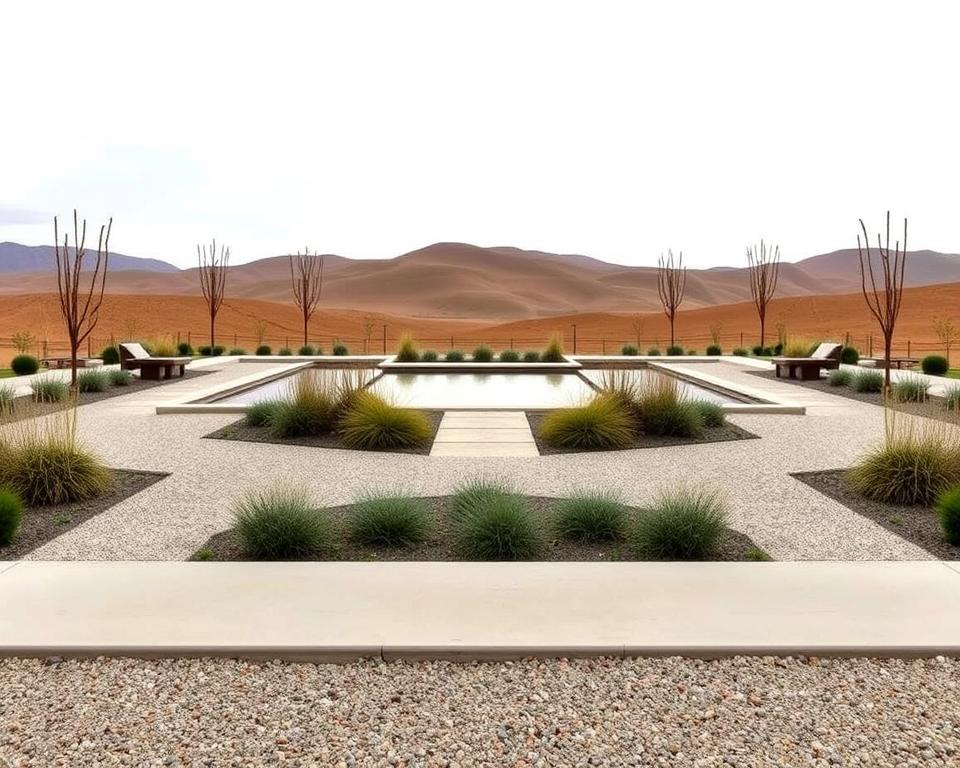
Japanese Zen gardens are all about calm. They use rocks, gravel, and straight lines to show nature’s beauty. A few plants and stones add to the beauty, blending nature and art.
These gardens make you feel peaceful. They are key in minimal garden design.
Scandinavian Influence
Scandinavian design is simple and useful. It has clean lines and one color. It uses native plants in shapes.
These gardens need little care. They show respect for nature and look good. Furniture like benches makes them even better for outdoor living.
Modern Linear Gardens
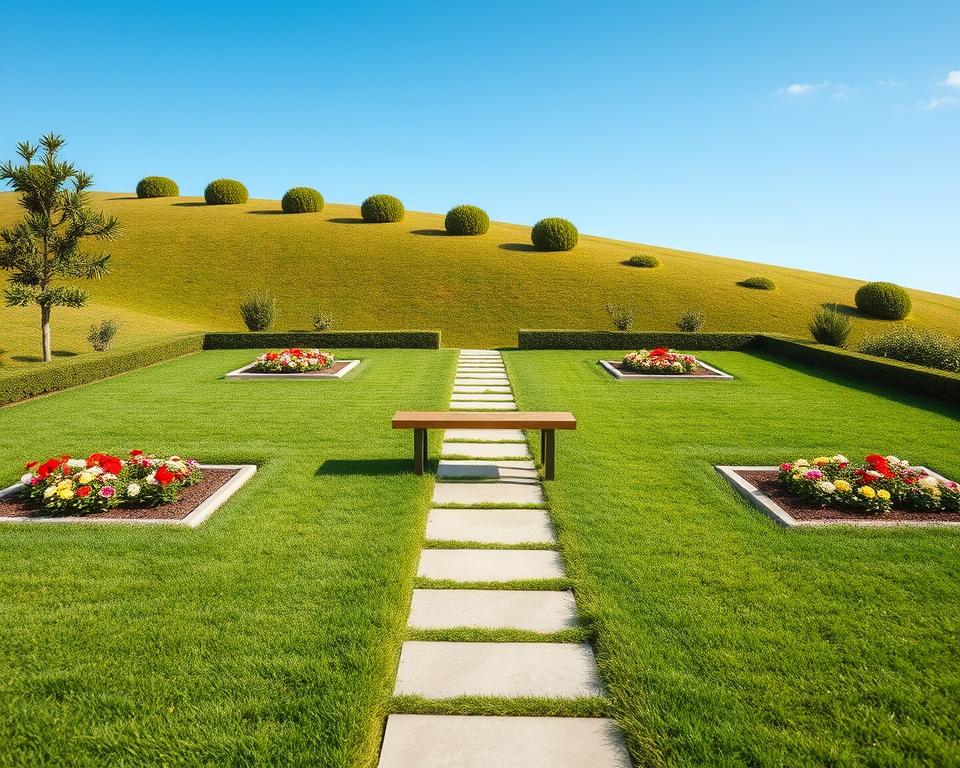
Modern linear gardens use straight lines and plants in order. They are great for small spaces. Symmetry makes them welcoming.
They organize plants and paths well. This turns small areas into nice places to relax.
Designing with Space in Mind
Turning small outdoor spaces into functional and beautiful areas is possible. Designing small gardens needs creativity and practical ideas. Using vertical gardening and modular furniture makes the space feel open and welcoming.
Small Garden Solutions
Improving small garden areas is easy with smart solutions. Vertical gardening adds greenery without taking up much space. Modular furniture offers flexible seating that can be easily rearranged.
Open Space Approaches
Open space design brings a sense of calm and space. Adding lawns or planters makes the area feel bigger. By choosing the right plant heights and arranging them well, you create depth. This design encourages exploration and showcases each element’s beauty.
Color Palettes for Minimalist Gardens
Choosing the right colors is key for a peaceful minimalist garden. Different shades can make the garden look better without clutter. Neutral colors are important, as they create a calm background. This lets other elements stand out without fighting for attention.
Neutral Tones
Neutral colors like whites, grays, and earthy tones are the base of a minimalist garden. They bring peace and make the space feel open. A mostly neutral color scheme keeps the garden feeling airy and simple. Here’s why:
- Calmness: Neutral colors create a soothing atmosphere.
- Flexibility: They work well with many plants and features.
- Cohesion: A consistent color scheme improves the garden’s look.
Incorporating Pops of Color
Neutral colors keep things calm, but adding pops of color brings life. Placing colorful plants or accessories among neutral areas creates eye-catching spots. Here’s how to add color:
- Seasonal Blooms: Pick plants that bloom at different times for constant beauty.
- Colorful Containers: Bright pots can pop against a neutral background.
- Textured Accents: Vibrant outdoor decor can highlight simple designs.
Using color in minimalist garden design keeps things simple but allows for creativity. Mixing neutral tones with pops of color keeps gardens interesting and engaging.
| Color Type | Description | Examples |
|---|---|---|
| Neutral Tones | Calming shades that promote tranquility | Whites, Grays, Beiges |
| Pops of Color | Vibrant accents that add visual interest | Reds, Yellows, Greens |
| Earthy Tones | Natural hues that blend with outdoor elements | Olive Greens, Terracotta, Browns |
The Role of Textures in Minimal Gardens
Textures in gardens add life to simple designs, making them more interesting. They keep the look clean and simple. Choosing the right hardscape materials and layering plant textures is key. This way, your garden becomes a peaceful place.
Selecting Hardscape Materials
Choosing the right hardscape materials is important for a harmonious garden. Options like smooth stones and rough concrete add contrast and character. They serve both practical and decorative purposes, making your garden stand out.
Layering Plant Textures
Layering different plant textures is also vital. Mixing plants with various textures, like spiky succulents with smooth leaves, creates engaging visuals. This approach keeps the garden simple yet rich in beauty, appealing to the senses.
Sustainable Practices in Minimal Garden Layouts
Sustainable gardening is key in today’s garden designs. Using native plants makes gardens vibrant and strong. These plants need less water and care, perfect for simple gardens.
By choosing simple gardening methods, we create eco-friendly spaces. These spaces follow the minimalist way of life.
Native Plant Selection
Native plants make gardens beautiful and help local ecosystems. They fit the local climate well, using less water and needing fewer chemicals. Here’s why native plants are great for your garden:
- Lower water requirements: Native plants often need less irrigation.
- Reduced maintenance: They adapt effortlessly to their surroundings.
- Support for wildlife: Native flora provides habitat and food for local pollinators.
Water Conservation Techniques
Conserving water in gardens is vital for sustainable gardening. Using smart irrigation saves water and fits the minimalist style. Here are some good methods:
| Technique | Description | Benefits |
|---|---|---|
| Rain Gardens | A garden designed to absorb rainwater runoff. | Reduces flood risk and promotes natural filtration. |
| Drip Irrigation | A precise watering system that delivers water directly to the roots. | Minimizes water waste and ensures efficient moisture delivery. |
| Xeriscaping | A landscaping method that reduces the need for irrigation. | Utilizes drought-tolerant plants and efficient designs. |
Creating Focal Points
Creating focal points in gardens is key to minimalist design. Elements placed with care enhance the look and guide visitors. Sculptural elements and reflective surfaces make for a beautiful outdoor space.
Sculptural Elements
Sculptural elements can turn a garden into a work of art. They range from sculptures to unique planters. It’s vital to pick items that match the minimalist style but add detail.
Materials like stone, metal, and ceramic are durable and look polished.
- Choose pieces that reflect personal style while maintaining the minimalist approach.
- Consider the scale of the sculptures; they should fit the overall dimensions of the garden.
- Integrate varying heights to create visual interest across the garden.
Reflective Surfaces
Reflective surfaces add depth and perspective to gardens. Mirrors, water features, and glossy tiles make small gardens seem bigger. They enhance the look and create a calm atmosphere with light and reflection.
- Incorporate water features that reflect garden surroundings, such as ponds or fountains.
- Place mirrors strategically to bounce light and draw attention to beautiful plantings.
- Use shiny surfaces sparingly to avoid overwhelming the minimalist design.
By carefully adding these focal points, gardens become welcoming spaces. Sculptural elements and reflective surfaces add personality to minimal designs. They make the garden experience more enjoyable.
Common Mistakes to Avoid
Creating a minimalist garden needs careful planning and thought. Some common mistakes can ruin the simple beauty of your outdoor space. Knowing these mistakes, like overcrowding and ignoring scale, is key to a peaceful and beautiful garden.
Overcrowding the Space
It’s important to avoid overcrowded gardens to keep the minimalist look. Too many plants or decorations can cause chaos. Choose a few key pieces that show your vision and give each one space to shine.
This way, each element looks its best and the garden feels balanced.
Ignoring Scale and Proportion
Scale and proportion are critical in gardening. Big furniture or plants can overwhelm a small area, causing imbalance. On the other hand, small elements might get lost and lose their impact.
Make sure to check the size of every element. This ensures they work well together and create harmony.
Tips for Implementing Minimal Garden Layout Concepts
Creating a beautiful minimal garden starts with careful planning and sketching. This first step helps you see your ideas come to life. It also lets you pick the right elements that fit with minimalist style.
Having a detailed plan is key. It lets you try new things and keeps your garden organized. This way, your garden can grow and change with you.
Using an iterative design approach is also important. It means you can change your ideas as you go along. Gardening is a journey, and being open to change makes your garden better over time.
By planning and sketching your garden, and being open to change, you’ll create a space that’s both beautiful and peaceful. This is the heart of minimalism.