

ADVERTISEMENT
Did you know nearly 30% of American homeowners spend over 10 hours a week on garden upkeep? This shows a big problem: many people get overwhelmed by traditional garden care. But, low maintenance garden design offers a great fix. It lets you create beautiful outdoor spaces that need little care.
Low maintenance garden design is all about picking the right plants and planning smart layouts. It also includes using hardscaping to make your garden look great without all the work. Imagine having a peaceful outdoor space where you can relax and enjoy nature without the hassle of constant upkeep!
Key Takeaways
- Low maintenance garden design reduces the time spent on upkeep.
- Choosing drought-resistant and native plants enhances adaptability.
- Effective layouts can simplify garden management.
- Incorporating hardscaping features minimizes maintenance needs.
- Seasonal preparations can streamline care throughout the year.
Understanding Low Maintenance Gardening
Low maintenance gardening makes your outdoor space look great without needing lots of work. It’s about using smart gardening tips to cut down on effort. This way, you can enjoy your garden more, not just work in it.
ADVERTISEMENT
What Is Low Maintenance Gardening?
This style of gardening is all about plants and designs that need less care. It includes using plants that don’t need much water and designs that are easy to maintain. Choosing plants that are tough and can handle local weather is key. This way, your garden stays beautiful without needing too much care.
Benefits of Low Maintenance Design
Choosing low maintenance gardening has many benefits. Some of these are:
- More free time to relax and enjoy your garden.
- Lower water consumption, which is good for the planet and saves money.
- A more eco-friendly way to landscape your yard.
With these perks, you can love your garden without the worry of constant upkeep.
Key Principles of Low Maintenance Garden Design
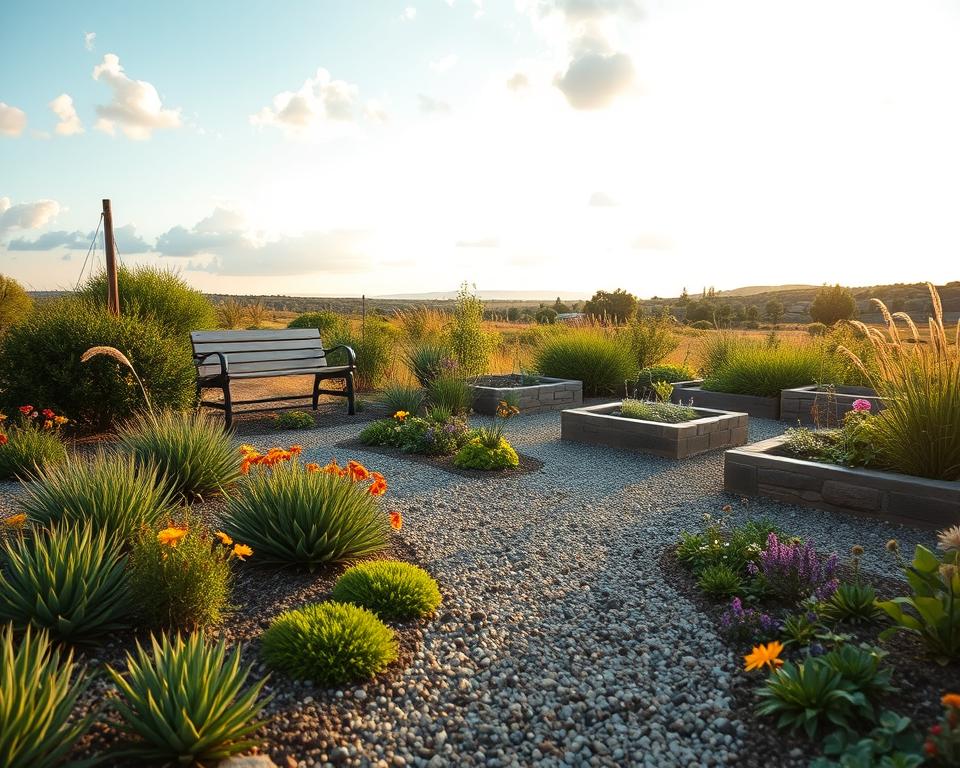
Creating a low maintenance garden is easier than you think. Focus on beauty and less work. Choose the right plants and keep landscaping simple to enjoy your outdoor space.
Choose the Right Plants
Plants that love your local weather need less care. Pick drought-resistant ones to save on water. Native plants fit your soil and climate, making your garden sustainable.
Choosing the right plants is key. A well-planned garden grows well with little effort.
Simplify Landscaping Features
Big planting areas and hardscaping need less care. Grouping plants cuts down on weeding and watering. Ground cover plants add beauty and fight weeds.
Choose features that work well with your garden. Each part should have a purpose in your low maintenance garden.
| Plant Type | Benefits | Maintenance Level |
|---|---|---|
| Drought-Resistant | Low water needs | Low |
| Native Plants | Local adaptability | Low to Moderate |
| Perennials | Return year after year | Moderate |
| Ground Covers | Weed suppression | Low |
Selecting the Right Plants for Your Garden
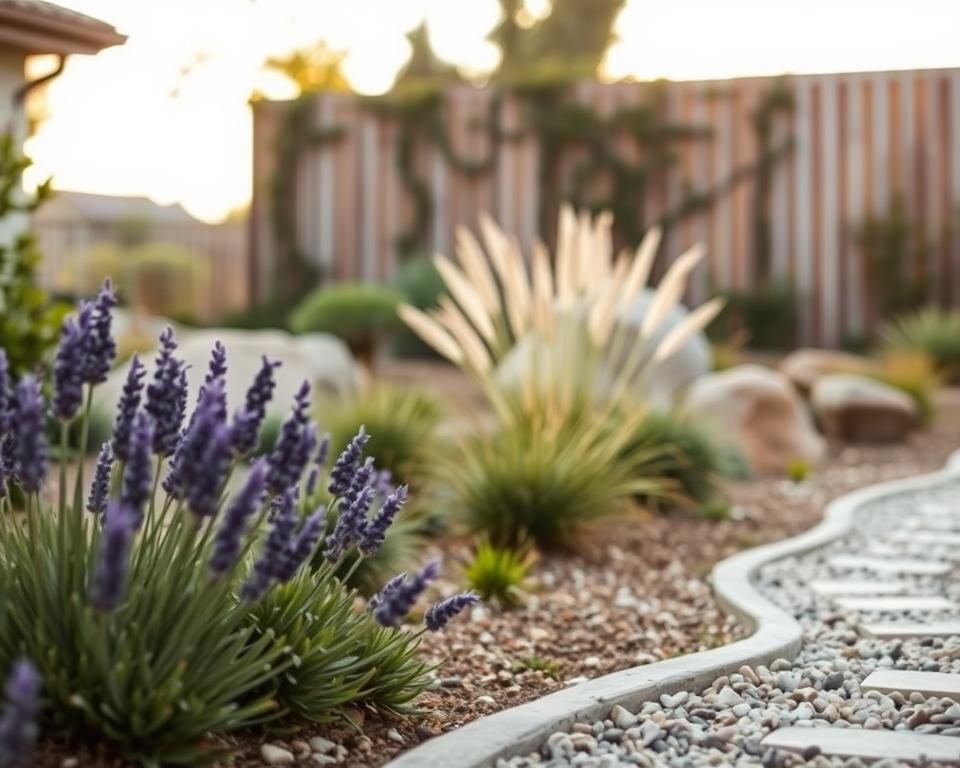
Choosing the right plants is key to a thriving garden that needs little care. Pick drought-resistant plants that do well in your area’s climate. This means you won’t have to water them as often. Adding native plants makes your garden even more adaptable and resilient.
Drought-Resistant Varieties
Drought-resistant plants are perfect for a garden that’s easy to maintain. They use less water and save you time on watering. Plants like sedum, lavender, and succulents are great. They need little care but add color and texture to your garden.
Native Plants for Local Adaptability
Native plants are a top tip for a low-maintenance garden. They grow well in your area’s soil and weather, needing less fertilizer and water. They also attract local wildlife, boosting your garden’s biodiversity. Try coneflowers, black-eyed Susans, and bee balm for a beautiful, easy-to-care-for garden.
Perennial vs. Annual Plants
Perennials are the better choice for a low-maintenance garden. They come back every year, saving you from replanting. Annuals may add color quickly but need replanting each season, which is more work. Choose perennials like hostas, daylilies, and ornamental grasses for a less demanding gardening routine.
Designing Your Layout for Efficiency
Creating a garden layout focused on efficiency can make your outdoor spaces easier to maintain. By adding elements like patios, pathways, and gravel beds, you reduce the need for mowing and watering. This approach makes your space both easy to care for and visually appealing.
Using Hardscaping to Reduce Upkeep
Hardscaping adds beauty and practicality to your garden. Materials like stone, brick, or concrete can replace grass, saving on water and upkeep. Features like benches or decorative rocks add function and beauty. Imagine enjoying coffee on a patio with stones, not trimming the lawn on weekends.
Creating Zones for Different Activities
Designing different zones in your garden makes it more functional. You can have areas for relaxing, dining, or playing. For example, a cozy spot with furniture is great for unwinding, while a dining area is perfect for guests. This way, each area has its purpose without cluttering the space.
Soil Preparation for Easy Care
To have a thriving garden with less effort, preparing the soil well is key. By improving soil quality and ensuring good drainage, your plants will grow better. This makes gardening easier and keeps your plants healthy.
Soil Quality and Drainage Tips
Soil that’s well-aerated and full of nutrients helps plants grow strong. Here are some tips to make your soil better and drain water well:
- Test soil pH: This tells you what your soil needs to support plant growth.
- Add organic matter: Using compost or manure makes the soil richer and more structured.
- Improve drainage: If your soil holds too much water, add sand or grit to help it drain better.
Mulching Benefits for Moisture Retention
Mulching is a smart way to keep the soil moist and offers many other benefits. It makes gardening simpler:
- Moisture conservation: Mulch stops water from evaporating, keeping the soil moist.
- Weed suppression: A thick layer of mulch stops weeds from growing, saving you time on weeding.
- Soil temperature regulation: Mulch keeps the soil temperature steady, protecting roots from extreme weather.
| Benefit | Description | Impact on Maintenance |
|---|---|---|
| Moisture Retention | Reduces evaporation from the soil surface | Less frequent watering required |
| Weed Control | Blocks sunlight from reaching weed seeds | Decreases weeding time |
| Soil Structure | Enhances soil health as it breaks down | Improves overall garden condition |
Watering Techniques for Less Work
Smart watering techniques can make garden care easier. By using effective methods, your plants get the water they need without too much work. Two great ways are drip irrigation systems and rainwater harvesting. Both fit well with easy gardening tips and help your garden look good with less effort.
Installing Drip Irrigation Systems
Drip irrigation systems send water straight to your plants’ roots. This cuts down on water lost to evaporation and runoff. A good system can run on its own, saving you time and making sure your plants are happy. When setting up a drip system, think about:
- Watering schedules that match the seasons.
- Adjustable emitters for different plants.
- Timers for easy, automated watering.
Rainwater Harvesting Ideas
Collecting rainwater is a smart and cheap way to water your garden. It means you use less water from the city. Here’s why it’s good:
- It saves money on your water bill.
- It’s a natural way to water your plants.
- It helps keep local waterways clean.
These watering methods save water and make your garden easier to care for. Adding them to your garden design means you can enjoy your outdoor space with less work.
Best Materials for Low Maintenance Gardens
Choosing the right materials is key for a garden that needs little care. Durable hardscaping options make your garden last longer and look better. Ideas for low maintenance gardens mean you spend less time fixing and replacing things.
Durable Hardscape Options
Stone, concrete, and pavers are great for paths and patios. They can handle the weather and need little upkeep. For example, natural stone looks classic, and concrete can be shaped in many ways. It’s both durable and versatile.
Adding textured surfaces can make your garden both useful and beautiful.
Choosing Eco-Friendly Materials
Using eco-friendly materials makes your garden better for the planet and looks good too. Options like recycled pavers, sustainable wood, and permeable paving manage water well. These choices help your garden be kind to nature and easy to care for.
Seasonal Maintenance Tips for Your Garden
Keeping your garden looking great all year takes a little work. But it’s not hard. By doing simple tasks, you can keep your garden beautiful with just a bit of time each week.
Spring Cleanup Made Simple
When spring arrives, your garden needs a little wake-up call. Here are some easy steps to get your garden ready for the new season:
- Clear away any debris or fallen leaves from the winter months.
- Check for any dead plants and replace them with hardy, drought-resistant options.
- Prepare your soil by adding compost to enhance its quality.
- Consider mulching around plants to maintain moisture levels.
Fall Preparation Strategies
Fall is a key time to get your garden ready for winter. Here are some tips to help you prepare:
- Add mulch to protect the roots of plants and minimize frost damage.
- Trim back perennials to encourage healthy growth in the spring.
- Clean up any fallen leaves to prevent pests from overwintering.
- Consider planting cover crops to enrich the soil over winter.
Creative Low Maintenance Features
Adding new features to your garden can make it easier to care for and more beautiful. Raised garden beds and xeriscaping are great options. They help create spaces that need little upkeep.
Raised Garden Beds for Easing Care
Raised garden beds have many benefits. They make it easier to reach plants without bending too much. This is great for people with mobility issues.
These beds also help with drainage. This means plants get the right amount of water without getting too wet. Using good materials, raised beds can last for years, making your garden easier to maintain.
Xeriscaping for Minimal Water Usage
Xeriscaping uses plants that don’t need much water. This makes your garden look good while saving water. It’s a smart choice for those who want a beautiful garden without a lot of work.
This method also helps the environment. It’s perfect for anyone who wants to enjoy their outdoor space without the hassle of regular gardening.
Resources for Designing Your Low Maintenance Garden
Creating a low maintenance garden is easier with the right tools. There’s a lot of information out there to help you start. You can find books and online guides full of tips for a beautiful garden that’s easy to care for.
Books and Online Guides
Many books focus on low maintenance gardening. “The Year-Round Vegetable Gardener” by Niki Jabbour and “The Edible Landscape” by Eric Toensmeier are great examples. They show how to make gardens that are sustainable and simple to manage.
Online, you can find websites and forums with lots of garden advice. Experienced gardeners share their knowledge on these platforms. They can help you choose plants that need less care and suggest creative garden layouts.
Professional Landscape Designers
Hiring a professional landscape designer can elevate your garden. They create a garden plan that fits your needs and preferences. They know which plants work best and how to design efficiently.
With their help, you can have the garden of your dreams. It will be beautiful and require little upkeep. Their expertise combined with your passion can make it happen.




