

ADVERTISEMENT
Did you know that nearly 80% of buildings in the United States are over 20 years old? As these structures age, their strength can weaken. This makes it urgent to use effective structural reinforcement methods.
These engineering practices are key to making buildings stronger, more durable, and safer. They are very important in areas that often face natural disasters. By using different construction stability methods, we can keep our buildings strong and safe. This protects lives and investments for years to come.
Key Takeaways
- Structural reinforcement is vital for maintaining the integrity of aging buildings.
- Effective building support systems can enhance safety and durability.
- Modern construction stability methods address specific structural risks.
- Regular assessments are key for the best reinforcement practices.
- Geographic location can influence the choice of reinforcement techniques.
1. Understanding Structural Reinforcement
Structural reinforcement uses many techniques to make buildings stronger and last longer. These methods help buildings stand up to weather and natural disasters like earthquakes. They make existing structures more durable.
ADVERTISEMENT
What is Structural Reinforcement?
Structural reinforcement is about making buildings stronger. It involves adding materials or changing designs to boost a building’s strength. This helps buildings resist forces that could harm them.
Importance of Structural Integrity
Structural integrity is very important. It keeps buildings safe and healthy, not just when they’re first built. Good structural integrity solutions reduce risks to people and property. They also make buildings last longer, saving money in the long run.
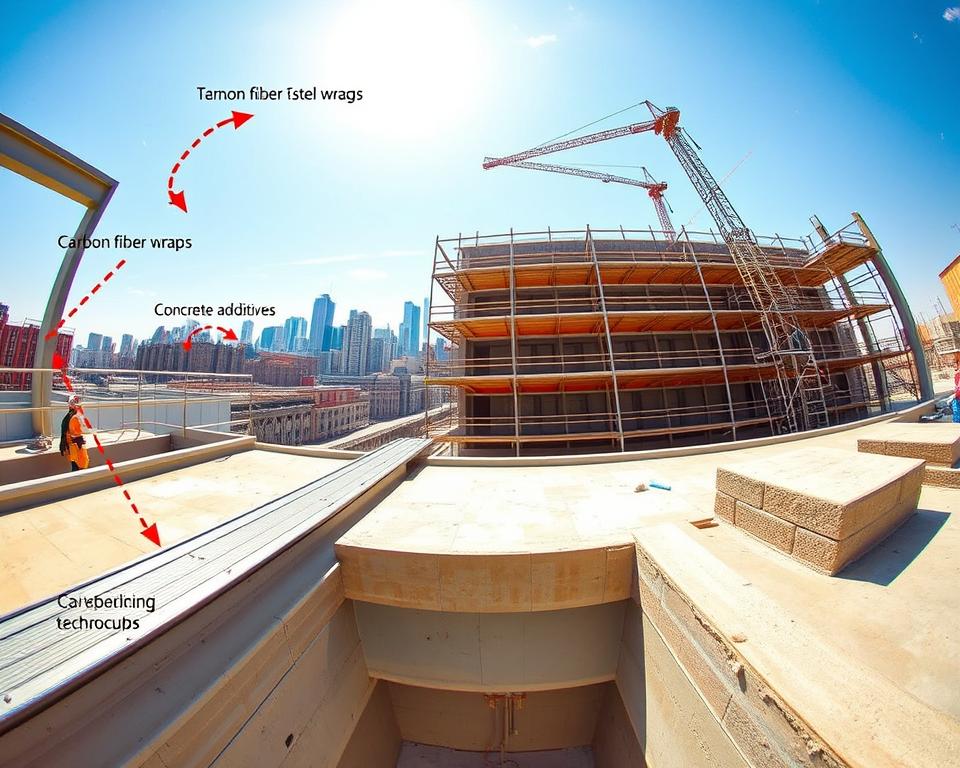
| Method | Benefits | Application |
|---|---|---|
| Steel Bracing | Increased lateral stability | High-rise buildings |
| Carbon Fiber Reinforcement | Lightweight and durable | Bridges, retrofitting |
| Shotcrete | Effective for uneven surfaces | Tunnels, slopes |
| Post-tensioning | Higher load capacity | Concrete slabs |
2. Types of Structural Reinforcement Methods
Structural reinforcement comes in two main types: traditional and modern. Each type has its own ways to make a building stronger and more stable. Knowing these methods is key for fixing foundations and keeping buildings stable.
Traditional Methods
Traditional methods have been around for a long time. They use materials and techniques that have proven to work well for decades. These include:
- Steel reinforcement bars (rebar): A common choice for reinforcing concrete, rebar provides tensile strength, which is essential for structural integrity.
- Concrete jacketing: This technique involves encasing existing structural elements with a new layer of concrete, boosting both strength and flexibility.
These methods provide a strong base for many construction projects. They play a big role in keeping buildings safe.
Modern Techniques
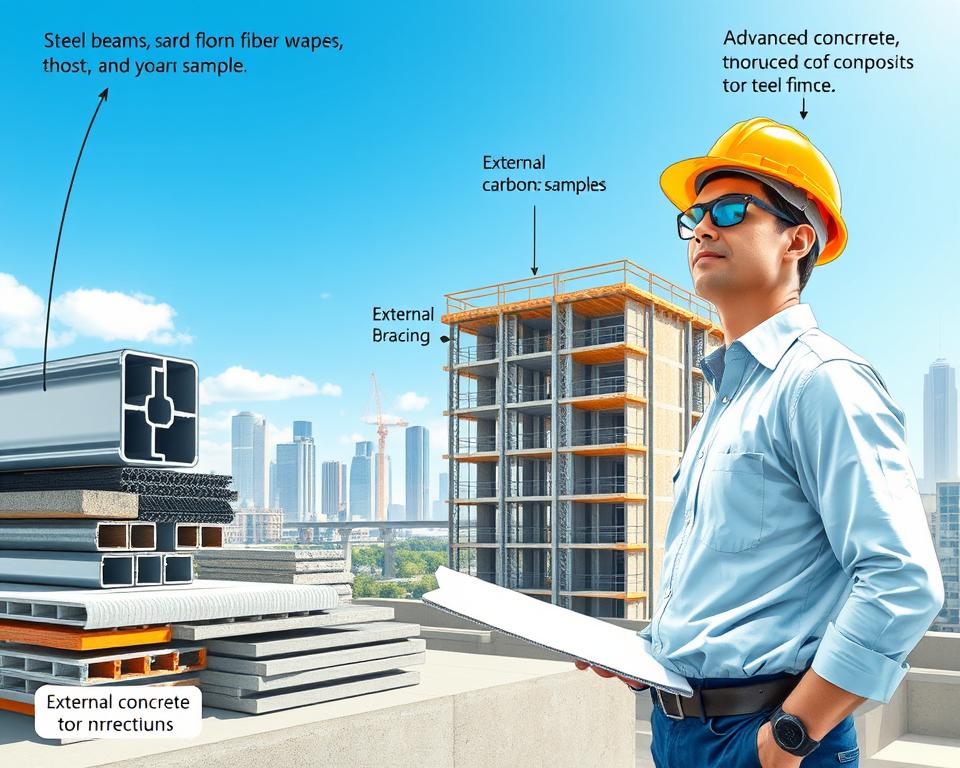
New advancements in materials have brought about modern techniques for structural reinforcement. One big innovation is:
- Fiber-reinforced polymers (FRP): These materials are lightweight yet incredibly strong, making them perfect for places where old methods won’t do.
- Carbon fiber sheets: Used for strengthening and retrofitting, these sheets offer great stiffness and resistance to corrosion.
Using these modern techniques, builders can make structures safer and more durable. This makes buildings better over time.
3. Benefits of Reinforcing Structures
Reinforcing buildings is key to making them safer and more durable. It helps prevent structural failures. This makes places more secure for everyone inside. Plus, buildings that are strengthened last longer, which is good for owners and the community.
Increased Safety and Durability
Structural strengthening makes buildings stronger against bad weather and heavy loads. This makes people feel safer. It also means less risk of damage, creating a safer place to live and work.
Cost-Effectiveness Over Time
Investing in building support systems saves money in the long run. It prevents big repairs and keeps buildings running smoothly. Strengthened buildings need less upkeep, saving money for property owners.
| Benefit | Description | Long-Term Impact |
|---|---|---|
| Increased Safety | Reduces risks associated with structural failure | Higher confidence levels among users |
| Enhanced Durability | Structures can withstand extreme conditions | Longer lifespan of buildings |
| Cost-Effectiveness | Lower repair and maintenance costs | Overall savings for property management |
4. Steel Reinforcement Techniques
Steel reinforcement is key in modern building, adding strength and stability. It helps create strong structures. Two main methods are reinforced concrete and steel frames, each with its own benefits.
Reinforced Concrete
Reinforced concrete mixes concrete’s strength with steel’s. This makes buildings strong against heavy loads and weather. Using rebar and welded wire mesh is important for this method.
This method makes concrete last longer and work better.
Steel Frames
Steel frames are great for tall buildings. They are flexible and can hold more weight than old methods. Their design lets builders create big, open spaces without many walls.
This makes steel frames a top choice for modern buildings that need to last long.
5. Fiber-Reinforced Polymers (FRP)
Fiber-reinforced polymers (FRP) are a big step forward in construction. They make buildings stronger and last longer. This means safer buildings that can handle tough weather better.
Advantages of FRP
FRP stands out because it doesn’t rust or break down in bad weather. This makes buildings last longer. Other good points include:
- Lightweight design makes it easy to use.
- It’s very strong, which is great for support.
- It can be shaped in many ways, fitting different building styles.
Applications in Construction
FRP is used in many ways in building projects. It’s often used for:
- Structural repairs to make old buildings stronger without adding too much weight.
- Strengthening new buildings, mainly in places prone to earthquakes.
- Adding a protective layer to bridges, keeping them strong and lasting longer.
6. Seismic Reinforcement Strategies
In earthquake-prone areas, it’s key to use strong seismic reinforcement strategies. This keeps buildings safe and working well. By using different methods, owners can make their buildings stronger against earthquakes.
Retrofitting for Earthquake Protection
Seismic retrofitting makes old buildings stronger against earthquakes. It adds things like diagonal braces and shear walls. These help the building stay strong during an earthquake.
By fixing weak spots, retrofitting reduces damage. It keeps people and property safe.
Base Isolation Systems
Base isolation is another good way to protect buildings from earthquakes. It puts a flexible layer between the foundation and the ground. This lets the building move with the ground, reducing damage.
Using base isolation makes buildings more stable. It’s a big help during earthquakes.
7. Foundation Reinforcement Options
Foundation stability is key for a building’s safety and long life. Many foundation repair methods can strengthen structures, keeping them stable. Piling and underpinning are top choices for fixing foundation problems.
Piling Techniques
Piling involves driving strong columns into the ground. These can be made from concrete or steel. They help by moving loads to deeper, firmer soil.
This method is great for buildings on weak soil. It boosts the structure’s load capacity in risky areas.
Underpinning Methods
Underpinning strengthens existing foundations. It’s needed when buildings settle or change shape. This can include making the foundation deeper or wider.
By using underpinning, properties become safer and more durable. It’s a way to keep buildings stable for years.
8. Geo-Synthetic Reinforcement
Geo-synthetics are key in modern engineering. They help improve soil and structural reinforcement. These materials include geogrids, geomembranes, and geotextiles. They work with soil to make buildings and infrastructure stronger.
Overview of Geo-Synthetics
Geo-synthetics are synthetic materials that make soil better. They are used in construction to spread loads and stop erosion. This helps engineers build stronger, more lasting structures.
Applications in Soil Stabilization
Geo-synthetics are great at stabilizing soil. They help with drainage, stop erosion, and support structures. Using them makes structures last longer and work better, showing their importance in engineering.
9. Advanced Composite Materials
Advanced composite materials are changing the way we build things. They include carbon fiber and glass fiber composites. These materials are light and strong, making them perfect for modern engineering projects.
Characteristics of Composites
Composites stand out because they are strong yet light. This means they can handle loads without being too heavy. They also resist moisture and chemicals well, making them last longer.
Comparison with Traditional Materials
Composites differ from traditional materials like steel and concrete. They are more flexible and don’t crack under stress. They also don’t corrode like metals do, saving on maintenance costs. Here’s a comparison:
| Property | Advanced Composite Materials | Traditional Materials |
|---|---|---|
| Weight | Lightweight | Heavy |
| Strength | High strength-to-weight ratio | Variable strength |
| Corrosion Resistance | Excellent | Moderate to poor |
| Durability | Long-lasting | Dependent on maintenance |
| Cost over Time | Lower due to less maintenance | Higher due to repairs |
10. Monitoring and Maintenance of Reinforced Structures
Regular inspections are key to keeping reinforced structures in good shape. They catch problems early, avoiding expensive fixes or safety risks. Thanks to advanced monitoring tools, buildings stay safe and useful for years.
Importance of Regular Inspections
Inspections are essential for a building’s long life and safety. Engineers check for wear and stress from the environment, use, and age. This proactive approach saves money and keeps people safe.
Technologies for Monitoring Structural Health
New monitoring tools give engineers real-time data. Sensors in buildings track stress and strain, helping make quick decisions. These tools are vital for keeping buildings in top shape and planning maintenance.
11. Case Studies: Successful Reinforcement Projects
Looking at successful reinforcement projects teaches us a lot about improving building support systems. These examples show new ways to make structures stronger. They involve famous landmarks and important buildings, showing how vital good reinforcement is.
Notable Examples of Reinforcement
The San Francisco-Oakland Bay Bridge and the Willis Tower in Chicago are great examples. Both had to keep their safety and function up. The Bay Bridge got a big upgrade to handle earthquakes better. The Willis Tower was made stronger to handle strong winds.
Lessons Learned from Projects
These projects teach us important lessons for future work. Doing thorough risk checks before starting is key. Working together between engineers, architects, and builders leads to creative solutions. Regular checks to keep structures strong and safe are now common.
12. Future Trends in Structural Reinforcement
The future of structural reinforcement is exciting, with new innovations and a focus on sustainability. Eco-friendly products are emerging, aiming to reduce environmental harm while keeping structures strong. Companies are looking for materials that boost building strength and are kinder to the planet.
Innovations on the Horizon
New structural reinforcement methods are coming, like smart materials that change with the environment. These changes mean buildings can adapt and last longer. They promise to change how we see building strength and longevity.
Sustainability in Reinforcement Practices
The push for sustainability in building shows the industry cares about healthier environments. Techniques that cut down on waste and support recycling are key. By doing this, the construction world is not just building stronger structures. It’s also working towards a greener future.




