

ADVERTISEMENT
About 25% of balcony collapses happen because they don’t have enough support. This shows how crucial good support design is for balcony safety and life span. It’s important for homeowners, architects, and contractors to understand how to properly support a balcony. They need to consider various parts, support systems, and materials when building balconies. It’s also key to maintain them well to keep them strong and looking good.
Key Takeaways
- Understanding support systems is essential for balcony safety.
- Balcony design impacts both functionality and aesthetics.
- Innovative balcony support systems can enhance longevity.
- Choosing the right materials is crucial for structural integrity.
- Regular maintenance can prevent costly repairs.
Understanding Balcony Support Design
Balcony support is key in architecture. It makes sure balconies look good and can hold up under stress. This includes many parts that provide strength and stability. Knowing how to design balcony supports leads to safe and nice-looking spaces in buildings.
What is Balcony Support?
Balcony support keeps a balcony safe to use by handling weight and weather. Beams, posts, and footings are important parts of this. Each piece is made with care for the balcony’s long life and to meet building rules. Balcony designs mix practicality with good looks.
ADVERTISEMENT
Importance of Proper Support
Good support for balconies is critical to avoid accidents or damage. The International Building Code (IBC) sets load standards they must meet. Problems like bad installation, not enough waterproofing, or poor upkeep can lead to big safety risks.
Key Components of Balcony Support
It’s important to know the basics of balcony support for new balcony ideas. The strength of your balcony rests on these: beams, posts, and footings. Together, they ensure your balcony is safe and long-lasting.
Beams
Beams are crucial because they carry the balcony’s weight. They transfer this weight down to the supports below. Beams can be made of wood or steel, each with its own advantages. Picking the right type is key for both strength and design.
Posts
Posts help beams by holding them up from below. They must be firmly anchored to avoid issues. The right materials and installation methods are crucial for sturdy balcony supports.
Footings
Footings spread the weight out to the ground. This stops the structure from sinking or moving because of the soil. Designing footings for your area’s soil conditions boosts your balcony’s safety and life span. They’re a must-have for a reliable balcony.
Types of Balcony Support Systems
It’s important to know about the different balcony support systems to make buildings look good and work well. There are three main types: cantilevered, bracketed, and structural frames. Each type has its own benefits and things to think about for design and stability.
Cantilevered Balconies
Cantilevered balconies stand out in modern buildings, offering a sleek look with less visible support. They stick out from a building, giving the illusion of floating. This adds beauty and more space without risking the building’s strength.
Bracketed Balconies
Bracketed balconies use supports attached to the building’s outside. They allow for many styles and materials, giving architects flexibility. These balconies also meet safety needs while fitting the building’s unique look.
Structural Frames
Structural frames are great for big projects, supporting heavy loads. They’re used in apartment blocks and business buildings where safety can’t be compromised. This system is flexible in design but always keeps balconies safe and sturdy.
| Balcony Type | Support Style | Design Flexibility | Typical Use |
|---|---|---|---|
| Cantilevered Balconies | Supported from one side | Limited but aesthetic | Residential and modern buildings |
| Bracketed Balconies | Mounted on façade | Highly customizable | Various architectural styles |
| Structural Frames | Extensive frames for load-bearing | Flexible and versatile | Larger complexes and commercial spaces |
Material Choices for Balcony Support
Picking the best materials for balcony support is key for safety and durability. Every choice has its benefits to match different looks and uses. Knowing about these materials helps create customized balcony supports for each project.
Wood
Wood is popular for balcony supports because it looks natural. It fits well outside and adds warmth. But, it needs regular care to avoid damage from weather and bugs. Using sealants and stains can make wood last longer, attractive to those who love beauty.
Steel
Steel is known for its strength and long life. In cities, it works well for big balconies without the need for extra beams. Even though it’s more expensive, steel’s durability makes it a smart pick for balcony supports. It also has a modern look for new buildings.
Concrete
Concrete can hold a lot of weight and stands up to weather. It hardly ever needs to be replaced, saving money over time. But, it must be reinforced and treated to avoid cracks. Concrete is a solid choice for long-lasting balcony projects.
| Material | Advantages | Maintenance |
|---|---|---|
| Wood | Natural aesthetics, warm appearance | Regular treatment needed against weather and pests |
| Steel | High strength, durability | Minimal maintenance, requires occasional inspections |
| Concrete | Excellent load-bearing, weather-resistant | Reinforcements needed, rare replacement |
Load-Bearing Capacity Considerations
Knowing how much weight a balcony can hold is key to keeping it safe and lasting long. This means looking at all the weight it needs to handle. The weight of people, furniture, and weather effects like snow or wind really matter. Knowing these helps make sure a balcony is safe for daily use and stays strong.
Assessing Loads
Figuring out a balcony’s strength means seeing how weight spreads out on it. Balconies have to hold up “live loads” from people and movable things and “dead loads” from the balcony’s own weight and things that stay put. This knowledge is crucial for building strong parts like beams and posts to ensure they last a long time.
Safety Factors
Adding safety features into balcony design is important for keeping it safe as it’s used. These features help the balcony handle more weight than expected, offering extra safety. A good design uses top-quality materials and construction methods. This way, it’s not just safe, but also cost-efficient.
Designing for Aesthetic Appeal
Aesthetic appeal is key in balcony design. It boosts the beauty and value of a place. By adding elements that match the architecture and area, homeowners can make welcoming areas that shine.
Incorporating Style
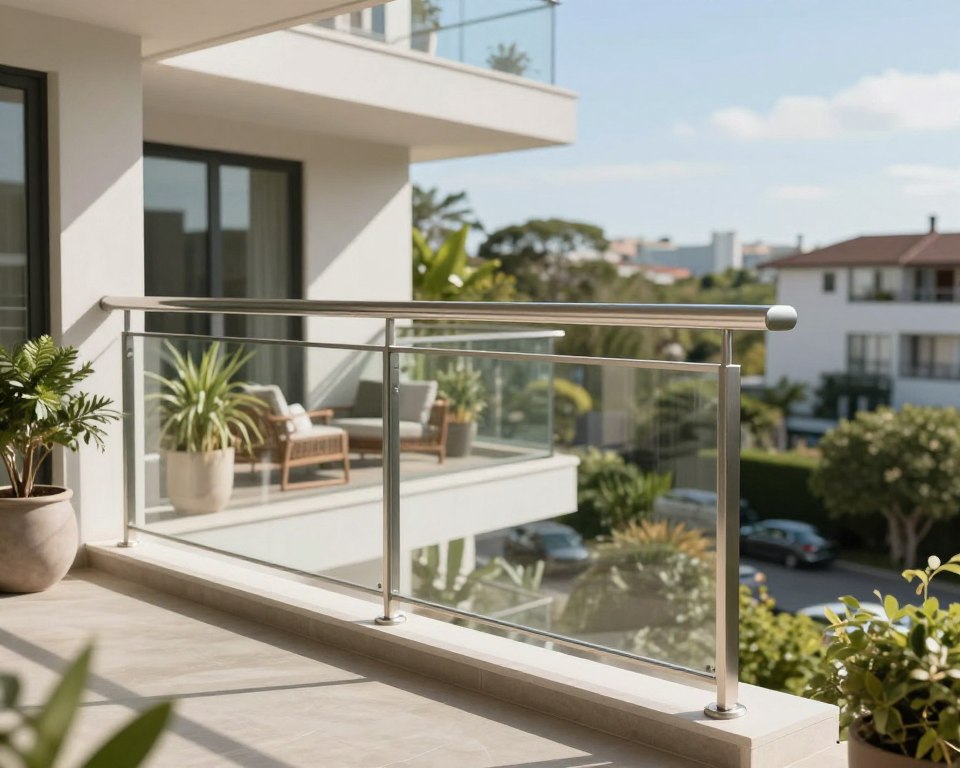
In modern balcony railing design, materials and designs matter a lot. Choices like glass, wood, or metal railings change the look. Adding plants and outdoor furniture brings the final touch. These things make sure the balcony is both stylish and useful.
Balancing Functionality and Design
For custom balconies, it’s important to mix beauty with use. A great balcony should look good and work well. Designers need to think about lasting materials and easy care so the space is welcoming. This way, the balcony looks amazing without losing its everyday function.
| Design Elements | Aesthetics | Functionality |
|---|---|---|
| Railings | Variety of styles and materials | Ensures safety while adding charm |
| Landscaping | Enhances outdoor ambiance | Improves privacy and comfort |
| Furniture | Customizable look and feel | Provides comfort for relaxation |
Local Building Codes and Regulations
When you want to install a balcony, knowing local building codes is crucial. These codes make sure your balcony is safe and follows specific rules. They keep you safe from legal trouble and ensure your balcony stands strong for years.
Importance of Compliance
Following the rules for balconies means your space will be safe and built right. These codes cover safety, drainage, and how much weight your balcony can hold. Ignoring these rules can cause dangers and lead to fines. So, knowing and following local building codes is key for a balcony that’s both safe and legal.
Finding Your Local Codes
Understanding balcony rules can be tricky, but local officials or building inspectors can help. They know the codes for your area. You can also find info on local government websites. This helps you learn about allowed balcony designs and materials. Doing this research is a smart move for any balcony project.
Common Balcony Design Mistakes
Creating a nice balcony adds value to a home. But many people make mistakes that can ruin their balcony projects. Knowing these errors can help make your balcony better.
Overlooking Support Needs
Sometimes, people forget about the need for strong support. If the balcony’s support is weak, it might not last. It’s important to have a good structure to avoid damage over time. Ignoring this can lead to big problems and even make the balcony unsafe.
Incorrect Material Selection
Choosing the wrong materials can cause issues. If the materials don’t match the weather, you might spend more on repairs. Pick strong materials that look good and meet the balcony’s needs. This helps avoid mistakes and ensures a great balcony design.
Maintenance Tips for Balcony Structures
Keeping your balcony in good shape ensures it’s safe and lasts longer. By following some maintenance tips, you won’t just save money on big repairs. You’ll also keep your balcony looking nice. Checking regularly and fixing problems quickly means your space stays usable and attractive.
Regular Inspections
Checking your balcony often is key to spotting trouble early. Look out for issues like water damage, cracked tiles, or rusty supports. Water leaks are especially bad, as they can weaken the whole balcony.
It’s important to watch the parts of your balcony that hold it up. This helps prevent them from breaking when you least expect it.
Addressing Repairs Promptly
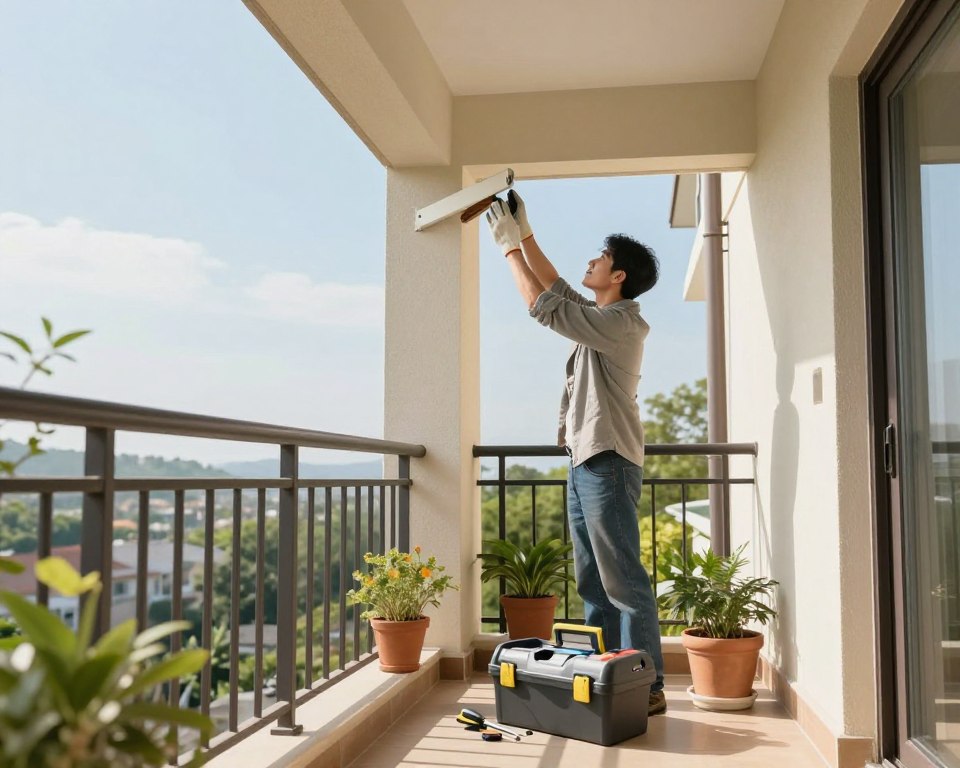
Fixing balconies right away stops small issues from getting worse. Quick action on loose railings or broken parts keeps things safe. Regular cleaning, checking seals, and looking over materials for wear is part of upkeep.
Having a maintenance schedule makes it easier to care for your balcony. This way, it stays in good condition for a long time.
Innovative Balcony Support Solutions
New balcony support methods are changing the game. They focus on being functional and sustainable. Builders are choosing materials that are good for the earth but still strong. These choices make balconies look great and help the environment.
Eco-Friendly Materials
Recycled steel, sustainable wood, and composite decking are great for eco-friendly balconies. They’re strong, look good, and reduce carbon emissions. Using these materials smartly creates durable structures that last through harsh weather.
Prefabricated Options
Prefab balconies make building them faster and cut down on waste. Made in factories, they fit together quickly on site. They use modern materials for more strength and longer life. This is a great fit for today’s building designs.
| Aspect | Eco-Friendly Materials | Prefabricated Balcony Systems |
|---|---|---|
| Environmental Impact | Lower carbon footprint | Reduced construction waste |
| Installation | Often requires longer setup | Quick and efficient assembly |
| Durability | Long-lasting with proper maintenance | Engineered for enhanced performance |
| Design Flexibility | Customizable options | Variety of pre-designed templates |
Using these innovative solutions makes balconies better. They look good and are useful, showing care for sustainability and current design trends.
Working with Professionals
Starting a professional balcony design project can greatly benefit from expert advice. Working with an engineer is key, especially for complex designs needing careful load planning. They bring invaluable knowledge and experience, helping avoid expensive errors in design and build stages.
When to Consult an Engineer
There are several times when it’s good to talk to an engineer about your balcony design. These include:
- Before settling on designs with unusual shapes or materials.
- When figuring out how to support weight safely and lastingly.
- If your local building rules say you need expert checks.
Benefits of Hiring Experts
Bringing on experienced pros offers many benefits:
- Compliance with local regulations: They know local codes well, lowering the risk of breaking them.
- Quality construction: Their skills and knowledge in choosing materials and building techniques surpass typical builders.
- Enhanced safety: Trusting these experts can lead to fewer design mistakes and a safer balcony overall.
Future Trends in Balcony Design
Looking ahead, balcony design trends focus on looks, sustainability, and tech. Architectural innovations are becoming more eco-friendly. People now prefer using green materials and designs for their balconies. This new approach aims at reducing harm to the environment. It emphasizes saving energy and using local materials.
Sustainable Practices
Eco-friendly balcony building is now popular. It includes using old wood and energy-saving designs. These outdoor areas are made to look good and be good for the earth. Green walls and gardens on balconies add beauty. They also help the environment and clean the air. This helps our planet while making homes better.
Smart Technology Integration
Also, smart tech is changing balconies. We’re seeing automated lights, climate controls, and smart railings. These upgrades make balconies more functional and fun. They adapt to our needs, making these outdoor spaces truly special. As tech and nature blend in our balconies, they become unique parts of our homes.




