

ADVERTISEMENT
Homes built with steel framing stand up better to natural disasters than wood homes do. Research shows steel frame construction has fewer problems like termite damage and decay. This makes it a top choice for many builders today. It’s important to look at both the good and bad sides of steel framing. This helps people thinking about building a home make a smart choice.
In this article, we’re going to cover the basics of homes with steel framing. We’ll talk about the good parts and the not-so-good parts. Knowing these things will give you a full view of how steel framing can change your home life. It’s about living in a strong and long-lasting home.
Key Takeaways
- Steel framing offers incredible durability and resiliency against environmental factors.
- Initial costs may be higher compared to traditional construction methods.
- Resistance to pests is a significant advantage of steel frame construction.
- Thermal conductivity can pose challenges for energy efficiency.
- Customization options allow for diverse architectural styles with steel framing.
- Understanding the balance of pros and cons is crucial for potential homeowners.
What is Steel Framing?
Steel framing is a building method using steel beams and columns. It forms a strong framework for various structures, like homes. It’s loved for its toughness, adaptability, and strength. This way of building lets spaces be bigger and more open. It gives homeowners the freedom to choose their layout while keeping the building safe and sound.
ADVERTISEMENT
Definition of Steel Framing
Steel framing uses steel as the main material for a building’s frame. It’s tougher and lasts longer than traditional wood frames. The main parts are I-beams and columns. They form a strong, load-bearing skeleton. This method holds up the building’s weight and fits different designs.
Common Applications in Home Construction
Steel framed buildings work well for many home projects. Here are some usual uses:
- Residential homes, especially those with a modern look.
- Garages and workshops that need a solid frame.
- Larger multi-family homes and commercial spaces.
Using steel in homes offers innovative design choices and practical solutions. It’s becoming a key part of modern building methods.
Benefits of Steel Framing
Steel framing brings a modern touch to building homes. It has many benefits that both builders and homeowners love. These include strong durability, great resistance to weather and insects, and amazing structural strength.
Durability and Longevity
Steel frames stand out for their long life and strength. They don’t warp or crack like wood does. This means they last longer with less upkeep. People who build with steel showcase homes that stay solid years later.
Resistance to Pests and Weather
Steel framing doesn’t let pests like termites damage it. It’s also strong against harsh weather, like big winds or heavy snow. This makes steel homes safe and long-lasting. A special coating also stops corrosion and moisture.
Structural Strength and Stability
Steel’s strength lets builders create big and unique designs. Steel homes are very stable, reducing the risk of falling during disasters. This makes steel a top choice for those wanting to build durable homes.
| Benefit | Description |
|---|---|
| Durability | Steel outlasts traditional materials without degrading over time. |
| Pest Resistance | Offers complete protection against termites and other pests. |
| Weather Resistance | Designed to withstand severe weather conditions effectively. |
| Structural Strength | Provides stability and allows for larger, open spaces in design. |
Drawbacks of Steel Framing
Steel framing has its benefits but also comes with drawbacks. The upfront costs for steel are usually higher than wood framing. This makes budgeting for a project more challenging.
While steel can save money over time because it needs less upkeep, the initial cost can discourage people. Therefore, it’s important to consider these costs carefully.
Cost Implications
Steel framing’s costs don’t just stop at materials. Labor costs might be higher because special skills are needed for setup. This can make steel framing a tough choice for those on a strict budget.
It’s crucial for potential buyers to think about the long-term savings versus the upfront costs. This decision is big for anyone’s budget.
Thermal Conductivity Issues
Steel’s high thermal conductivity poses challenges for keeping homes energy-efficient. Unlike wood, steel doesn’t insulate well. This means steel-framed homes might need more insulation.
That extra insulation can lead to higher energy bills. Homeowners considering steel frames need to plan for these costs.
Aesthetic Limitations
Steel framing doesn’t always meet everyone’s style expectations. Its industrial look might not fit with desired home designs. Often, extra materials or design work are needed to make steel frames look good.
This can add to the already high costs of using steel. Those wanting a more traditional look might find these extra costs too much.
| Consideration | Steel Framing | Wood Framing |
|---|---|---|
| Initial Cost | Higher upfront costs | Lower upfront costs |
| Energy Efficiency | Higher thermal conductivity | Natural insulating properties |
| Aesthetics | Limited design options | More traditional appearances |
| Maintenance | Less frequent maintenance | Requires ongoing upkeep |
Comparison with Traditional Wood Framing
Comparing steel frame to traditional construction involves looking at weight, the environment, and building time. These points help make smart choices when building a house.
Weight Differences
Steel frames are much heavier than wooden ones. Because of this, they need stronger base supports. This might up the cost for the base but makes for a sturdy, lasting home.
Environmental Impact
The impact of steel frames on the environment is important too. Steel can be recycled well and usually produces less pollution during transport and building. This makes it a more eco-friendly option than wood, which needs cutting down trees and can involve harmful chemicals.
Construction Timeframes
Building times often are shorter with steel frames. A lot of parts are made away from the site, which speeds up putting them together on-site. This can cut down on the work needed and how long the whole project takes. It’s great for saving money and planning.
Steel Framing and Sustainability
Today, it’s more important than ever to adopt sustainable building practices. Steel framing leads the way, highlighting the recycle-friendly nature of steel and its role in energy-efficient homes. These features set a new standard for eco-friendly living that benefits both home owners and builders.
Recyclability of Steel
Steel’s ability to be recycled over and over without losing quality stands out. This significantly cuts down on construction waste. Moreover, the materials from sustainable steel homes can be reused for new constructions. This doesn’t just reduce our environmental impact. It also supports a circular economy, which is all about sustainability.
Energy Efficiency Considerations
For energy efficient steel homes, many aspects are crucial. Although steel conducts heat more than wood, modern insulation improvements help. This insulation keeps homes warmer or cooler, slashing energy bills. Choosing energy-efficient options saves money and reduces our carbon footprint greatly.
Customization Options for Steel Framing Homes
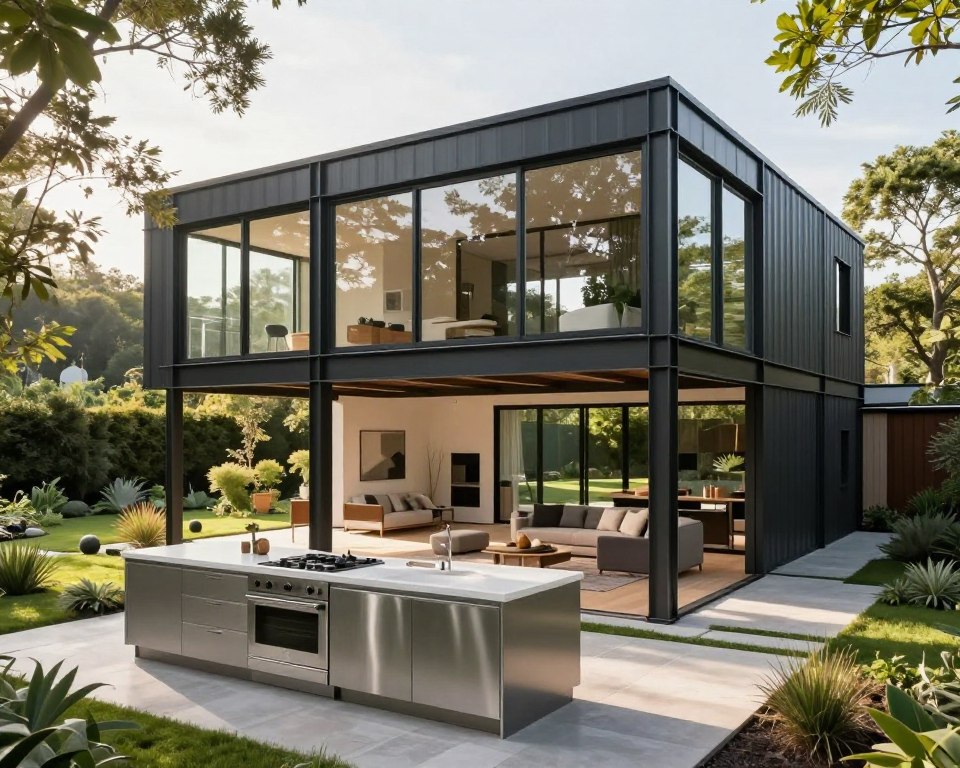
Steel frame homes are very flexible in design. This means builders can create many different layouts. They can match the style and needs of any homeowner. This flexibility lets homeowners have homes that truly show their personal style.
Design Flexibility
Steel frames offer more design options than traditional materials. With steel, builders can:
- Open floor plans that enhance space and light.
- Custom structural elements for unique aesthetics.
- Adaptations to accommodate unconventional layouts.
Architectural Styles Available
With steel frames, you can choose from many architectural styles. You can pick contemporary, industrial, or minimalist looks. Homeowners and architects have the freedom to create:
- Modern steel-and-glass combinations.
- Rustic styles that blend steel with natural elements.
- Traditional looks that maintain a classic appeal.
The Construction Process of Steel Framing
Building steel-framed homes begins with careful planning and design. This initial step makes sure every part serves its purpose well and uses materials wisely. Planning well leads to a better way of building with steel frames.
Initial Planning and Design
Good planning is the foundation of a successful project. It involves several important steps:
- Architectural Drawings: Detailed plans show the size and layout.
- Structural Analysis: It’s important to know how well the structure can support weight.
- Material Selection: Picking the right steel is crucial for strength and long-term use.
This preparation helps move the project smoothly to the next stage.
Manufacturing and Fabrication
After settling on the design, the making of steel parts happens off-site. Doing this has many benefits:
- Precision Manufacturing: Parts are made to match exact needs, improving quality.
- Reduced On-Site Labor: Building faster is possible because many parts are made earlier.
- Weather Mitigation: Making parts indoors prevents weather from causing delays.
These actions guarantee a smooth and successful process. They ensure on-time completion and a reliable structure.
Insulation and Steel Framing
Constructing steel-framed homes requires attention to insulation. It’s key for energy efficiency and keeping a steady indoor temperature. Since steel transfers heat easily, effective insulation is crucial.
Importance of Proper Insulation
Insulation is vital against the thermal conductivity of steel structures. Without it, homes get too hot in summer or too cold in winter. This raises utility costs due to higher energy use.
Common Insulation Materials Used
Different insulation materials are chosen for their unique advantages:
- Foam Boards: They offer top-notch thermal insulation for walls and roofs.
- Spray Foam: It seals air leaks by expanding into gaps and cracks.
- Fiberglass: This material is both effective and budget-friendly, fitting well between steel studs.
Maintenance of Steel Framing Homes
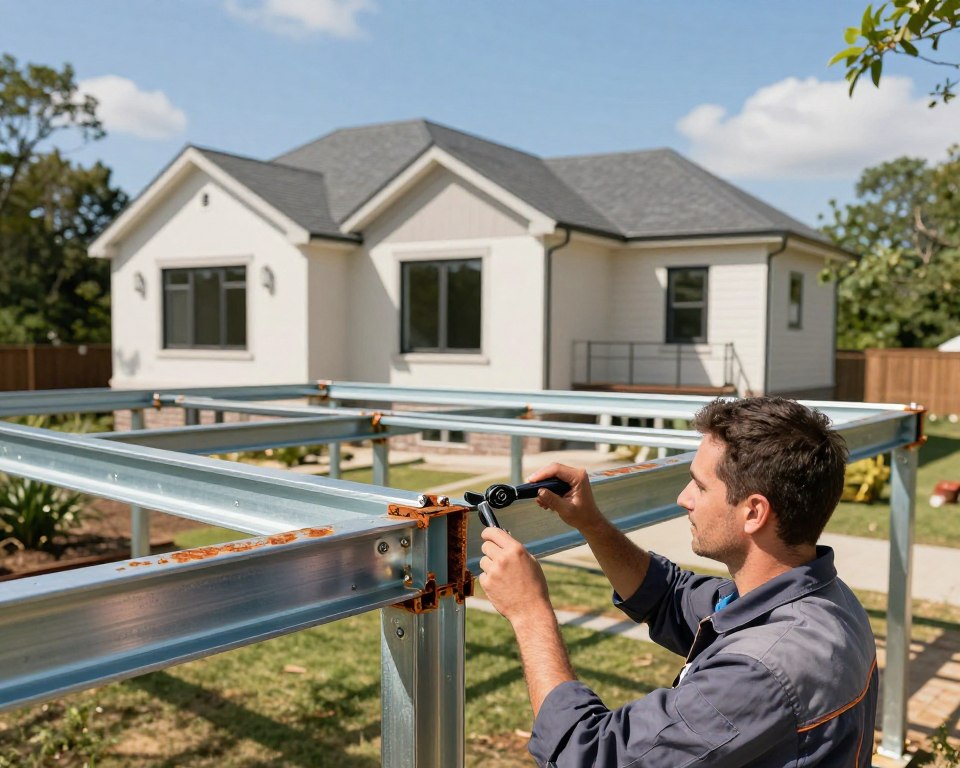
Keeping steel homes in good shape is key for their long life and performance. By regularly checking them, you can find problems like rust or structural issues early. This helps the home last longer. Although these homes don’t need much upkeep, paying attention to small details can stop minor issues from becoming big headaches.
Regular Inspections Needed
It’s a good idea to inspect steel framing homes at least once a year or with each season. These check-ups can show any signs of damage or wear. Look for rust, dents, or changes in the frame’s shape. Fixing these issues early helps keep the home in top shape and looking great.
Repair and Renovation Considerations
Repairing steel homes is usually pretty simple. Adding protective coatings can stop damage, especially in wet areas. If you’re thinking about renovating, you might update the insulation or finishes. But these changes mostly help maintain the home without altering its core structure.
Cost Analysis of Steel Framing
Looking into steel framing for homes means understanding costs and possible savings. The start-up cost might be higher because of material prices and the need for skilled workers. But, long-term benefits often outweigh these initial costs.
Upfront Costs vs. Long-Term Savings
Steel framing’s upfront costs can be more than wood framing. Here’s what makes it pricier initially:
- Material Costs: Steel usually costs more than wood.
- Labor: It needs skilled labor for setup.
Even with these costs, homeowners can end up saving a lot. Here are ways they save money over time:
- Steel’s durability means lower upkeep costs.
- There’s also less need for repairs from pests or weather damage.
Financing Options Available
Looking into financing options can make building steel homes easier. Homeowners might consider these paths:
- Home Equity Loans: Using home equity can offer funds at good rates.
- Personal Loans: Short-term loans might work well, depending on one’s financial plan.
- Builder Financing: Some builders have special financing for their projects.
There are also incentives for building energy-efficient homes. These can help lower costs. By comparing steel framing’s costs against savings and checking financing choices, homeowners can make smart money moves.
Real-Life Examples of Steel Framed Homes
Steel framed homes are now a big deal all over the U.S. They show off how cool and useful this building style is. People who live in these homes talk about how strong, easy to keep up, and flexible the design is.
Notable Projects Across the U.S.
A bunch of famous projects prove how great steel frames are. Some highlights include:
- The Eco-Friendly House in California, built with sustainable steel that reduces overall energy consumption.
- The Modern Urban Loft in New York City, which utilizes steel framing for an open-concept layout.
- The Seaside Retreat in Florida, designed to withstand harsh weather conditions while offering stunning ocean views.
Testimonials from Homeowners
People who have these homes often talk up steel frames. Here’s what a few of them said:
“Our steel framed home is not only beautiful but incredibly sturdy. We’ve had no issues even during extreme weather!”
“The low maintenance required is a game changer. I can focus on enjoying my home rather than constant repairs.”
These stories show how happy homeowners are with their steel framed homes. They love the unique perks and lasting value.
Future Trends in Steel Framing
The future of steel framing homes looks bright. Innovations continue to change the construction world. Technology improvements, like automation and smarter design, make steel framing easier and cheaper for builders in residential projects.
Steel homes are getting more popular because they are strong and save energy. This makes them attractive to people who care about the environment.
There is also more demand for steel in houses. This is because of a move towards building in ways that are better for the planet. Steel’s flexibility means architects can create unique, beautiful, and practical homes. These homes are not just strong and efficient but also ready for the future. This shapes a housing market that can deal with new challenges.
The way we build with steel is changing fast. We will see more smart tech in steel homes. Advanced building methods and systems that watch the house in real time will make homes more energy-smart and comfortable for living. Steel framing is becoming the smart choice for modern housing.




