

ADVERTISEMENT
Did you know that nearly 75% of homeowners are now choosing textured wall finishes? This trend highlights how special wall finishes can change ordinary rooms into stunning spaces. By adding textures to walls, rooms gain character and depth.
This makes your home more appealing. The choices range from Venetian plaster to stucco, offering many options for any room. Besides their beauty, textured finishes help hide wall flaws and change how light looks in a space. Join this growing trend and see how these finishes can revitalize your home.
Key Takeaways
- Textured wall finishes are gaining popularity, with 75% of homeowners opting for them.
- These finishes can dramatically enhance visual appeal and depth in any space.
- They include a variety of styles like Venetian plaster and stucco.
- Textured walls can effectively hide imperfections and change light dynamics in a room.
- Using decorative wall finishes can infuse character and warmth into interiors.
What Are Textured Wall Finishes?
Textured wall finishes add a special touch to rooms, making plain walls much more interesting. They range from light to bold patterns. These finishes are great because they look good and feel good to touch. This creates a strong connection between the room and the people in it.
ADVERTISEMENT
Definition and Overview
Textured wall finishes mean different ways to make interior wall textures. They can be elegant like Venetian plaster or casual like knockdown styles. With so many textures, you can have a room that fits what you like. This personal touch makes decorating fun.
Importance in Interior Design
In interior design, picking a textured wall is key to a room’s vibe. Textures make rooms more interesting and change how they feel. The right texture can make a room feel cozy or fancy. Designers know that these details make a room better and show off the owner’s style.
Popular Types of Textured Wall Finishes
Textured wall coverings offer many styles, each giving a distinct feel to spaces. Venetian plaster and knockdown texture are very popular. They boost the look while being practical. Knowing about these can guide your choices for your place.
Venetian Plaster
Venetian plaster is known for its shiny, upscale finish. It’s made from lime and marble dust. This method fits well in fancy areas, giving off an elegant vibe. You can pick from many colors and levels of shine, making it perfect for stylish rooms.
Knockdown Texture
Knockdown texture has a gentle, stucco-like surface. It’s good at covering wall flaws. This choice keeps things simple but interesting. It’s common in modern houses, adding depth and uniqueness to any room.
Sand Finish
A sand finish gives a friendly and warm touch, ideal for accent walls. Its rough texture brings comfort, making it a top pick for living places or bedrooms. It creates a laid-back feel and is made to last.
Stucco
Stucco is a proven, long-lasting finish. It handles different weather well, which is why many types of buildings use it. Stucco comes in several textures and colors. It can look rustic or modern, depending on how it’s applied.
Benefits of Textured Wall Finishes
Textured wall finishes have several advantages. They don’t just look good; they also boost any room’s design and charm. Here are some key perks of textured walls.
Enhanced Visual Appeal
Adding texture to walls increases their beauty. These surfaces, from rough stucco to smooth Venetian plaster, catch your eye. They make rooms more exciting and welcoming.
Improved Acoustic Properties
Textured walls can also make places quieter. Some textures absorb sound, reducing noise in homes and offices. This is great in noisy areas or buildings with many residents.
Hiding Imperfections
Textured finishes hide wall flaws well. Issues like cracks and bumps are less visible. This is a plus for old homes or any place with wall damage.
How to Choose the Right Finish
Choosing the right texture for your walls takes thought. It’s about the room, the light, and what’s already there. Thinking about these things can make your space feel just right.
Consider Your Space
Think about how you use each room. Busy spots might need tougher finishes. Bedrooms could use something softer. Choose the texture that fits how you live.
Evaluate Lighting Conditions
Light affects how textures look. Sunlight and lamps can change how shadows play on your walls. Watch how light changes the feel of the texture to get it just right.
Match With Existing Decor
Make sure your new texture fits with your style. Whether your home is modern or cozy, the right texture blends in. It’s key for a look that feels complete.
DIY Textured Wall Finishing Techniques
Adding texture to your walls can make them stand out. You can do this with different paint techniques. This guide will show you how to get the look you want with textured painting.
Preparing Your Walls
First, prepare your walls properly. Clean them to get rid of dirt and grease for better paint stick. Fix any flaws with spackling compound. After fixing, put primer on for a smooth start. Let the primer dry before you do anything else.
Tools You’ll Need
- Texture sprayer or roller
- Drywall knives
- Texture combs
- Sandpaper
- Drop cloths
- Paint trays
- Protective gear like gloves and masks
Step-By-Step Application Process
Now you’re ready to start. Here’s what to do:
- Choose your texture style.
- Mix the texture material as the instructions say.
- Put the mixture on the walls with your sprayer or roller.
- For a special look, shape the texture with a knife or comb.
- Let the texture dry all the way. See if you need another coat.
Hiring a Professional for Textured Finishes
Choosing the best way to get textured walls can be tough. Do you do it yourself or hire professionals? Having pros do it means they bring their know-how, which is crucial. Especially for tricky jobs in big rooms or areas with tall ceilings. Here’s why getting pros might be your best move.
When to Consider Professionals
Sometimes you just need a professional. Here’s how to know:
- Big wall spaces that need lots of work
- Complicated techniques like Venetian plaster that need expert skills
- Tall ceilings that make the job harder
How to Find Qualified Contractors
Choosing the right pros can really lift your project. Start by:
- Looking at online reviews to see what others say
- Asking people you know for their recommendations
- Checking if the contractor is skilled in the finishes you want

Following these steps gets you quality work and walls that look great. Don’t be afraid to get help from pros when you need it.
Maintenance Tips for Textured Walls
Keeping textured walls looking great requires certain steps. It’s about keeping them clean and doing touch-ups when needed. By knowing how to clean textured walls properly, you can make them look good. This also helps them last longer.
Cleaning Techniques
To keep textured walls free of dust and dirt, clean them often. Here are some smart ways to do it:
- Dusting: Use a soft brush or microfiber cloth to gently remove dust and debris.
- Spot Cleaning: Apply a mild soap solution with a soft sponge for spots. Be gentle to avoid damage.
- Vacuuming: For deeper textures, vacuuming with a brush attachment works without harm.
Touch-Up Methods
Doing touch-ups on textured walls needs a careful approach. Here’s how to get flawless results:
- Matching Materials: Match the paint or compound with the wall’s texture for a consistent look.
- Application Techniques: Layer touch-up materials thinly and use original tools for the same texture.
- Final Inspection: After it dries, check your work. Touch up again if needed.
Trends in Textured Wall Finishes
Textured wall finishes are always changing. This change is driven by what homeowners like and new designs. Today’s trends are not just about looks. They show a deep connection to being green and adding a personal touch. As people love modern textured walls more, we see more green materials and bold patterns. These trends catch the eye of both designers and homeowners.
Eco-Friendly Materials
Homeowners who care about the planet choose green materials for their homes. They are using things like wood that’s been used before, bamboo, and natural plaster for their walls. These materials make a home feel earthy and don’t harm the planet. This change makes homes look good and shows a commitment to living in a way that’s good for the earth. People can have homes that are pretty and good for the planet. This blends being useful and caring about the planet.
Bold Patterns and Designs
There’s also a big trend in using bold patterns, different textures, and bright colors. Designers are getting creative and making walls that grab your attention. This lets homeowners show who they are in a big way. They are turning simple rooms into spaces full of life. You can see everything from shapes to abstract art on walls. These new wall designs make decorating a fun way to change how a room looks.
| Trend | Description | Benefits |
|---|---|---|
| Eco-Friendly Materials | Use of sustainable resources like bamboo and recycled wood | Minimizes environmental impact, enhances natural aesthetics |
| Bold Patterns | Incorporation of unique textures and colors | Creates focal points, expresses personal style |
Learning about these trends can help both homeowners and designers. It can guide them in making spaces that reflect today’s values but still feel personal. Looking at these styles can lead to better design choices. It can make any space look better.
Textured Finishes vs. Smooth Finishes
Picking between textured or smooth finishes matters a lot in design. Both offer unique looks and benefits. Knowing the advantages and drawbacks of textured walls helps people choose what’s right for them.
Pros and Cons of Each
| Feature | Textured Finishes | Smooth Finishes |
|---|---|---|
| Visual Appeal | Add depth and character. | Provides a sleek, modern look. |
| Maintenance | May require more effort to clean. | Generally easier to wipe down. |
| Imperfection Hiding | Excellent for concealing wall flaws. | Showcases imperfections more clearly. |
| Style Compatibility | Works well with rustic or traditional designs. | Ideal for minimalistic and contemporary aesthetics. |
When to Choose One Over the Other
When picking textured or smooth finishes, think about your design goals and needs. Textured finishes add warmth and character to a room. Smooth surfaces are great for a clean, modern look. Understanding their pros and cons helps you make a choice that fits your style and needs.
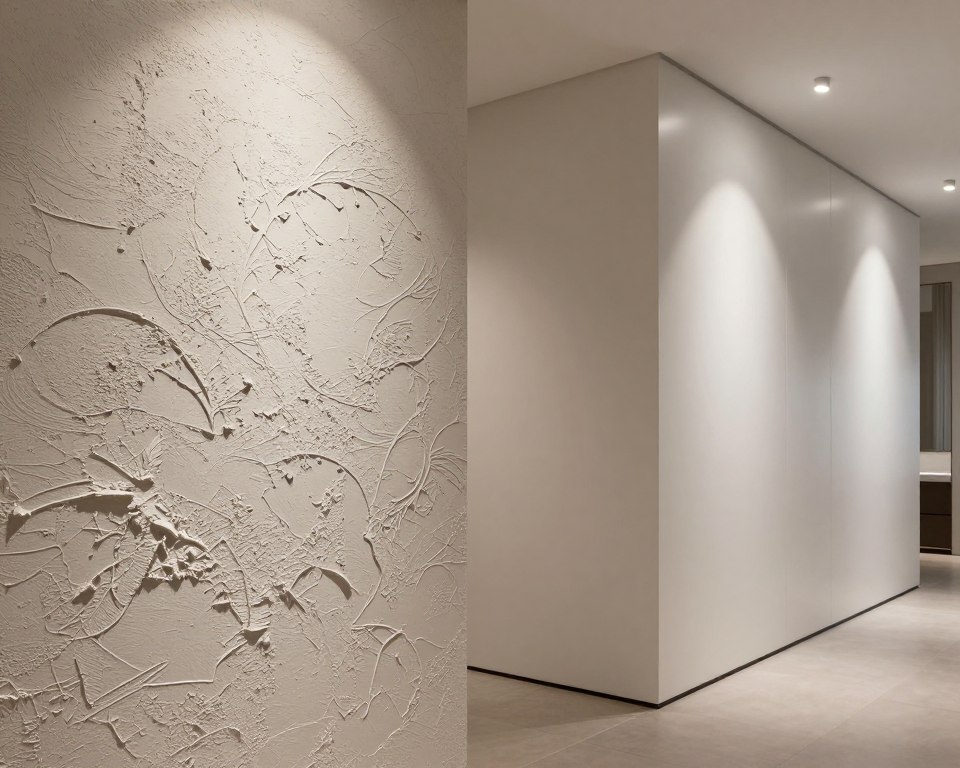
Cost of Textured Wall Finishes
For those planning a remodel, knowing the cost of textured wall finishes is key. Prices can be influenced by many factors, making it important to stay informed. The texture type and the size of the area are major elements that impact cost. A unique finish might also mean higher labor costs from needing skilled workers.
Factors Influencing Price
The price of textured wall finishes changes due to several factors:
- Type of Finish: Different textures come with different costs. Venetian plaster, for example, is pricier because it’s complicated to apply.
- Area Size: Covering larger spaces means using more materials and labor, raising the project’s price.
- DIY vs. Professional Work: Doing the project yourself can save on labor. However, mistakes can lead to extra expenses.
Budgeting for Your Project
Creating a budget for textured walls means thinking about not just the up-front costs but also future expenses. You’ll want to consider:
- Material Costs: Calculate the amount of material your project will need.
- Professional Fees: If using a contractor, get quotes to know the labor costs accurately.
- Maintenance: Remember to plan for any future upkeep or repairs.
Understanding these aspects helps homeowners get ready for the true cost of textured wall finishes and manage their money wisely.
Common Mistakes to Avoid
When adding textured finishes to walls, it’s key to dodge common errors. Such mistakes can really change how a room feels and looks. Knowing what to avoid makes the finish look better.
Overdoing the Texture
Too much texture can make a room feel cluttered. It can be too intense, clashing with the room’s decor. The best look comes from a good mix of texture and simple lines.
Ignoring Room Proportions
Not considering the room’s size can lead to problems. In small rooms, bold textures might make the space seem smaller. But in simple, big areas, adding texture can add interest. Always think about the room’s size and purpose to avoid mistakes.
Inspiration and Ideas for Textured Walls
Textured walls can change the look and feel of any space, making it unique. In homes, finishes like Venetian plaster or stucco make living rooms and kitchens cozy and welcoming. Adding an accent wall around a fireplace or showcasing artwork brings depth and character.
Choosing light tones can make a room feel larger, while dark colors add coziness. Textured wall ideas can revive any space.
Residential Applications
In homes, textured walls let you express yourself. A sand finish in a child’s play area adds fun, or a polished plaster in a dining room brings elegance. From rustic country homes to sleek city apartments, mixing textures and colors highlights your personal style.
Commercial Spaces
But it’s not all about homes; commercial spaces benefit from textured finishes too. They help businesses stand out and welcome clients. Retail boutiques might choose a knockdown texture for a modern vibe, while restaurants use warm stucco for a cozy dining atmosphere. Strategic textured walls create lasting impressions and draw customers in.




