ADVERTISEMENT
Did you know about 80% of people say flowers make them happier? This fact shows how important it is to plan your garden with seasonal flowers in mind. By picking the right flowers for each season, your garden will stay bright and beautiful. It also helps your feel-good vibe. This guide gives you tips to make your garden full of life and color all year round.
Choosing the right flowers and knowing when they bloom are key. This guide will encourage you to love the seasonal colors and scents. Let’s explore what each season offers in beauty and fragrance!
Key Takeaways
- Understanding seasonal flower planning enhances the enjoyment of your garden.
- Choosing the best flowers for each season creates variety and beauty.
- Being aware of seasonal changes helps maintain a thriving garden.
- Effective flower garden ideas can improve both aesthetics and mental health.
- Seasonal flowers can transform your outdoor space into a captivating experience.
Understanding Seasonal Flowers
Seasonal flowers shine in gardens during certain times of the year. Their unique bloom cycles show how they adapt to different climates. Seasonal blooms follow the natural rhythms of their surroundings, unlike other flowers. Using them in your garden boosts beauty and helps the environment.
ADVERTISEMENT
What Are Seasonal Flowers?
These flowers bloom in specific seasons, offering various colors and scents. Knowing which flowers bloom when allows gardeners to create lively gardens. This also keeps landscaping interesting all year long.
Benefits of Choosing Seasonal Flowers
Choosing seasonal flowers brings many perks. They’re cheaper when in season and are eco-friendly. They don’t need much water or care at the right time.
Seasonal blooms also attract bees and butterflies, adding life to your garden. They make your outdoor space visually appealing, changing with the seasons.
The Four Seasons: A Quick Overview
Picking the right flowers for each season can make your garden look great and your home feel seasonal. Choose the best blooms to keep your garden colorful all year round. Here is a guide to the best flowers for every season.
Spring Blooms to Consider
Spring is a time for new beginnings and colorful gardens. Think about planting tulips, daffodils, and hyacinths for lively colors. These flowers do best when planted at the start of spring, making your garden beautiful as they pop up.
Summer Favorites
Summer makes your garden full of life with its favorite flowers. Sunflowers, zinnias, and dahlias love the sun and brighten any space. They’re perfect for sunny days and make great decor for outdoor parties.
Autumn Selections
When autumn comes, chrysanthemums and marigolds show off their cozy colors. These blooms look great in fall and can handle the cold. They are a smart pick to keep your garden pretty into the cooler months.
Winter Wonders
You don’t need to stop gardening in winter. Flowers like pansies and hellebores thrive in the cold. Planting these tough flowers means your garden will still look good in winter, adding cheer to your home.
How to Choose the Right Flowers for Each Season
Choosing the right flowers for your garden takes care. Think about your area’s climate and what you like. Planning for each season means you’ll get lovely blooms all year. It’s good for your garden and the planet to pick flowers that fit well with your climate.
Climate and Weather Considerations
First, check your garden’s climate. Know your USDA zone to pick the right plants. Look at frost dates, sunlight, and soil. These affect how well your flowers will do. Pick plants that love your specific conditions to make your garden shine. Make sure your soil is ready to support them.
Personal Preferences and Styles
Your taste is important in choosing flowers. Think about the colors and look that make you happy. Do bright colors catch your eye, or do you love soft pastels? This helps make your garden a place that shows off your style. Adding flowers that are also good for the earth makes your space even better.
Planning Your Flower Garden
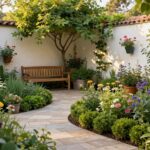
Creating a stunning flower garden is about more than choosing pretty flowers. It involves planning the layout and design to make your space look and work better. With so many flower garden ideas, you can choose from raised beds, borders, or elegant containers. Each option adds its own beauty and ease, making your garden truly yours.
Layout and Design Ideas
Starting your flower garden begins with picking the right layout for beauty and space. Raised beds improve drainage and soil, while borders give your garden a clean look. Container gardening lets you move your plants for different seasons or spaces. By mixing flower types, you get a garden that’s full of life and color.
Companion Planting Tips
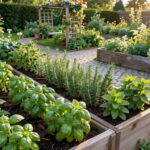
Using companion planting can make your flower garden even better. Some plants grow better together, helping each other stay healthy. For example, marigolds keep bad insects away, and basil helps flowers grow stronger. This way, your garden is not just pretty, but also healthy and productive.
Seasonal Flower Care Tips
Want your garden to glow with vibrant flowers? Learn the basics of watering and keeping them healthy. It’s key to know how to water correctly and maintain your flowers. This will assure they grow strong and beautiful. Here are some helpful hints.
Watering and Maintenance Basics
Watering your flowers right is more than just how much water you give them. It’s also about using the right methods. Keep in mind these points:
- Water early in the morning to minimize evaporation.
- Use soaker hoses or drip irrigation to deliver water directly to the roots.
- Adjust frequency based on weather conditions and soil moisture—typically, aim for a deep watering once a week.
But watering isn’t everything. You also need to maintain your flowers regularly. Deadheading old blooms helps new ones grow and keeps diseases away. Always check your plants for pests and deal with them fast using the right insecticides or natural methods.
Fertilizing for Healthy Growth
Fertilizing is a big part of getting those lush, beautiful flowers. You can choose between organic and synthetic fertilizers. Organic options, like compost or fish emulsion, are great for your soil’s long-term health. Synthetic fertilizers give your flowers a quick nutrient boost.
When you fertilize is also crucial. Start in early spring when your flowers begin to show. A mid-season application can also help your plants stay strong. Following these tips will help your garden bloom with stunning flowers.
Incorporating Seasonal Flowers in Events
Using seasonal flowers turns any event into something beautiful, especially weddings. These flowers bring out the season’s spirit and enhance your event’s theme and colors. Choosing the right flowers is essential. They must match the event’s mood and style.
Weddings and Celebrations
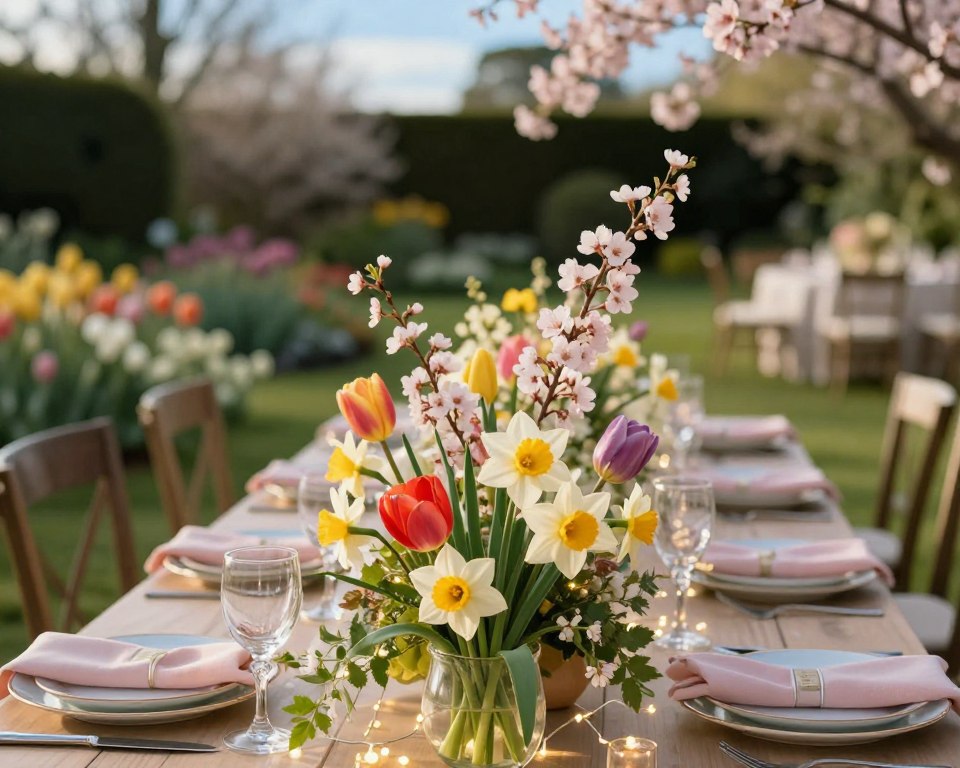
Seasonal flowers make weddings feel more special. Picture bouquets with bright spring tulips or deep autumn dahlias. Consider how these blooms can decorate different parts of your wedding. They work well as centerpieces, in bouquets, and even as floral crowns.
These flowers ensure your event is consistent and well-planned. From the ceremony to the reception, everything will look connected and beautiful.
Seasonal Decor Ideas
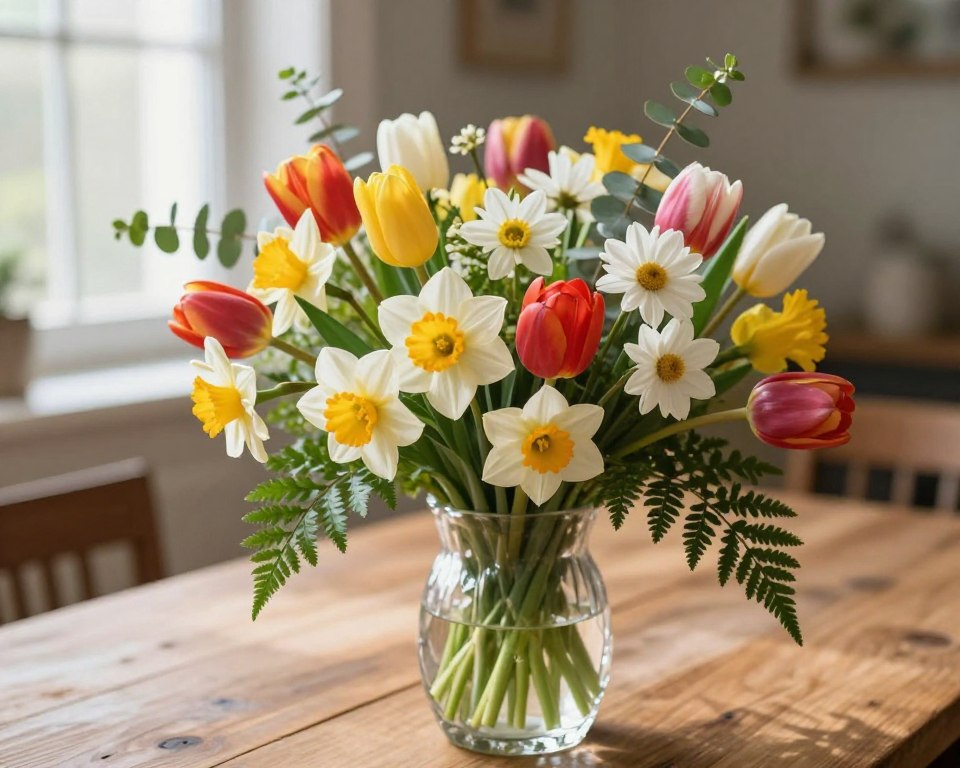
Seasonal flowers are great for decorating your home too. Try putting fresh blooms in vases as a centerpiece. Mix flower heights in your arrangements for an eye-catching display on tables or mantels. Adding flowers to your home lets you celebrate the seasons.
Place flower arrangements in spots like your entryway or kitchen. This makes your home look lovely and acknowledges the changing seasons.
Growing Seasonal Flowers from Seeds
Growing flowers from seeds is rewarding and saves money. Picking the right seeds is key for a good bloom. It’s about the climate, soil, and what flowers you like. Knowing this makes your garden bright and full of life.
Choosing the Right Seeds
To pick the best seeds for your garden, think about:
- Climate: Pick seeds that grow well in your area.
- Soil Type: Make sure the soil matches the flowers’ needs.
- Bloom Time: Choose when you want flowers to brighten your garden.
Germination and Early Care
Starting seeds off right is key for their growth. Here’s what to do:
- Soil Preparation: Mix good soil with compost for strong roots.
- Lighting: They need light, natural or from lamps, for 12-16 hours a day.
- Timing: Plant indoors 6-8 weeks before the last frost for healthy plants.
Watch your seedlings closely as they grow. Look out for problems like pests. Change how you care for them as needed. This helps your flowers grow well.
Creating Bouquets with Seasonal Flowers
Making bouquets with seasonal flowers means knowing how to mix colors and arrange them right. The best color combinations can add life and beauty, turning your bouquet into an eye-catching centerpiece. Here, we’ll share some lively color mixes and key design tips.
Color Combinations to Try
Choosing the perfect colors is key to making your bouquet stand out. Below are some great color matches:
- Pinks and Blues: Pair soft pink roses with deep blue hydrangeas for a dreamy feel.
- Yellows and Purples: Combine bright yellow sunflowers and rich purple irises for a summer vibe.
- Whites and Greens: Mix white lilies with green leaves for a crisp, clean look.
Arrangement Techniques
Knowing how to arrange flowers is crucial. Here are some top tips:
- Traditional Bouquet: Begin with a main flower. Add secondary flowers, then greenery for fullness.
- Modern Arrangement: For a modern style, play with the heights of flowers for an asymmetric look.
- Conditioning Flowers: Cut stems at an angle and soak them before arranging to keep them fresh.
Using these tips and colors can make your arrangements look great and last longer. Let these ideas spark your creativity with seasonal flowers. Enjoy making beautiful bouquets.
Sustainable Seasonal Flower Practices
Making your garden sustainable can change your local area and how you feel about gardening. When you grow seasonal flowers sustainably, you’re choosing beauty that’s good for the planet. This approach means your garden will not only look great but will help the environment too.
Eco-Friendly Gardening Tips
Here are some tips to keep your garden green:
- Use compost to improve your soil in a natural way. It cuts down on waste and feeds your plants.
- Save water by using rain barrels or drip irrigation systems.
- Choose organic ways to deal with pests, keeping harmful chemicals out of your garden.
- Plant native species to help local wildlife and keep the ecosystem balanced.
- Rotate what you plant to keep the soil healthy and pests at bay.
Supporting Local Flower Farmers
Buying flowers from local farmers is great for sustainability. When you do, you:
- Cut down on pollution from transporting goods, which is better for the earth.
- Boost your local economy and help your community’s businesses grow.
- Get fresher flowers that are usually grown more responsibly.
- Build connections with the people who grow your flowers, learning more about sustainable ways.
Resources for Seasonal Flower Planning
Planning a flower garden is both exciting and fulfilling. Having the right resources available makes a big difference. There are many books and guides that talk about seasonal flowers. They offer tips on designing, caring for, and planning your garden. With these resources, you can make your garden full of vibrant, healthy blooms all year.
Recommended Books and Guides
If you want to learn more, consider books like “The Flower Gardener’s Bible.” It has detailed advice on seasonal flowers and how to plan for them. “Floret Farm’s Cut Flower Garden” is great for inspiration and practical growing tips. These guides help you understand the needs of different flowers throughout the year.
Online Communities and Forums
Joining an online gardening community is also very helpful. You can find these on gardening forums and social media groups. They’re places where you can ask questions, share your experience, and get lots of ideas. Talking with other flower enthusiasts opens up new insights and tips. It makes dealing with problems easier and celebrating successes more fun.