

ADVERTISEMENT
Did you know over 70% of our native plants are at risk because of habitat loss and climate change? This fact shows how crucial native plant gardens are for local biodiversity. A native plant garden does more than add green space; it’s about choosing sustainable designs that help local ecosystems and look great. By selecting plants that naturally do well in your area, you’re making eco-friendly landscaping choices. These choices support wildlife, save water, and make your area more beautiful. Let’s explore how to craft a native plant garden that’s both pretty and helpful.
Key Takeaways
- Native plant gardens support local biodiversity and ecosystems.
- Using local flora reduces water usage and maintenance efforts.
- Native plants attract beneficial wildlife like pollinators and birds.
- Designing with native plants contributes to sustainable environments.
- Planning and planting correctly is key for a thriving garden.
What is a Native Plant Garden?
A native plant garden is full of plants from the area. These plants are perfect for the local soil and weather. They help bring back natural areas and increase the variety of plants and animals.
By choosing local plants, gardeners support nearby wildlife and cut down on upkeep.
ADVERTISEMENT
Definition and Purpose
A native plant garden uses plants from the region to match the local natural landscapes. These gardens help the environment because the plants are meant for the area’s rain, soil, and animals. They do more than look pretty; they provide homes for insects, birds, and other animals.
Importance of Native Plants
Native plants are key for a garden that helps wildlife. They give food and shelter to bees, butterflies, and birds. These plants keep the ecosystem working well by fitting in perfectly with other local species.
Benefits to the Environment
Having a garden with native plants helps the planet in many ways. These plants stand up to the weather well, which means less water runoff and soil staying put. They let gardeners avoid harmful chemicals, making a safe space for animals.
Plus, they keep the soil healthy and help fight climate change by storing carbon.
Choosing the Right Native Plants
Creating a garden with native plants takes thought and planning. Start by researching local plants. This knowledge helps you choose plants that will grow well in your area. Different places have different plants that do best there. Adding plants that don’t need much water can make your garden strong, even when the rain doesn’t come as expected.
Researching Local Flora
Start your garden project by learning about local plants. You can visit places like botanical gardens or talk to nature conservation groups for advice. Also, look up information online about plants native to your area. Choosing local plants is good for your garden and helps the local birds and bugs too.
Climate Considerations
When picking plants for your garden, think about the climate. Things like temperature, how much it rains, and the humidity matter a lot. These factors help you pick plants that don’t need a lot of water or care but still look great. Go for plants that fit your area’s weather to make sure they grow well.
Soil Types and Conditions
Knowing about soil helps pick the right plants. Find out if your soil is sandy, loamy, or more like clay. You can test your soil to learn about its pH and what nutrients it has. Native plants usually grow well in the soil in your area. This means your garden will need less work and do better over time.
Designing Your Native Plant Layout
Making a garden with native plants needs careful planning. It’s about mixing beauty with helping nature. A good design combines looks with places for animals and uses less resources.
Planning the Space
Start with looking at your garden space. Check the sunlight, how wet it is, and what’s already there. This helps pick the best plants for each spot. Aim to cut down on grassy areas. Instead, use native plants that need less water and care.
Creating Zones in the Garden
Set up different areas in your garden for different kinds of plants. Have sunny spots and shaded areas. Put plants with the same water needs together. This helps your garden stay healthy. It also attracts more birds and bugs, which keeps pests away.
Mixing Heights and Textures
Use plants of different heights and looks to make your garden interesting. Tall plants can be a backdrop. Shorter plants add color up front. This setup is pretty and good for bugs and birds. It makes your garden fun to look at and good for the planet.
Planting Techniques for Success
Starting a native plant garden needs attention to key planting details. Consider when you plant, how deep, how far apart, and how you care for them right away. This section covers the best ways to help your native plants do well.
When to Plant Native Species
Choosing the right time to plant affects how well the plants will grow. Spring and fall are top choices. The warm soil of spring helps roots grow. Fall lets plants get strong before winter.
Proper Planting Depth and Spacing
It’s important to know how deep and how far apart to plant. If you plant too deep, the roots might suffocate. If plants are too close, they could get crowded. Below is a table with tips for some usual native plants.
| Plant Species | Optimal Planting Depth | Recommended Spacing |
|---|---|---|
| Black-eyed Susan | 1-2 inches | 1-2 feet apart |
| Butterfly Weed | 1-2 inches | 1-3 feet apart |
| Purple Coneflower | 1-2 inches | 1-2 feet apart |
| Wild Bergamot | 1-2 inches | 2-3 feet apart |
Watering and Initial Care
Right after planting, watering well is key. New plants need enough water. Watering deeply helps roots grow down deep. Keep an eye on the weather to decide how much to water. Look out for droopy or yellow leaves, and adjust care as needed. By doing these things, you’ll make your green space better and your native plants will flourish.
Attracting Wildlife with Native Plants
A pollinator-friendly garden connects us with nature. Native plants attract wildlife like pollinators, good bugs, and birds. They make your yard beautiful and help nature’s diversity.
Pollinators and Beneficial Insects
Choose milkweed and coneflowers to attract butterflies and bees. Gardens that welcome these critters play a key role in ecosystem health. Ladybugs and lacewings, which eat harmful insects, also love these native plants.
Birds and Other Wildlife
Adding native shrubs and trees helps feed and shelter birds. Berry plants feed songbirds, and conifers provide homes and safety. Planting for all seasons keeps wildlife supported year-round. Your yard becomes a wildlife haven.
Creating Habitats
Think about water and shelter for creating habitats. Features like small ponds or birdbaths give animals water. Brush or rock piles create homes for small animals and insects. Use native plants to make your garden a wildlife sanctuary.
Maintenance Tips for Native Plant Gardens
For your native plant garden to thrive, it needs careful attention. Using the right care tactics ensures your garden does well with less effort. The tips below cover weed control, seasonal care, and dealing with pests naturally.
Weeding and Mulching
Weeds are a big challenge in gardens. In a native plant garden, pulling weeds regularly stops them from taking over. Mulching helps too—it fights weeds, keeps moisture in the soil, and makes the soil healthier. Use organic materials like shredded bark or straw, which nourish the soil as they break down.
Seasonal Care Routine
Native plants have different needs through the year. Setting up a care routine for each season helps them look and grow better. In spring, water them right and start fertilizing to kick off growth. Summer is for keeping an eye on water needs and spotting stress signs. Fall is when you get plants ready for winter, like trimming perennials and adding compost. When winter rolls around, protect your plants from cold and animals.
Managing Pests Naturally
Pests can really harm a native plant garden. Using natural ways to control pests keeps your garden healthy. You might bring in good bugs like ladybugs or use bug-killing soaps. Having a variety of plants attracts natural pest fighters, keeping everything in balance. This method helps maintain your garden safely, without harmful chemicals.
Seasonal Changes in Native Gardens
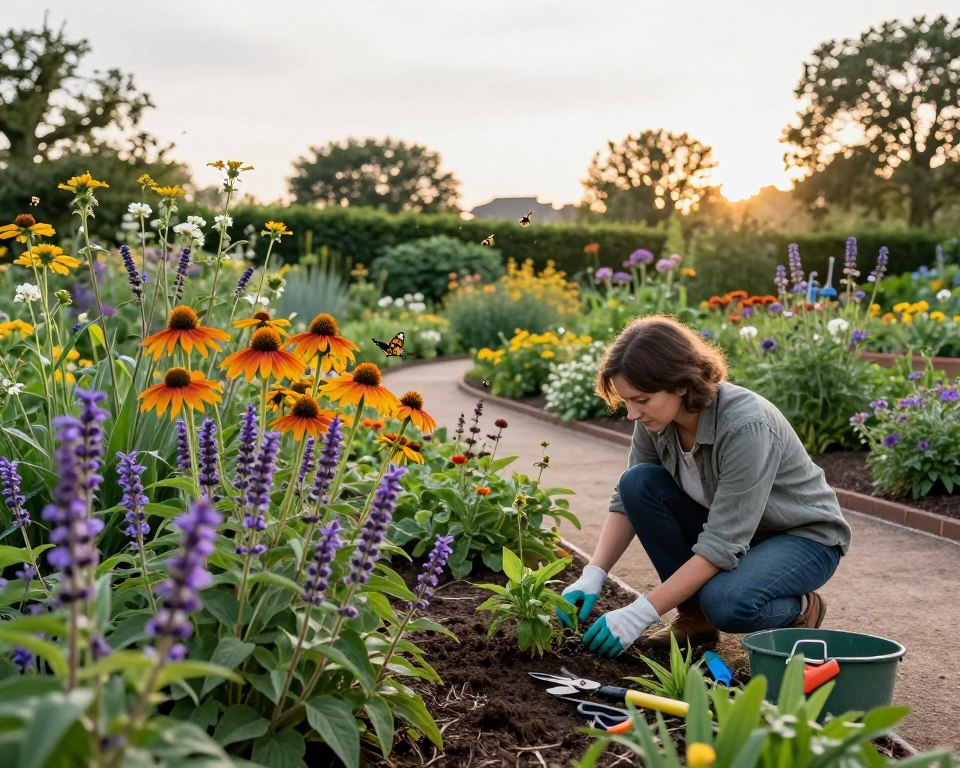
A native plant garden offers a captivating display of changing colors, textures, and wildlife activity throughout the year. Understanding seasonal changes enhances appreciation for these dynamic landscapes. Each season brings its own unique traits that not only contribute beauty but also play vital roles in local ecosystems.
Spring and Summer Blooms
During spring, native plants burst into bloom, providing a stunning array of colors. Flowers from species like coneflowers and black-eyed Susans thrive, attracting diverse pollinators such as bees and butterflies.
Summer continues the show, with plants like milkweed and goldenrod keeping the garden vibrant. The blooming periods of these species align perfectly with the life cycles of various wildlife, ensuring essential food sources during peak activity times.
Autumn Foliage and Seed Production
As autumn arrives, the vibrant greenery transforms into a beautiful tapestry of red, orange, and yellow. This seasonal change not only adds visual interest to your native plant garden but also signals the time for seed production.
Native grasses and perennials begin to shed seeds, which offer nourishment for birds and small mammals preparing for winter. These natural processes support biodiversity as the garden transitions into the cooler months.
Winter Interest and Protection
Winter brings a quiet beauty to a native plant garden. Although many plants go dormant, unique structures remain, offering visual interest even in cold weather.
The shapes and textures of grasses and seed heads stand out against frosty backgrounds, providing aesthetic appeal. Additionally, protecting plant roots through mulch and other techniques fortifies them against harsh winter conditions, ensuring a vibrant return in the spring.
Resources for Native Plant Gardening
Starting a garden with native plants brings many resources your way. Local gardening clubs are key. They connect people who love native plants. In these clubs, you learn together and share tips.
Local Gardening Clubs
Local gardening clubs are crucial for making friends with similar interests. They hold events and workshops to share gardening stories, trade plants, and learn from experts. Joining a club gives you great advice on the best native plants for your area.
Native Plant Societies and Organizations
National and regional groups help gardeners learn about native plants. These groups work to protect native species and offer classes, books, and trips. They teach how to grow native plants and why it’s good for the environment.
Online Tools and Apps
Today, digital tools make gardening easier. There are apps for figuring out what plant you have and how to care for it. These apps help both new and experienced gardeners find useful tips for their native plant gardens.
Inspiring Examples of Native Plant Gardens
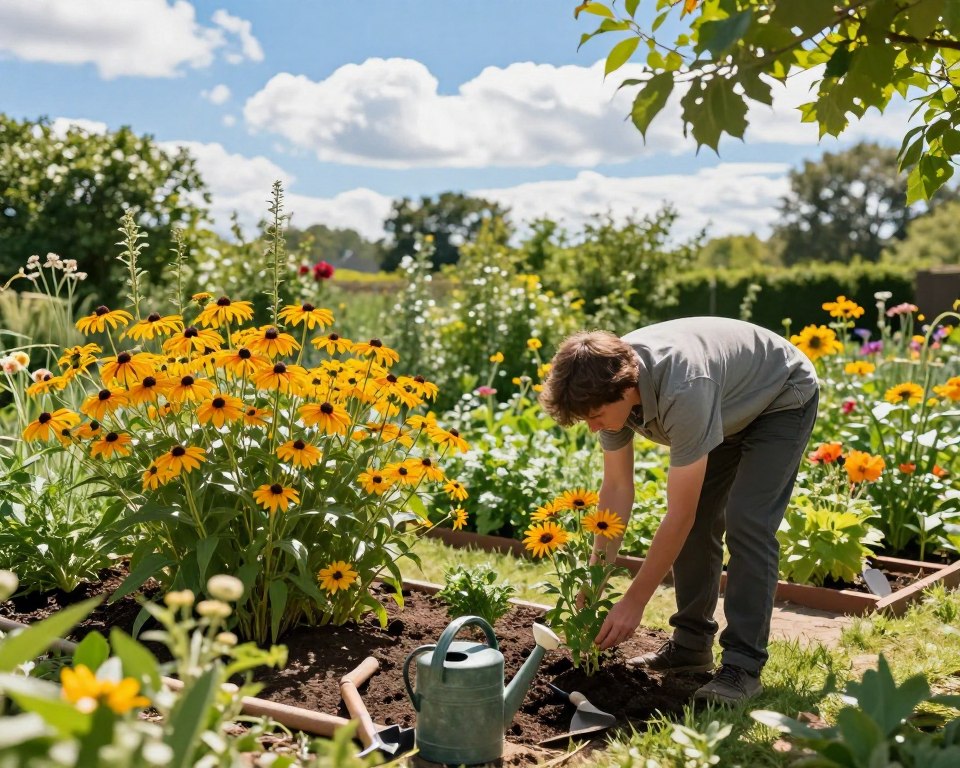
Exploring native plant gardens can really inspire anyone into eco-friendly landscaping. Looking at different gardens, we see they thrive anywhere and look amazing. They also help local wildlife. For example, some community gardens in the Midwest use native plants to make green spaces that do well all year. These gardens show what could happen in your own backyard.
Case Studies of Successful Gardens
The Chesapeake Bay Native Plant Garden has turned an unused area into a thriving spot. It’s full of native plants and shows why biodiversity matters. It draws in birds and insects and doesn’t need much water. Gardens like this one prove that good design can make a place look great and be good for the environment too.
Interviews with Native Gardeners
Talking to native gardeners, we learn about their struggles and successes. They offer advice on choosing and caring for plants, highlighting the importance of working together. Their stories teach us that native gardening is more than just caring for a garden. It’s about building a community.
Photographic Tours of Noteworthy Gardens
Virtual tours of amazing gardens show off native plants in all kinds of places. These pictures give us a close-up look at what’s possible with native plants. Whether in a city or in the countryside, these gardens show how native plants can make any area special and celebrate nature.




