ADVERTISEMENT
Did you know that having a garden at home could boost its value by up to 15%? Herb gardens are especially good, not just for improving your home’s worth, but also for making your food taste better. Knowing the best ways to arrange your herb garden helps use your space well and makes your garden look nicer. When you start planning your garden, using a good layout guide is key to having a successful and pretty herb area. Let’s learn how to design the best layout to make your gardening and cooking even more fun!
Key Takeaways
- A well-planned herb garden layout can increase property value.
- Maximizing space is essential for a productive garden.
- Incorporating aesthetics can enhance your garden’s beauty.
- Effective planning leads to better culinary uses of fresh herbs.
- Utilizing a garden layout planner adds structure to your efforts.
Understanding Herb Garden Layouts
Creating a great herb garden means thinking about the layout carefully. This design is the foundation of any flourishing garden. It shapes how well your herbs grow and how easy they are to care for. With smart design tips, your herbs can thrive without fighting over the sun and nutrients.
Why Layouts Matter
Layouts are key in making a healthy environment for your plants. A smart layout lets you place herbs where they’ll do best, considering their light and water needs. This not only leads to stronger growth but also makes gardening easier. Watering, pruning, and picking herbs become simpler. Each area’s unique conditions shape how you arrange your herbs, crucial for garden success.
ADVERTISEMENT
Benefits of Planning Your Space
Spending time on planning your herb garden has many benefits. An organized layout makes your garden look great and easier to enjoy. It also boosts efficiency in upkeep and picking herbs. By putting similar herbs together, caring for them gets easier. A well-planned herb garden enhances your outdoor space, making it a delightful culinary retreat.
Choosing the Right Location
Choosing the perfect spot is key to a successful herb garden. You must consider sunlight, how close it is to your kitchen, and the weather. These factors help ensure your herbs grow well and are easy to use when cooking.
Sunlight Requirements
Herbs need lots of sunlight, about 6-8 hours daily, to thrive. It’s important to see how much sunlight an area gets. A sunny windowsill is a great spot for herbs indoors. If you can, put your garden where it will get plenty of sunlight.
Proximity to Your Kitchen
Being able to quickly grab fresh herbs makes cooking more fun. Place your garden close to your kitchen to make cooking easier. This way, your kitchen prep becomes much simpler and quicker.
Wind and Weather Considerations
Strong wind and poor drainage can be bad for your herbs. Pick a spot protected from wind and where water doesn’t get stuck in the soil. If your garden spot isn’t perfect, using raised beds can help a lot.
Designing Your Layout
Designing an effective herb garden layout means thinking about different designs that fit your space and style. For beginners, these designs lay a strong foundation for a growing herb garden. A well-chosen design not only uses space wisely but also makes your garden look better.
Classic Row Layout
The classic row layout is straightforward and great for large gardens. It allows for easy access and neatly organized plants. This design helps plants get more sunlight and air, making it perfect for newcomers because it makes taking care of the garden simpler.
Raised Bed Gardens
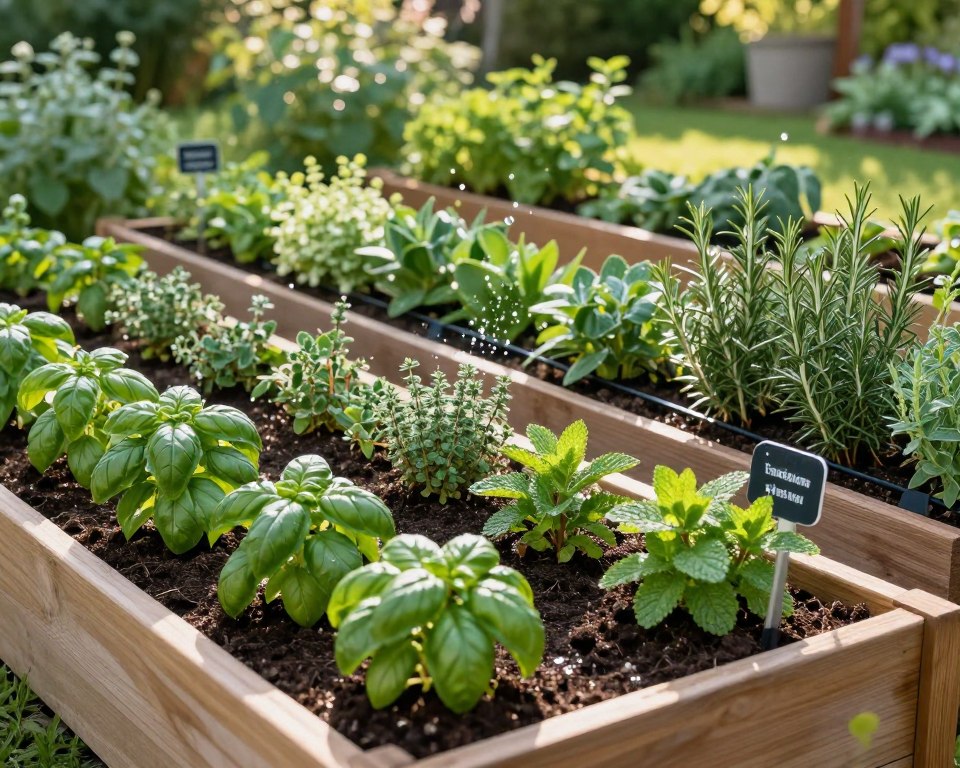
Raised bed gardens are perfect for improving soil quality and smart space use. They ensure better water drainage and can be filled with soil that helps herbs thrive. This design is great for beginners who might struggle with poor soil or lack gardening experience. Raised beds come in different shapes and sizes, making them a top choice for herb gardens.
Container Gardening Options
Container gardening fits well in small areas like balconies or patios. It’s a flexible way to try out herb garden designs for those just starting. With pots, you can move or add to your garden easily. This method also supports growing herbs in various conditions, allowing you to garden almost anywhere.
Selecting Your Herbs
Starting an herb garden means picking the right herbs. Mix culinary and medicinal plants for cooking, health, and a great smell. An herb garden layout planner makes it easy to see where each herb fits best.
Popular Culinary Herbs
Culinary herbs are key in your garden. Favorites include:
- Basil
- Mint
- Thyme
- Rosemary
- Oregano
These herbs add fresh tastes to your meals straight from the garden.
Medicinal Herbs to Consider
Some herbs also have medicinal benefits. Common choices are:
- Echinacea for immune support
- Lavender for relaxation
- Chamomile for digestive health
- Ginger for anti-inflammatory effects
- Peppermint for digestive relief
Adding these helps you get health perks and adds to your garden’s charm.
Companion Planting
Companion planting pairs up herbs for mutual benefits. Good matches are:
| Herb | Companions | Benefits |
|---|---|---|
| Basil | Tomatoes | Repels pests and enhances flavor |
| Chives | Carrots | Deters carrot flies |
| Mint | Beets | Repels pests |
| Marjoram | Oregano | Improves growth and flavor |
These combinations help your herb garden grow healthier and more fruitful.
Soil and Drainage Needs
Starting an herb garden for beginners means focusing on soil and drainage. Healthy herbs need good soil and the right amount of water. Understanding this helps your plants grow fully and avoids common problems.
Testing Your Soil
The first step for a great herb garden is to test your soil. Check the pH levels and what nutrients it has. You can get soil testing kits at garden stores to learn about your soil’s needs. This helps you make smart choices for your herb garden layout planner.
Improving Drainage
Herbs don’t like too much water. If your soil holds too much water, try using raised beds or pots that drain well. You can also mix in sand or gravel to help water flow better. These changes can greatly improve your herb garden’s health.
Organic Soil Amendments
Using organic materials can make your soil better without chemicals. Things like compost and old manure not only help the soil but add helpful tiny organisms. Going natural makes your garden better and helps your herbs grow strong.
| Soil Testing Factors | Recommended Action |
|---|---|
| pH Level (below 6.0) | Add lime to increase pH |
| pH Level (above 7.0) | Add sulfur to decrease pH |
| Nitrogen Deficiency | Add compost or fish emulsion |
| Potassium Deficiency | Add wood ashes or greensand |
Creating an Irrigation Plan
Keeping your herbs healthy needs a good irrigation plan. The right system boosts your herb garden’s health. There is a choice between efficient drip systems and the personal touch of hand watering. Knowing your options is key to the best herb garden designs.
Types of Irrigation Systems
Several irrigation systems offer unique benefits:
- Drip Irrigation: Sends water straight to the roots, reducing waste and maintaining consistent moisture.
- Soaker Hoses: Allow for slow watering, ideal for unique herb gardens.
- Sprinkler Systems: Best for big gardens, they cover large areas well.
Hand Watering vs. Automatic Watering
Hand watering means you can closely monitor plant health. It allows you to control the timing and amount of water, but it’s time-consuming. Automatic systems offer ease, great for busy days. They ensure plants get water regularly, no matter your schedule.
Watering Frequency and Timing
The need to water herbs varies with the weather and their needs. In hot weather, plants may need water every day to stay hydrated. It’s best to water early in the morning or late in the evening to cut down on evaporation. Keeping the moisture level steady is key for tasty, healthy herbs.
Seasonal Considerations
Timing is key for a great herb garden. Knowing when to plant and care for your herbs is crucial. An herb garden layout planner helps organize plants by seasons. Here’s how to do well in each season.
Spring Planting Tips
Spring is best for most herbs. Start by prepping your soil and checking drainage for healthy roots. Plant herbs like basil, cilantro, and dill in spring. Use your planner to place each herb where it will grow well.
Summer Maintenance Strategies
Summer means it’s time to care for your herbs. Trim and prune to keep plants healthy and not too crowded. Watch for pests like aphids and spider mites to keep herbs healthy.
Preparing for Fall and Winter
When it gets colder, get your herb garden ready. Save some herbs and bring others inside. Use containers you can move easily. This helps your herbs survive the winter and keep growing.
| Season | Activities | Recommended Herbs |
|---|---|---|
| Spring | Planting | Basil, Cilantro, Dill |
| Summer | Maintenance, Pest Control | Thyme, Oregano, Sage |
| Fall | Harvesting, Preparing for Winter | Rosemary, Chives |
| Winter | Indoor Care | Mint, Parsley |
Maintenance and Care
Caring for your herb garden is key to its success. It leads to full growth and plenty of herbs. Gardening regularly keeps the plants healthy and makes them last longer.
Routine Pruning
Pruning your herbs makes them grow thicker. By trimming the leaves and stems, your plants won’t get too tall and thin. Always prune about one-third of a plant, especially basil and mint, for the best shape.
Pest and Disease Management
Pests and diseases can really harm your herbs. Look closely at your plants for any bad signs, like discolored leaves. Catching issues early is crucial. Use natural pest control methods, like insecticidal soap or ladybugs, to keep problems away. A clean garden stops many problems before they start.
Harvesting Techniques
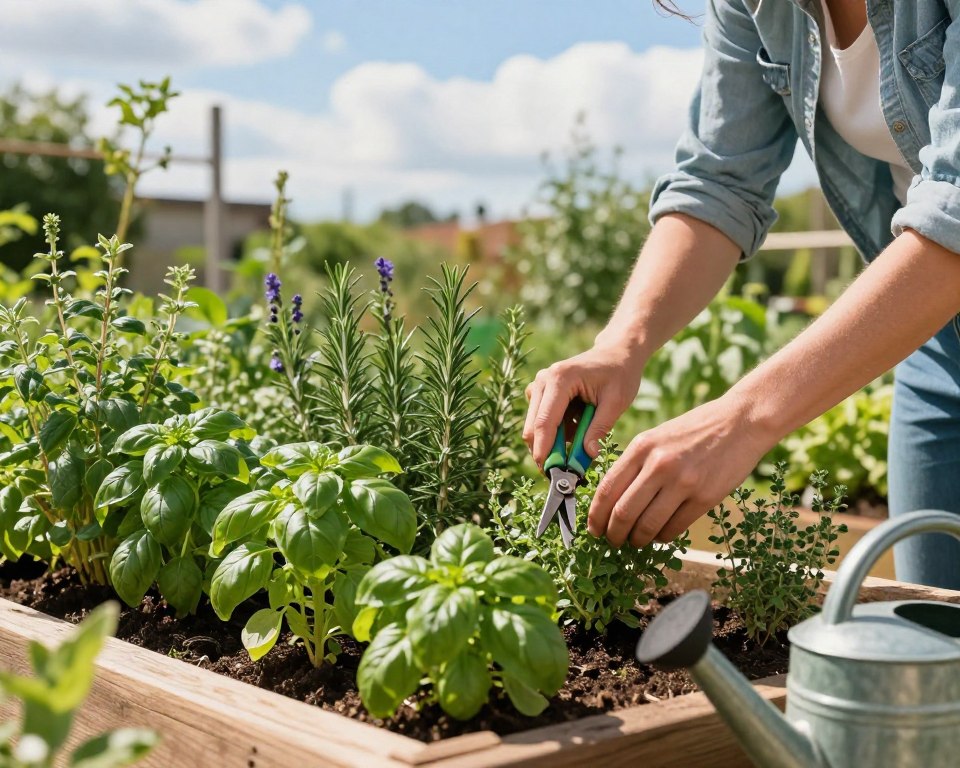
Harvesting the right way keeps herbs tasting great and growing back. Always cut leaves with sharp tools to prevent damage. For the best flavor, harvest in the morning after the dew has evaporated. This captures the herbs’ essential oils for your dishes.
Enjoying Your Herbs
The joy of having a herb garden comes from using what you grow. Adding fresh herbs to your meals can make them taste amazing. Adding basil to pasta sauce or parsley to grilled chicken shows how versatile they are.
Preserving your herbs lets you enjoy them all year. Drying and freezing keeps their flavor and freshness. This lets you use herbs from your garden in your cooking anytime.
Sharing herbs with loved ones makes gardening even more rewarding. Giving rosemary to a friend or teaching them about thyme enhances their cooking. It also builds a community of gardeners who appreciate their home-grown herbs.