

ADVERTISEMENT
Did you know that using lightweight structures can cut construction costs by up to 20%? It also reduces energy use a lot. This shows how good lightweight building methods are for changing how we build today. Architects and builders are now using new designs that save money and look great.
This section will explore new ideas in lightweight structure design. These designs use smart engineering and green methods. They are changing how we build to be more efficient and eco-friendly. You’ll see how these structures can make your next building project better and greener.
Key Takeaways
- Lightweight structures can reduce construction costs significantly.
- They promote energy efficiency, leading to lower operational costs.
- Innovative design solutions enhance aesthetic appeal.
- Sustainable architecture is increasingly embracing lightweight techniques.
- Smart engineering is key to maximizing efficiency in building practices.
Understanding Lightweight Structures
Lightweight structures are key in today’s building world. They use materials and designs to cut down on weight but keep strength and stability. This approach lets designers create buildings that are both functional and beautiful.
ADVERTISEMENT
What Are Lightweight Structures?
Lightweight structures use materials like steel, aluminum, and engineered wood. These materials make the building lighter without losing strength or durability. This allows for more creative designs, as traditional materials can limit what’s possible.
Benefits of Lightweight Designs
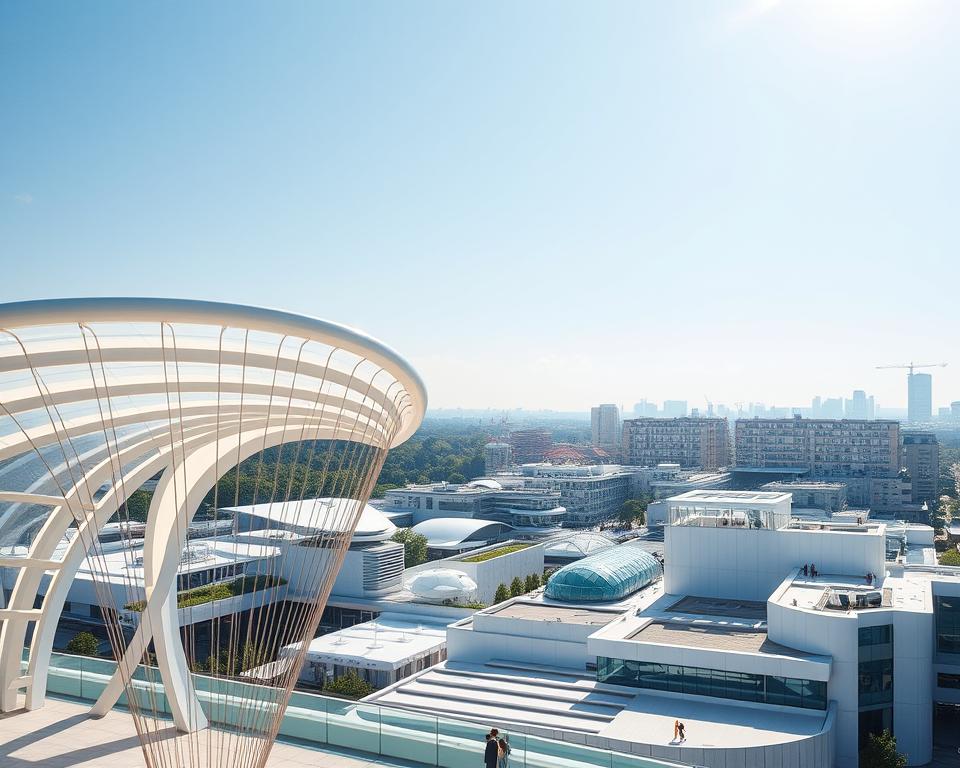
Lightweight designs offer more than just looks. They can save money by using less material and needing less labor. They also help the environment by using less energy during construction. This makes them a big part of the future of building.
Materials for Lightweight Construction
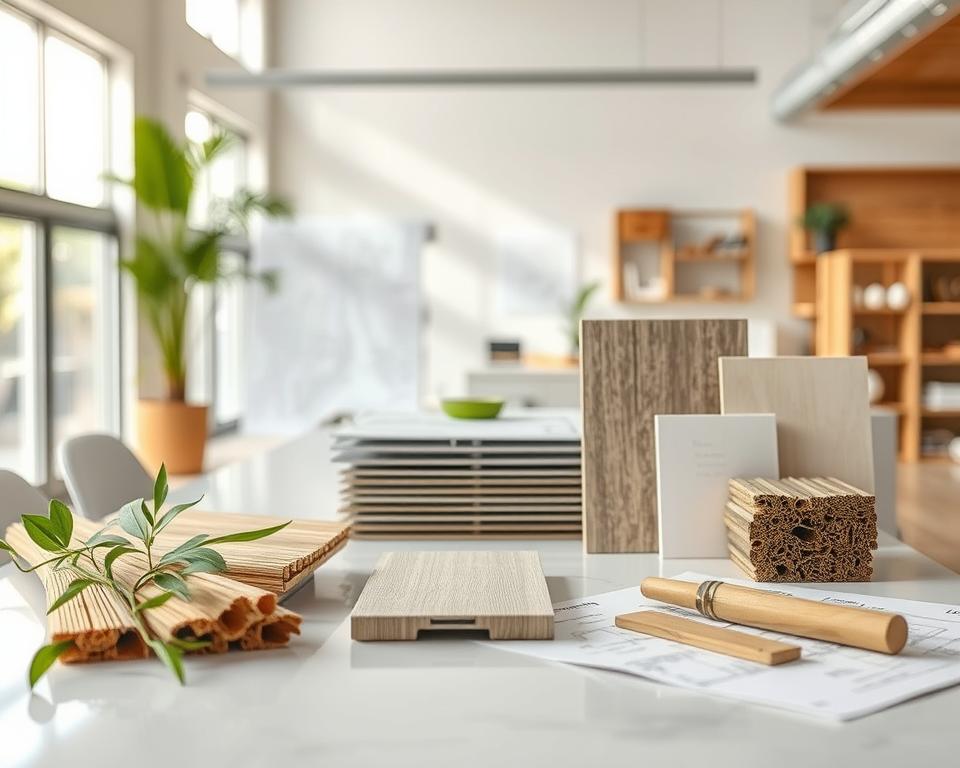
The choice of materials greatly affects the success of lightweight construction. New discoveries in material science have brought many options that boost performance and are better for the environment. Experts now focus on using sustainable materials that are both efficient and eco-friendly. We will look at some of the best lightweight materials and compare their strengths and weights.
Top Lightweight Materials
Several materials are top choices for lightweight structures because they are strong yet light:
- High-Strength Steel: This material is incredibly strong, allowing for thinner parts and less weight without losing strength.
- Engineered Timber: Types like glulam and cross-laminated timber (CLT) are strong and popular in modern building.
- Prefabricated Foam Boards: These boards are great for insulation and are very light, making them perfect for many construction needs.
Comparing Strength and Weight
Comparing different construction materials shows important details about their performance. Here’s a table with strength-to-weight ratios and other key features for some materials:
| Material | Typical Weight (lbs/ft3) | Tensile Strength (ksi) | Applications |
|---|---|---|---|
| High-Strength Steel | 490 | 100 | Beams, frames, reinforcements |
| Engineered Timber | 28-40 | 50-60 | Walls, roofs, flooring |
| Prefabricated Foam Boards | 0.5-2 | Various (insulation) | Insulation, wall panels |
This comparison of construction materials helps architects and builders pick the right materials for their projects. They use advanced methods to get the best results.
Design Principles for Efficiency
Effective lightweight structure design focuses on key principles. These ensure strength while optimizing efficiency. Designers use cutting-edge concepts to achieve durability and streamlined construction.
Advanced engineering techniques help use materials well. They also meet diverse aesthetic preferences.
Key Design Concepts
Architects and engineers use lightweight design principles to innovate. They minimize resource use. Material optimization and load distribution are key.
Geometrical configurations add rigidity without extra weight. These principles help create structures that do more with less.
Balancing Load and Aesthetics
Lightweight structures don’t have to lose their visual appeal. Designers aim to balance load-bearing with aesthetics. Parametric design offers flexibility, turning basic shapes into stunning pieces.
Smart choices lead to functional and captivating structures. This shows that lightweight design can result in striking results.
Applications of Lightweight Structures
Lightweight structures are becoming more popular in many fields. They show how new designs meet today’s needs. From homes to offices, they offer benefits for different needs. They mix function and creativity in building design.
Residential Builds
For homes, lightweight structures save space and energy. They help make homes that use less power. Architects use these designs for open spaces and big windows.
These homes cost less to build and are better for the planet. They show how good design can improve our daily lives.
Commercial Uses
In business, lightweight structures are key for stylish offices and shops. Companies like them because they can change easily. They make spaces look good and work well.
As people want new work and shopping places, these designs are in demand. They lead in making spaces that are both useful and attractive.
Temporary Structures
Lightweight structures are also great for short-term needs. They’re used for festival tents and trade show booths. They’re easy to set up and take down.
They make events look good without the need for permanent buildings. This shows how versatile lightweight structures are.
Innovations in Lightweight Design
The world of lightweight construction is changing fast. New ideas in structural engineering are pushing the limits of what’s possible. These changes make building more efficient and open up new design possibilities.
Advanced Technologies
3D printing and robotic automation are leading the way. These technologies make building complex structures easier. They also help reduce waste, fitting well with the green building trend.
Future Trends
Future designs will use smart materials that react to their environment. This means buildings can adjust to temperature, humidity, and even earthquakes. It’s a step towards buildings that are not just beautiful but also smart and safe.
Sustainable Practices in Lightweight Design
Sustainability is key in modern construction, like in lightweight design. Using eco-friendly materials is important to lessen environmental harm. Builders can use recycled steel and timber from sustainable sources. These materials are strong and good for the planet.
Eco-Friendly Materials
Choosing the right materials is vital for sustainability. Here are some good options:
- Recycled Materials: Using materials that have been used before cuts down on waste and energy.
- Sustainably Harvested Timber: Timber from well-managed forests helps keep nature balanced and stops deforestation.
- Bamboo: This quick-growing plant is a strong, light alternative to wood.
Reducing Waste
Building efficiently helps cut down on waste. Using precise prefabrication means no extra materials. Good material handling makes assembly easier and saves money. These steps help projects be more sustainable and cost-effective.
Cost-Effective Lightweight Solutions
Lightweight construction adds beauty to any project. It also saves money. When planning a build, knowing how to budget for lightweight solutions is key. This is because the initial costs might seem high due to new materials and methods.
Budgeting for Lightweight Builds
When budgeting for lightweight builds, consider the special materials used. These materials are durable and light. They might cost more upfront, but they save money on energy and maintenance later.
These savings add up over time. This means your structure will last longer and cost less in the long run.
Long-Term Savings
Lightweight designs save money in the long run. They use less energy and need less maintenance. This leads to lower energy bills and fewer repairs.
Looking at the big picture, choosing lightweight construction is smart. It saves money for both homes and businesses.
| Aspect | Traditional Construction | Lightweight Construction |
|---|---|---|
| Initial Costs | Higher due to materials | Usually slightly higher but worthwhile |
| Energy Efficiency | Moderate | High |
| Maintenance Costs | Regular upkeep required | Lower due to durable materials |
| Longevity | Variable | Typically longer-lasting |
Case Studies on Successful Lightweight Designs
Real-world examples show how creative designs can lead to amazing buildings. The Eden Project in the UK and the Serpentine Pavilion in London are great examples. They use special materials and methods to save space and weight.
Iconic Examples
The Eden Project has biomes with different plants, all in lightweight geodesic structures. This design uses less material but is engaging for visitors. The Serpentine Pavilion, designed by famous architects, also uses lightweight materials. It’s beautiful and focuses on being green and flexible.
Lessons Learned
Looking at these designs teaches us a lot for future projects. We learn the value of careful planning and choosing the right materials. Working together with architects, engineers, and builders helps avoid mistakes. By studying these examples, we can make sure new projects are strong and creative.
Tips for Implementing Lightweight Structure Ideas
Getting lightweight designs right needs good planning and clear talk. Start by learning about the materials and methods used in lightweight building. This research helps you avoid problems and find solutions early.
Planning and Preparation
Working with experts from the start is key. Team up with architects and builders who know lightweight designs well. This way, you get their help to make your ideas better.
Be realistic about how long things will take. Good building needs time and careful work. Make a detailed plan that includes your goals, budget, and design wishes. Keep talking to your team as you work on your project.
Working with Professionals
The right team is essential for success. Find experienced pros who get lightweight structures. They can guide you through the challenges of new building methods.
With a strong team and a clear plan, you’re set to create green and new buildings. This is a great way to make your architectural dreams come true.




