

ADVERTISEMENT
Did you know that about 90% of homes in the United States are built using wood? This shows how popular and important wood structure engineering basics are in building homes. Knowing about wood, different types of timber, and how to build with them is key for homeowners. It helps you create strong, beautiful, and green homes.
In this article, we’ll cover the basics of wood and timber construction. We’ll make sure you have the right knowledge for your home projects.
Key Takeaways
- Wood is the primary choice for about 90% of U.S. homes, highlighting its significance in construction.
- Understanding wood properties is essential for informed building decisions.
- Timber construction techniques can enhance the durability and aesthetics of projects.
- Sustainable practices in wood engineering contribute to eco-friendly building initiatives.
- Knowing the variety of wood types can impact project outcomes.
- This article serves as a guide for both beginners and seasoned DIYers in home construction.
Introduction to Wood Structure Engineering
Wood has been a top choice in building for a long time. It’s loved for its natural feel and flexibility. Learning about wood’s role in building shows why it’s so important today. It highlights how wood framing and sustainable wood construction are key.
ADVERTISEMENT
Understanding the Importance of Wood in Construction
Wood adds strength, beauty, and function to buildings. It’s also a green choice because it’s renewable. Using engineered wood products like laminated veneer lumber boosts building strength and saves resources.
These products help in creating new designs, showing a shift towards green building.
Benefits of Using Wood in Home Projects
Wood has many benefits for homes. It’s light, making it easy to move and set up. Wood also helps save on energy costs because it insulates well.
Wood makes homes look warm and welcoming. It’s also very flexible, fitting both old and new styles.
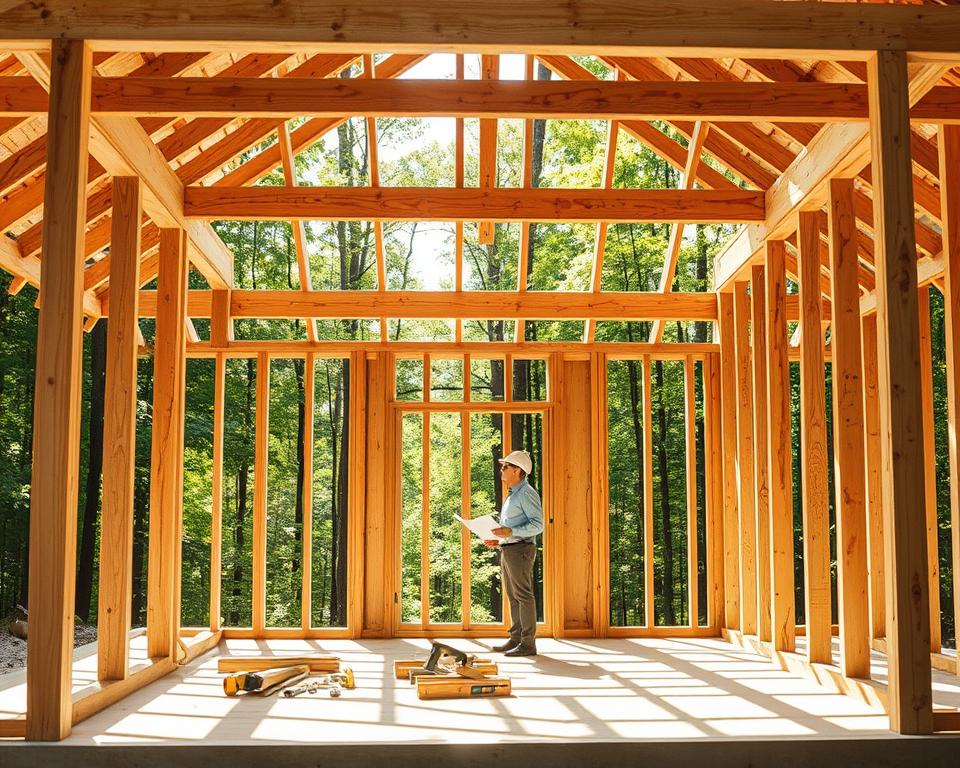
Using wood in building is a step towards being green. It offers practical benefits and connects us to nature, making our homes better.
Types of Wood Used in Construction
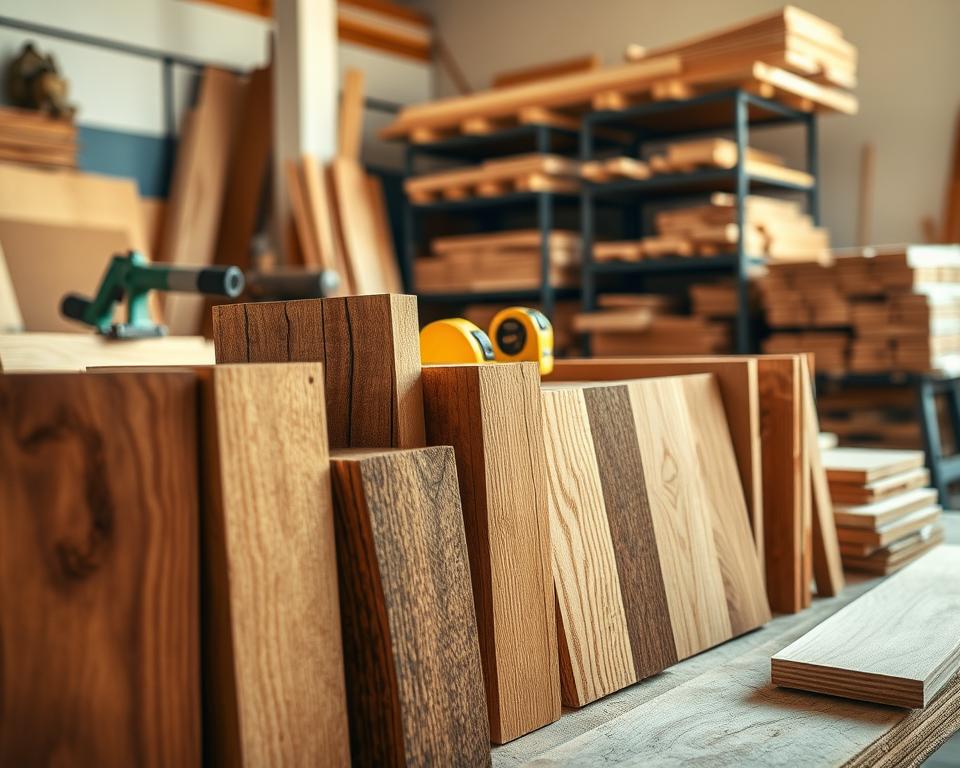
Knowing about different types of wood is key for those in wood structure engineering. Softwoods and hardwoods have big differences that affect a project’s quality and life span. Each type has its own traits, making some better for certain jobs.
Softwoods vs. Hardwoods: What’s the Difference?
Softwoods come from trees with needles and cones, like pine and cedar. They are light and easy to work with, great for frames and inside jobs. Hardwoods, from trees like oak and maple, are denser and last longer. They’re best for floors and furniture.
Common Wood Species and Their Uses
Some wood species are more popular in building. Here’s a quick look at a few:
| Wood Species | Type | Common Uses |
|---|---|---|
| Pine | Softwood | Framing, furniture, cabinetry |
| Cedar | Softwood | Outdoor furniture, decking, siding |
| Oak | Hardwood | Flooring, cabinetry, furniture |
| Maple | Hardwood | Flooring, cabinetry, musical instruments |
Selecting the Right Wood for Your Project
Choosing the right wood for a project needs thought. Think about:
- Durability: How will the wood handle the weather?
- Finish: Some woods look better with stain or paint.
- Intended Use: The wood’s job will guide your choice.
Grasping these wood aspects will improve any building project. It leads to better and lasting results.
Fundamental Concepts in Structural Engineering
Knowing the basics of structural engineering is key for construction projects, like those using wood. Different loads affect how a building is built safely. By understanding these loads, we make better choices during planning and building.
Load Types: Dead Load, Live Load, and Environmental Load
In structural engineering, there are three main load types:
- Dead Load: This includes the weight of permanent parts, like walls, roofs, and floors.
- Live Load: Temporary loads, such as people, furniture, and equipment, fall here.
- Environmental Load: This is from outside, like wind, snow, earthquakes, and temperature changes.
The Importance of Load-Bearing Walls
Load-bearing walls are vital for supporting a structure. They are even more important in wood structures. They carry vertical loads and resist side forces. Proper weight distribution reduces failure risks, making them key to any building plan.
Understanding Structural Framing Systems
There are many structural framing systems, each with its own benefits. They improve stability and strength. Some common ones are:
| Framing System | Description | Advantages |
|---|---|---|
| Post-and-Beam | Uses vertical posts and horizontal beams. | Creates large open spaces. |
| Platform Framing | Builds walls on a platform for each floor. | Cost-effective and simple to build. |
These systems help make structures stable and long-lasting. Knowing about load-bearing walls and framing systems is essential for building safe and lasting wooden structures.
Tools and Equipment for Wood Structure Projects
Starting a wood structure project needs a well-stocked workspace. The right tools make your work faster and more precise. Hand tools and power tools are key for different tasks, making sure your woodwork is clean, accurate, and durable.
Essential Tools for Woodworking and Construction
Building your toolkit? Don’t forget these must-haves:
- Saws: Circular saws and jigsaws are key for sharp cuts.
- Drills: A cordless drill is essential for holes and screws.
- Measuring devices: Use tape measures and speed squares for exact measurements and angles.
- Chisels: Important for detailed work and making joints.
- Clamps: Crucial for keeping pieces together during assembly.
Safety Gear: Protecting Yourself While You Work
Safety is a top priority in woodworking. Good safety gear reduces injury risks. Here’s what you need:
- Safety goggles: Keep your eyes safe from debris when cutting or sanding.
- Gloves: Wear tough gloves to protect your hands from sharp edges and splinters.
- Dust masks: Masks stop you from breathing in harmful dust from cutting or sanding.
- Ear protection: Earplugs or earmuffs protect your hearing from loud tools.
Designing Wood Structures
Designing wood structures requires a deep understanding of structural design principles. Using timber construction techniques is key. It makes sure the design is not only beautiful but also strong and stable. We will explore the main design principles and how to create a simple plan.
Principles of Design for Strength and Stability
Structural design is all about balance. It must be strong, stable, and look good. The main principles are:
- Load Distribution: Make sure loads are spread out evenly to avoid failure.
- Stability: Designs must stand up to movements and changes under loads.
- Lateral Support: Add elements to fight against swaying or twisting forces.
Creating a Simple Structural Plan
To make a simple plan, follow these steps:
- Define Project Requirements: Know the structure’s purpose and expected loads.
- Choose Materials: Pick the right wood species for strength and the environment.
- Sketch the Design: Draw your structure, focusing on size and connections.
- Verify Compliance: Make sure your design meets local building codes for safety and legality.
Building Codes and Regulations in the U.S.
Starting a wood structure project means you need to know the building rules. These rules keep everyone safe and healthy. Each area has its own set of rules, based on where it is and the weather. Following these rules is key to getting your project approved and keeping it safe for years.
Understanding Local Building Codes
Local building codes control how you build, even what materials you use. Each place has its own rules, based on safety and the environment. It’s important for homeowners and builders to know these rules before they start. They often need to talk to local building offices to learn what rules apply to wood projects.
Importance of Permits for Wood Structure Projects
Getting permits is a big part of building. Permits show that your project meets local rules and laws. Without them, you could face big fines or even have to tear down your work. Talking to local officials early can help avoid problems and save money.
| Aspect | Permits Required | Compliance Responsibility |
|---|---|---|
| New Construction | Building Permit | Owner/Builder |
| Renovation | Renovation Permit | Contractor |
| Electrical Work | Electrical Permit | Licensed Electrician |
| Plumbing Work | Plumbing Permit | Licensed Plumber |
| Demolition | Demolition Permit | Owner/Contractor |
Proper Joinery Techniques
Understanding wood joints is key in wood construction. Good joinery makes your projects look great and strong. If you’re into DIY, this section will teach you about mortise and tenon, dovetail, and lap joints. You’ll get the skills you need for your projects.
Common Types of Wood Joints
- Mortise and Tenon: A classic joint that makes strong, rigid connections.
- Dovetail Joint: Great for drawers, combining strength with beauty.
- Lap Joint: Easy to make and has a wide surface for gluing.
- Butt Joint: Simple and perfect for beginners, joining two pieces end to end.
DIY Joinery: Tips for Beginners
Starting your wood joinery journey? Here are some tips:
- Choose quality tools like a chisel, saw, and clamps for precise cuts.
- Practice on scrap wood to improve your skills before your project.
- Use wood glue with mechanical fasteners for extra strength.
- Make sure to align properly using a square for accurate joints.
Wood Treatment and Preservation
Treating wood is key to keeping it strong and lasting longer. Wood preservation methods protect against moisture, pests, and decay. Using the right treatment methods makes wood more durable, keeping buildings solid over time.
Importance of Treating Wood for Longevity
Wood can get damaged by moisture, insects, and fungi. Treating wood with preservation techniques helps fight these dangers. Good treatment keeps the wood looking great and strong, lasting for years.
Common Treatment Methods to Consider
There are many wood preservation methods, each with its own benefits:
- Pressure Treatment: This method uses a vacuum to push preservatives deep into the wood, giving long-lasting protection.
- Chemical Preservatives: Chemicals can be applied to wood to keep pests away and prevent decay. The choice depends on how the wood will be used.
- Natural Oils: Plant-based oils can soak into wood, creating a protective barrier while keeping its natural look.
- Stains and Sealants: These coatings improve wood’s look and add protection against the weather.
It’s important to keep treated wood in good shape. Regular checks and reapplying preservatives as needed will help wood structures stay in top condition.
| Treatment Method | Benefits | Common Uses |
|---|---|---|
| Pressure Treatment | Deep penetrative protection against insects and rot | Decking, utility poles |
| Chemical Preservatives | Prevents decay and pest infestation | Outdoor furniture, building foundations |
| Natural Oils | Eco-friendly option, enhances grain visibility | Interior furniture, siding |
| Stains and Sealants | Adds color and surface protection | Exterior wood surfaces, crafts |
The Role of Insulation in Wood Structures
Insulation is key to making wood homes cozy and energy-efficient. When building a wooden home, knowing about insulation is vital. It helps create a warm and green living space. Today, many materials help cut down energy bills and boost comfort.
Types of Insulation for Wooden Homes
Wood-framed homes can use several insulation types, each with its own benefits:
- Fiberglass: It’s a popular choice because it’s affordable and works well. It’s made from glass fibers and comes in batts or loose-fill.
- Cellulose: This eco-friendly option is made from recycled paper. It offers great thermal performance when installed right in wood homes.
- Spray Foam: This insulation expands to fill gaps, making a tight seal. It’s known for its energy-saving abilities and reducing air leaks.
Benefits of Insulation in Wood Structures
Using the right insulation brings many advantages, boosting energy efficiency in wood homes:
- It lowers energy bills by keeping temperatures steady indoors.
- It improves air quality by reducing drafts and controlling humidity.
- It makes homes warmer and more comfortable all year, making them cozier.
Sustainable Practices in Wood Engineering
In wood engineering, sustainability is key. It helps protect the environment and keeps your projects strong. Choosing eco-friendly wood is a big step towards helping the planet and your home.
Choosing Sustainable Wood Products
When picking materials, go for wood that’s certified as sustainable. This includes wood from well-managed forests or reclaimed wood. It’s good for the planet and supports a circular economy.
Benefits of Eco-Friendly Building Practices
Using eco-friendly building methods has many benefits:
- Improved energy efficiency: Sustainable wood can make buildings use less energy for heating and cooling.
- Lower carbon footprint: Sustainable materials cut down on greenhouse gas emissions from building.
- Enhanced indoor air quality: Natural materials make homes healthier by avoiding harmful chemicals in synthetic materials.
- Waste reduction: Sustainable practices aim to reduce waste, including recycling materials.
Common Issues in Wood Structure Projects
Wood structures face many challenges over their lifetime. It’s important to tackle these problems quickly to keep the wood looking good and strong. Issues like warping, cracking, and damage from moisture are common. Knowing these problems helps ensure your wooden project lasts a long time.
Identifying and Addressing Common Problems
Wood reacts to its surroundings. Warping happens when moisture levels change, causing wood to bend. Cracking can come from bad weather or drying wood wrong. Moisture getting into wood is a big problem, as it can cause rot or mold. To fix these issues, you can:
- Choose high-quality wood that’s made to last.
- Make sure there’s good air flow where moisture might gather.
- Keep an eye on the wood for any signs of damage or wear.
Maintenance Tips to Extend Lifespan
Keeping your building in good shape is key to making wood last longer. Regular checks can spot small problems before they get big. Here are some tips for upkeep:
- Do thorough checks every six months.
- Fix any damage or wear right away.
- Use protective layers to keep wood safe from moisture and sun.
By following these maintenance tips, you can keep your wood structure looking great and lasting for many years.
Conclusion: Bringing It All Together
As we finish our look at wood structure engineering basics, it’s key to remember the main points. Knowing the types of wood, the role of load-bearing walls, and joinery techniques is vital. Also, understanding local building codes is important to avoid problems and ensure your design is safe.
With a solid grasp of wood structure engineering basics, you’re ready to move forward in your woodworking. Whether you’re building a deck, a shed, or custom furniture, the knowledge you’ve gained is useful. Wood is a wonderful material for construction, and it’s time to let your creativity shine!




