ADVERTISEMENT
Your grocery bill can rise even when your shopping list stays the same. Prices, weather, and daily routines can change what you spend each month. These shifts can make monthly cash flow harder to predict.
A variable expenses budget gives these changing costs a clear plan. Groceries, utilities, gas, clothing, and entertainment fit different spending categories. Variable costs are not always optional, so a realistic budget allows normal changes.
ADVERTISEMENT
Key Takeaways
- Variable expenses can change with prices, use, timing, or lifestyle.
- Some variable costs, such as groceries and utilities, are essential.
- A flexible plan can help make monthly cash flow more predictable.
- Planning for normal shifts is more practical than expecting identical months.
Start by separating changing costs from fixed bills
Begin by separating steady bills from costs that change each month. Rent, insurance premiums, and loan payments are usually predictable. Variable expenses may rise or fall with your habits, prices, or plans.
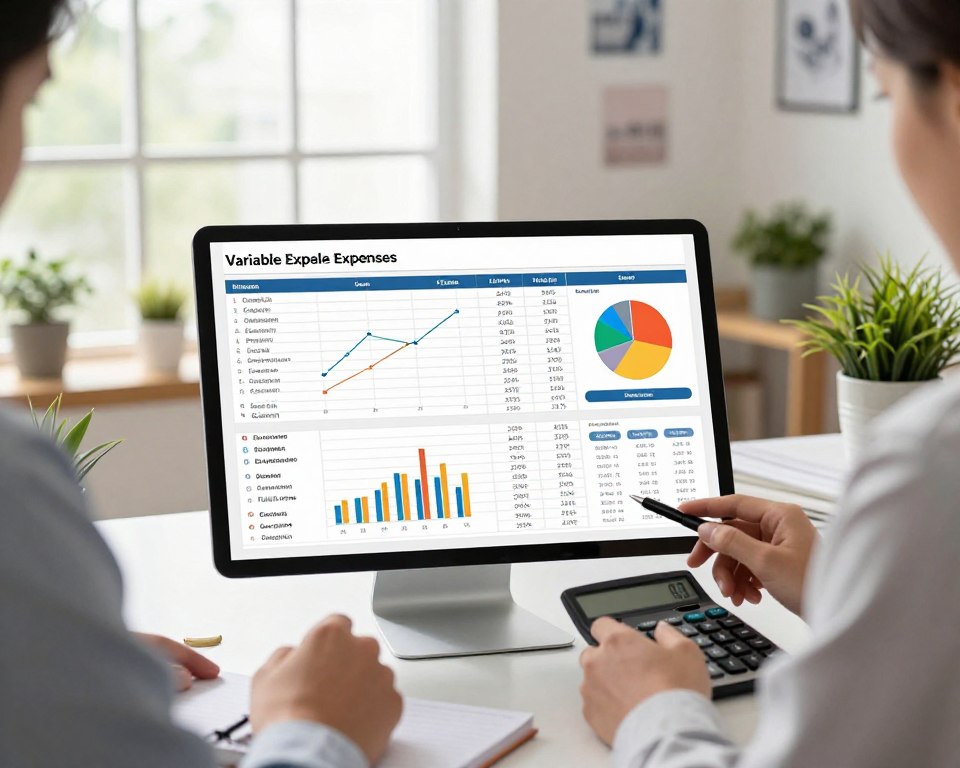
Variable essentials such as groceries and gas
Groceries, fuel costs, basic supplies, and some utility bills are needs, but their costs can change. A cold snap may raise heating costs, while a longer commute may mean more trips to the pump. Some bills combine a steady base charge with usage fees or add-ons.
Flexible spending such as dining out and entertainment
Dining out, hobbies, travel, and streaming services count as discretionary spending. These costs are easier to adjust than rent or groceries. Track them separately from essentials to see where a small change may free up cash.
Irregular costs such as car repairs and annual fees
Car repairs, annual renewals, celebrations, and periodic fees may not appear every month. They still belong in your plan. Note when they may occur, and set aside money before the due date.
| Expense type | Examples | What can change |
|---|---|---|
| Fixed bills | Rent, loan payments, insurance | Usually steady in amount or timing |
| Variable essentials | Groceries, gas, utility bills | Use, prices, or weather |
| Flexible costs | Dining out, hobbies, entertainment | Your choices and plans |
| Irregular costs | Repairs, annual fees, celebrations | Timing and the size of the bill |
Build a realistic baseline from your recent spending
Review your last 60 days of bank and credit card transactions. Group purchases into spending categories, such as groceries, gas, and dining out. Add each group, note high costs, and use this expense tracking to see what your variable expenses budget must cover.

Compare those totals with averages from several months. Use them as a guide, not a strict limit. A high bill may be a one-time spike, but steady increases show lasting change; update estimates as spending trends shift.
Account for seasonal expenses before they surprise you
Some costs rise or fall with the season. Heating and cooling can change utility bills. Travel and fuel costs may shift with your plans.
Repairs, celebrations, annual subscriptions, and periodic fees may seem unexpected in a monthly budget. Review these costs across the full year to spot patterns and set money aside early.
Planning for seasonal expenses can protect your monthly cash flow. It can also reduce the chance of borrowing when a bill comes due.
Set a monthly limit for every variable category
Give each variable cost a monthly limit to track where your money goes. Set a realistic range for spending categories that change from month to month. For groceries, allow for price changes and shifts in your household’s needs.
Cover essential variable expenses before setting limits for dining out or other discretionary spending. A 50/30/20 budget offers a starting point: about 50% of income for needs, 30% for wants, and 20% for savings. You might keep a 5–10% buffer for necessities to help handle higher bills.
Create a variable expenses budget you can reuse
Use this variable expenses budget each month, and update numbers as your needs change. A clear layout shows where your money goes.
Category
List spending categories such as groceries, utilities, transportation, dining out, personal care, and entertainment.
Planned amount
Set a target or small range for each category to cover normal changes. Keep a variable buffer for surprise costs.
Actual spending
Record purchases as they happen. Envelope budgeting helps you assign funds and see what remains in each category.
Amount remaining
Subtract actual spending from the planned amount. For example, a $500 grocery plan with $320 spent leaves $180.
| Spending category | Planned amount | Actual spending | Amount remaining |
|---|---|---|---|
| Groceries | $500 | $320 | $180 |
| Transportation | $200 | $145 | $55 |
| Dining out | $120 | $85 | $35 |
| Variable buffer | $75 | $0 | $75 |
Track each purchase as the month unfolds
Record each purchase in a budgeting app, spreadsheet, or journal. You can also review bank and credit card transactions. Group expenses by category to compare actual spending with your plan.
Mark groceries and fuel costs when they occur. Automatic categories save time, but entering purchases by hand can show where your money goes.
Expense tracking should reveal patterns without adding stress. A weekly or monthly review may be enough; you do not need to watch every purchase in real time.
Use weekly checkpoints to catch overspending early
Set aside a few minutes each week to compare spending with your plan. Check each category’s total and what remains. A quick review can show when costs are rising while you still have time to adjust.
Review essential costs and upcoming bills before changing your variable expenses budget. A costly week may be an exception, so compare it with past spending before making a cut. This can help protect your monthly cash flow.
If frequent expense tracking feels stressful, review fewer details or check in less often. A simple routine you can keep up with is more useful than a strict plan you abandon.
Cut flexible costs without shortchanging essentials
Start with needs, not wants. Food, transportation, and basic services still matter when costs change. Set aside money for essentials before choosing your discretionary spending amount.
Small habits can lower the cost of groceries. Plan meals, use what you have, compare store prices, and seek coupons or bulk deals for items you use often. To lower utility bills, turn off unused lights and electronics.
Air-dry dishes and use smaller appliances when practical.
Dining out, hobbies, travel, and some subscriptions can shift with your budget. Try a library event, local park, or community center for low-cost fun. Nearly 30% of Americans say they overspend on luxuries and comforts.
In a 2024 Federal Reserve survey, 37% said their spending rose, while 32% said their income rose.
Move money between categories when plans change
When a bill costs more, move money from another category before your plan falls apart. Protect rent, utilities, groceries, and other basic needs first. This keeps your monthly cash flow on track.
If grocery costs rise, check whether prices changed, your routine shifted, or your estimate was too low. Use the overage as helpful information when adjusting your spending categories.
When money is tight, cut discretionary spending before cutting essentials. Keep a small budget buffer, so surprise costs do not force a choice between basic needs and savings.
Save gradually for predictable nonmonthly expenses
Some costs arrive only a few times yearly, but they rarely surprise you. Travel, celebrations, car repairs, annual subscriptions, and seasonal expenses need steady savings.
Create a separate sinking fund for each goal. Divide the expected cost by the months before the bill arrives, then save that amount monthly.
This plan protects your monthly cash flow and keeps large bills from pushing you toward debt.
If your income changes monthly, base your plan on a conservative estimate. Save extra during higher-income months, and include regular transfers in your variable expenses budget.
| Expense | Yearly target | Monthly savings |
|---|---|---|
| Travel | $1,200 | $100 |
| Car repairs | $600 | $50 |
| Annual subscriptions | $240 | $20 |
| Celebrations and gifts | $360 | $30 |
Review your actual spending and update next month’s plan
Compare your plan with your actual spending in each category. Expense tracking shows whether your estimates match real life. Watch groceries and fuel costs because prices and routines can change each month.
If a category goes over budget, find the cause. Higher prices, seasonal needs, a new routine, or a one-time bill may explain the gap. Compare spending across several months before changing your plan; one unusual expense may not show a lasting trend.
Review your spending categories every few months or when seasons change. Adjust estimates when the pattern supports a change. A budget is a tool, not a test, so treat an overage as useful information.
Keep the budget simple enough to use every month
A useful variable expenses budget need not track every small purchase. Focus on categories that keep you aware, including groceries, gas, and dining out. Use realistic ranges and allow room for normal changes.
Track fixed bills, essential costs, and flexible spending to follow your monthly cash flow. Automate recurring payments and savings when possible. Check variable spending during the month, and try envelope budgeting for clear category limits.
Choose a method that fits your income, schedule, and habits. Review your spending, adjust for changing costs, and keep the plan easy to repeat. Your budget can support steady progress without requiring a perfect month.