

ADVERTISEMENT
The 50 30 20 budget rule divides every $100 of take-home pay into three clear targets. Set aside $50 for needs, $30 for wants, and $20 for savings or financial goals. This take-home pay allocation shows where your money goes without tracking each coffee or grocery item.
Use this needs wants savings plan as a starting point, not a strict test. Reviewing your spending can help you make choices that fit your life and plan for what matters next.
Key Takeaways
- The rule divides take-home pay into three spending groups.
- Needs, wants, and savings each have a target share.
- It offers a simple alternative to tracking every purchase.
- Reviewing expenses can reveal ways to prepare for future goals.
- You can adjust the percentages to fit your financial situation.
How the 50/30/20 rule divides your take-home pay
The 50 30 20 budget rule gives every part of your take-home pay a clear job. It sets aside 50% for needs, 30% for wants, and 20% for savings and debt payments. This take-home pay allocation shows where your money goes each month.
ADVERTISEMENT

50% for essential needs
Needs cover costs required for living and working. They include rent or a mortgage, utilities, groceries, health care, transportation, insurance, and childcare. Also count minimum loan and credit card payments here.
30% for wants and flexible spending
Wants are optional costs that add comfort or fun. Restaurant meals, subscriptions, hobby supplies, concerts, and vacations fit this group. The needs wants savings split becomes easier when you sort each purchase by its role.
20% for savings and debt payments
Use this share for emergency savings, retirement, investments, education, or a home down payment. Extra debt repayment belongs here, too. Keep minimum payments in needs, but use extra payments to reduce your balance faster.
Why the 50/30/20 rule works as a starting point
The 50 30 20 budget rule groups spending into three broad areas: needs, wants, and savings. It shows whether your income covers bills, allows fun, and supports future goals without tracking every purchase separately.
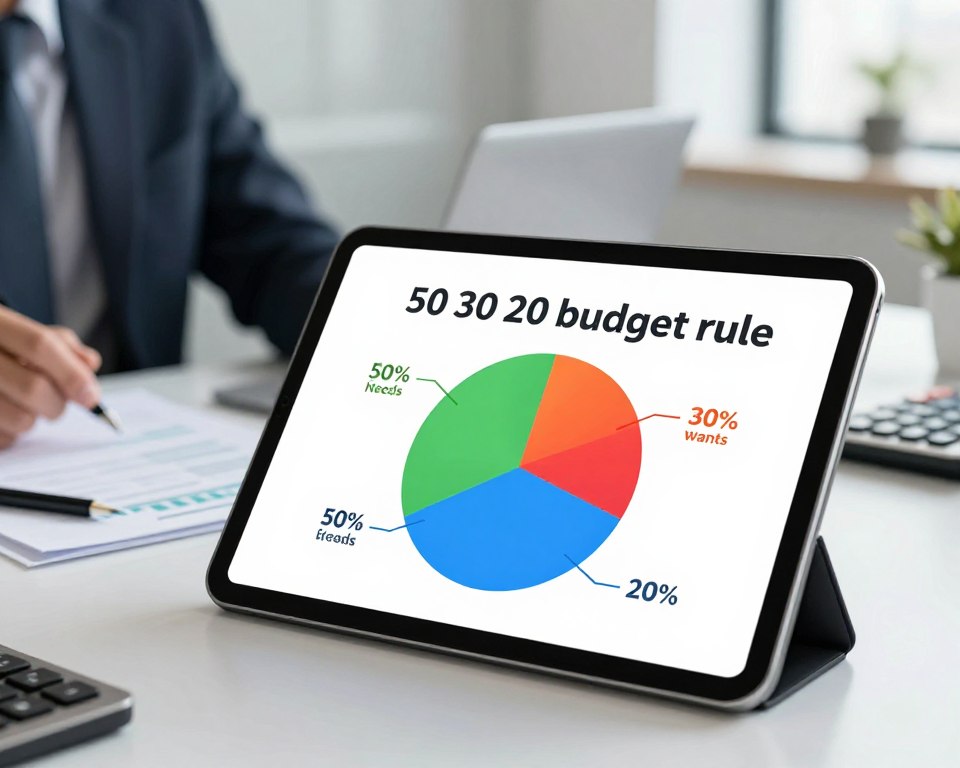
A detailed budget can take time to manage. These percentage targets provide a simple way to compare spending with a basic plan and spot areas needing attention.
Unlike zero-based budgeting, which gives every dollar a specific job, this approach uses category percentages as a guide. The needs wants savings framework can help you create a plan that fits your daily life.
How to calculate the income you can budget
Base your 50/30/20 plan on monthly income after taxes, not gross salary. Gross pay is what you earn before taxes and other deductions.
Choose one income figure and use it each month. For a simple take-home pay allocation, use the amount deposited in your bank account. Check your pay stub to see whether health insurance premiums and retirement contributions were already deducted.
If you budget from your deposit, do not count payroll deductions twice. If you start with pay after taxes but before those deductions, include them in your budget. This keeps fixed and variable expenses in the right categories and helps prevent double counting.
How to sort expenses into needs, wants, and goals
Review recent bills and purchases. Sort each expense by its purpose. This makes the needs wants savings split easier to follow when costs change monthly.
Identify essential monthly bills
List housing, utilities, groceries, health care, transportation, insurance, and childcare as needs. Include required minimum payments on credit cards and loans. Note which costs are fixed and variable expenses: rent may stay steady, while a utility bill can change.
Separate optional spending from necessities
Ask whether each cost is essential or optional. Groceries are a need. Dining out, streaming services, gym memberships, hobby supplies, spa treatments, designer clothes, and event tickets are usually wants.
Include savings and extra debt payments
Set aside savings for future goals, such as an emergency fund or a home purchase. Include any debt repayment above the required minimum, too.
How to build your first 50/30/20 spending plan
Start with your monthly take-home pay. The 50 30 20 budget rule gives you a clear target for needs, wants, and savings or debt payments. For $4,000 in take-home pay, aim for $2,000, $1,200, and $800 in each group.
Review your bank and credit card statements from the past one to three months. Add up each type of expense and compare it with your targets. This cash flow tracking shows which categories need the most attention.
Choose a few changes you can keep up. Check dining out, food delivery, and subscriptions you rarely use.
For groceries, try store brands or compare prices at Aldi or Grocery Outlet. Small changes can bring your take-home pay allocation closer to plan.
| Category | Target share | Target on $4,000 | Spending to review |
|---|---|---|---|
| Needs | 50% | $2,000 | Housing, utilities, groceries, and transportation |
| Wants | 30% | $1,200 | Dining out, delivery, and unused subscriptions |
| Savings and debt | 20% | $800 | Savings deposits and extra debt payments |
What to include in the 20% savings and debt category
This part of your budget supports future plans and debt repayment. Give each goal a clear purpose, so you know where your money goes.
Build an emergency fund
Set aside money for surprise costs, such as a car repair or medical bill. An emergency fund helps cover these costs without relying on a credit card. Add a set amount each month.
Save for short- and long-term goals
Use this category for retirement accounts, investments, education savings, and larger plans. You might save for a 401(k), an IRA, a 529 plan, a home down payment, or a vehicle.
For planned costs like holiday gifts or a vacation, save a little each month in separate sinking funds. This makes each expense easier to manage when the time comes.
Pay down high-interest debt
Make at least the required minimum payment on every debt. Put extra money toward debt repayment when you can. Consider automatic payments above the minimum to help lower balances over time.
How to adjust the percentages for your financial situation
The 50 30 20 budget rule is a starting point, not a strict test. High rent or child care costs can raise needs above half of your take-home pay. Adjust your take-home pay allocation to match your real costs.
A 60/30/10 plan may suit a high-cost area or a time of heavy child care expenses. Review fixed and variable expenses before changing the shares. If saving or paying off debt is a top goal, trim wants and direct more money to that category.
Costs can shift over time, so update your plan when they do. Paying off a student loan can fund savings or larger payments on a car loan, mortgage, or other debt.
How to use the rule with irregular income
When pay changes from month to month, base your take-home pay allocation on money received, not expected income. This keeps you from spending a future paycheck before it arrives.
Start with essential bills and costs due soon. Set aside money for these needs before planning wants or savings. If income is higher than usual, save some cash for a lower-income month.
Use cash flow tracking to compare income with spending over several months. Review whether your needs wants savings mix still fits. Adjust the percentages when your income pattern or bills change.
| Income pattern | Budgeting approach | What to review |
|---|---|---|
| Pay varies each month | Use money received as your budget base | Cover bills due before the next payment |
| Higher-than-usual income | Set aside extra cash for future costs | Check savings goals and upcoming bills |
| Lower-than-usual income | Focus on essential needs first | Reduce flexible spending if needed |
How to track spending and update your budget each month
Review one to three months of bank and credit card statements. Group your spending by category, then compare each total with your plan. This cash flow tracking routine shows where your budget needs attention.
Focus on the categories with the biggest differences. Check fixed and variable expenses, including rent, utilities, groceries, and dining out. Use pen and paper to list costs and spot patterns.
Make one small change at a time. Pause a subscription you no longer use, take a grocery list to the store, or move $25 into savings. Set a realistic target for your emergency fund and planned purchases.
Automatic payments and transfers can keep bills, debt payments, savings, and investments on schedule. Review the amounts each month to ensure they fit your income and goals.
| What to review | How to check it | Possible next step |
|---|---|---|
| Fixed and variable expenses | Compare statement totals with your monthly plan. | Adjust a category that regularly runs over budget. |
| Flexible spending | Look for small purchases or unused subscriptions. | Use a grocery list or cancel a service you do not need. |
| Emergency fund | Check your balance against your savings target. | Schedule a realistic automatic transfer. |
| Debt and planned purchases | Confirm payments and transfers match your goals. | Update amounts when your budget or priorities change. |
Common mistakes that make the 50/30/20 rule harder to follow
Treating the 50 30 20 budget rule as a strict test can make budgeting feel stressful. Rent, child care, or health costs may push essential spending above 50%, but your plan has not failed. Adjust the targets to fit your needs.
These broad categories may not provide enough detail for tracking every purchase. Sorting fixed and variable expenses can show where your money goes. Needs and wants can shift over time, so review your plan as life changes.
Other methods may suit you better. One option is zero-based budgeting, which gives every dollar a job. The envelope system can limit impulse buys.
Reverse budgeting puts savings first, but leave enough for bills to avoid overdrafts or missed payments.
Conclusion
The 50 30 20 budget rule gives you a clear place to start. It divides take-home pay among needs, wants, and savings.
Adjust the percentages as your income, bills, and goals change.
Your savings category can cover an emergency fund, retirement, and sinking funds for planned costs. Extra payments toward high-interest debt can support your debt repayment plan. Automatic transfers from checking to savings can make saving easier.
Choose a plan that fits your life, then review it each month. Savings accounts and share certificates are two options for setting money aside. A financial planner can help shape a budget around your needs and goals.




