ADVERTISEMENT
A reported late payment can stay on your credit report for up to seven years. A monthly bills checklist tracks due dates, prevents late fees, and shows how much of each paycheck covers household bills.
Use it with your budget to keep payment details in one place. A simple bill payment tracker helps you spot tasks before a due date passes.
ADVERTISEMENT
Key Takeaways
- List each bill, amount, and due date.
- Track how you pay each account.
- Use your budget to plan for bill costs.
- Review payments to catch issues early.
- Update the checklist each month.
Gather every bill, account, and payment statement
Start by collecting paper bills and electronic statements for every account you pay. Include household services, credit cards, loans, and subscriptions. Complete records give your monthly bills checklist a reliable starting point.
Keep paper bills in one folder or accordion file. Create email folders for bills to pay and statements to keep. This simple bill organization system helps you find due dates and old charges.
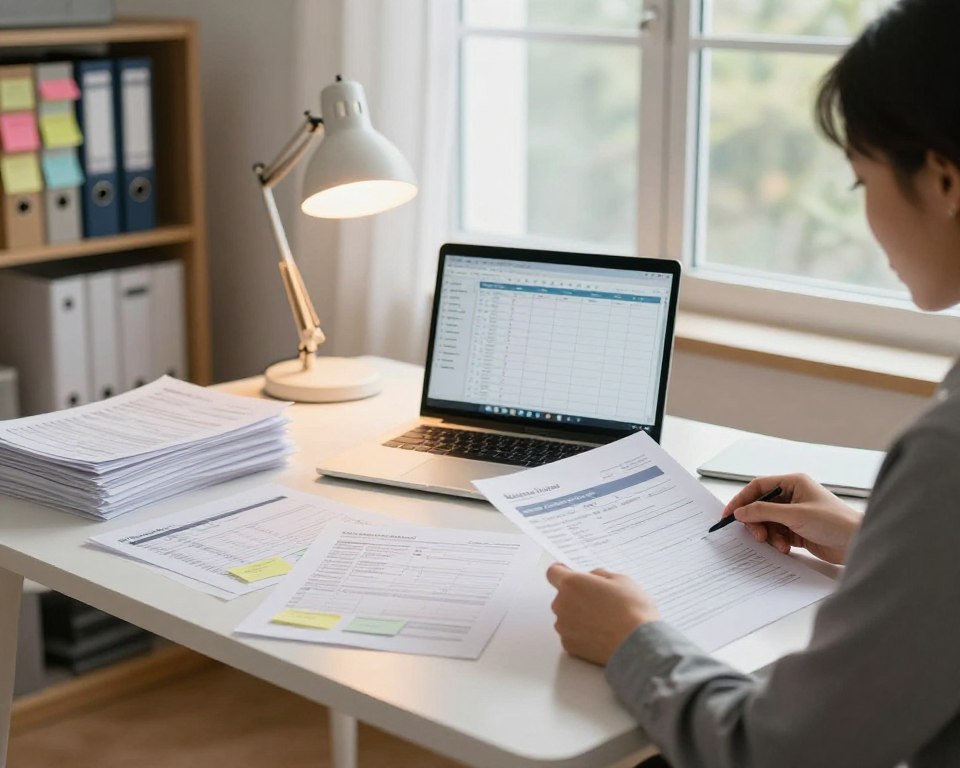
Online billing can reduce paper clutter and help prevent lost statements. Check each account’s billing settings, and save digital copies in a secure place.
| Record type | Where to keep it | What to check |
|---|---|---|
| Paper bills | Folder or accordion file | Account name, amount, and due date |
| Upcoming bills | Email folder for bills to pay | Payment instructions and deadline |
| Past statements | Email folder or secure digital storage | Past charges and payment records |
| Online billing accounts | Provider’s website or app | Paperless settings and current balance |
Record each bill’s amount, due date, and payment method
For each bill, record its type, amount, due date, and payment method. Note whether you pay online, by check, or with automatic debit. A bill payment tracker keeps these details together.
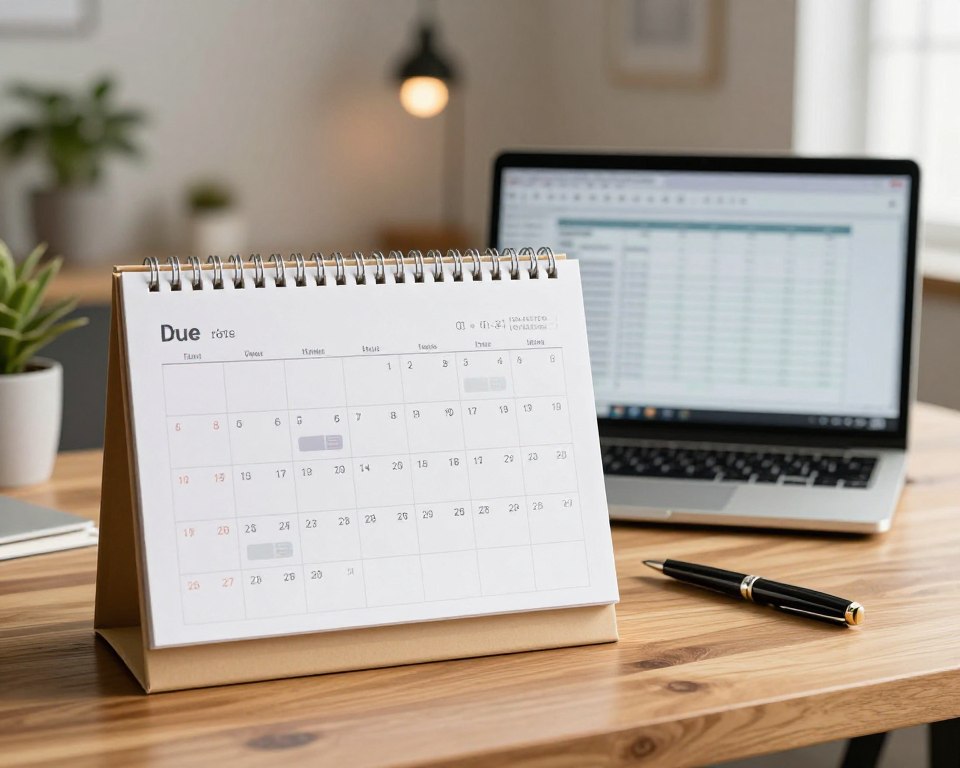
For bills with changing costs, enter an average amount. If a due date changes, record an estimate and confirm it on your next statement. Sort entries by date to see what each paycheck must cover.
| Bill type | Due date | Amount | Payment method |
|---|---|---|---|
| Electricity | About the 12th | Monthly average | Online payment |
| Rent | 1st of the month | Fixed amount | Automatic debit |
| Credit card | 25th of the month | Minimum or planned payment | Online payment |
Use a due date calendar to spot busy weeks and set money aside before payments are due.
Add recurring household bills to the checklist
List every bill due each month, even if its amount changes. A clear record of recurring household bills shows what your income must cover.
Housing and utility payments
Begin with rent or mortgage payments. Then list electricity, gas, water, and trash service. These housing and utility expenses are essential, so prioritize them when money is tight.
Phone, internet, and insurance bills
List mobile phone and internet service. Include insurance premiums for your home, car, or health. Add each bill’s due date and usual amount to make planning easier.
| Bill type | Examples | Checklist detail |
|---|---|---|
| Housing | Rent or mortgage | Monthly amount and due date |
| Utilities | Electricity, gas, water, trash | Usual cost and due date |
| Services | Phone and internet | Provider, amount, and due date |
| Insurance | Home, auto, or health coverage | Premium and payment schedule |
Include credit cards, loans, and other debt payments
Add car payments, student loans, credit card bills, and other loan payments to your monthly checklist. List each amount, payment method, and due date to prevent missed payments.
Mark credit card due dates and loan deadlines as high priority. Missed payments can hurt your credit score. Late payment fees can erase the value of card rewards.
Combining bills or using fewer credit cards may make payments easier to track. If a payment is hard to manage, contact the lender or card issuer. Ask about a payment plan or extension.
Track subscriptions and membership charges
List subscriptions and memberships with your other recurring bills. Record each charge, due date, and payment method. This helps you spot subscription renewals before charges reach your account.
Compare this list with your budget each month. Cancel services you no longer use, or find a lower-cost plan. When money is tight, prioritize housing and utilities before subscriptions and memberships.
Plan for bills with changing monthly amounts
Some bills change each month. Use a recent average to estimate electricity, water, and gas costs. This helps you track variable household costs, even when the exact bill is unknown.
Review each bill and your budget for price changes or new charges. Update the checklist when costs change, so your monthly cash flow covers upcoming bills and other variable expenses.
Separate monthly bills from annual and irregular expenses
Keep steady bills, such as rent and internet, in one section of your household budget. List annual fees and irregular expenses separately so they do not surprise you.
Review your budget often and save for planned costs, such as a vacation or medical procedure. This can protect your monthly cash flow when those bills are due.
| Expense type | Examples | Budget step |
|---|---|---|
| Monthly bills | Rent, internet, and car payments | Record the amount and due date |
| Annual costs | Membership renewals and yearly fees | Divide the expected cost across the year |
| Planned expenses | Vacation or scheduled medical care | Set a savings target and review it regularly |
A yearly financial review gives you a broader view of spending and savings as you prepare for the new year.
Sort payments by due date and payday
List each bill by its due date on your due date calendar. This helps you spot busy weeks. Rent, a car payment, and a credit card bill may come due near the first, the 15th, or month’s end.
Compare these dates with your pay schedule. Good paycheck planning helps keep enough money in your account when bills are due. It also supports steady monthly cash flow. If dates clash, ask the provider whether it can move a due date; options vary by company.
Choose a regular bill-paying day near payday. A quick review can help you pay on time and spot tight spots early.
Choose reminders and autopay settings
Match each bill with a payment method you can manage. Many utility companies, subscription services, and loan providers accept automatic payments from bank accounts or websites. Track bills using autopay, so you know which ones still need attention.
When to use automatic payments
An automatic payment setup can help prevent missed due dates for bills with steady amounts. Before using it, confirm your account has enough money when payment is withdrawn. A low balance may cause bank charges or late payment fees.
When calendar reminders work better
Manual payments may work better for bills that change monthly or need review. Set bill due date reminders in your calendar, phone, or email, or use provider alerts. Give yourself a few days to check the amount and pay on time.
Run the checklist at the start of each month
At the start of each month, review your monthly bills checklist and sort payments by due date. Use a bill payment tracker to record each bill’s due day, fixed amount, and autopay status.
Mark each bill as paid after sending the payment. Set a weekly time to check for paper bills and new charges in your email or account.
Review upcoming payments to keep enough money in the right account and spot bills that need attention.
Confirm payments cleared and fix billing problems
Mark each bill as paid after the charge clears, not when you schedule it. Save the payment confirmation, then check your bill payment tracker for open or missing items.
Keep paid statements in a folder for quick reference. Move electronic records from “Bills to Be Paid” to “Paid Bills.” This helps you spot errors and avoid late payment fees.
If a bill is hard to pay, contact the provider before its due date. Ask about a grace period, payment plan, extension, reduced rate, or deferment.
| Payment status | What to check | Next step |
|---|---|---|
| Cleared | Confirm the charge appears in your account | Save the statement and mark the bill paid |
| Pending | Check the processing date and available balance | Review it again before the due date |
| Missing or unpaid | Look for a notice or failed payment alert | Contact the provider and ask about options |
Keep the monthly bills checklist updated for next month
Review your monthly bills checklist when a bill arrives or its charge changes. Record the new amount and due date to keep your bill payment tracker accurate.
Watch automatic payments, and save statements where you can find them. A set place for paper and digital bills can prevent missed notices and support recurring bill updates.
If you share bill payments, discuss changes and upcoming due dates. Then, someone else can step in if needed.