ADVERTISEMENT
Did you know about 90% of damage in big weather events is from wind? Knowing how wind affects buildings is key for keeping homes safe. This is especially true as the weather gets more extreme due to climate change. More and more people see the need for good wind design in their homes. They follow wind load rules found in specific standards. Using strong building methods is very important to protect homes against wind.
Key Takeaways
- Understanding wind load is essential for homeowner safety.
- Compliance with wind load standards is mandatory for new constructions.
- Innovative wind load design can prevent significant property damage.
- Structural wind design accounts for local weather conditions.
- Resilient construction methods enhance a home’s durability.
- Planning for wind loads can save costs in the long run.
Understanding Wind Load and Its Importance
Wind load is vital in structural engineering, showing how wind presses on a building. Architects and engineers look at wind speed, direction, and building shape when studying wind load. This analysis keeps homes safe and stable, especially in windy areas.
What is Wind Load?
Wind load is the force wind applies to structures. It changes with the environment and building specifics. It’s key for smart wind design choices. The process involves looking at expected wind speeds and building size to figure out the wind’s impact.
ADVERTISEMENT
Why Wind Load Matters in Home Construction
Overlooking wind in home building can lead to big problems. Homes not ready for wind might get damaged, risking people’s safety. Studying wind load spots dangers early, allowing for stronger building methods. This not only makes homes sturdier but also saves on future repair costs.
When building or fixing homes, including wind analysis is crucial. It ensures homes are well-prepared to handle wind forces.
Factors Affecting Wind Load on Buildings
It’s important to understand how wind affects buildings. Various factors can influence a building’s ability to handle wind. These factors help ensure buildings can stand up to wind forces properly.
Building Height and Shape
The height and design of a building change how it deals with wind. Taller buildings encounter stronger wind forces due to higher wind speeds. The building’s shape is also crucial; sleek designs cut through wind better, whereas bulky ones may struggle. When planning, architects need to keep these in mind for a strong wind load design.
Roof Design and Overhangs
The design of the roof impacts how wind interacts with a building. Overhangs can help steer wind away, reducing stress on the walls. Compared to gable roofs, hip roofs stand up better in strong winds. They offer more stability. Such designs meet wind load standards and help the building stay sturdy.
Location and Surrounding Landscape
Where a building is located is key in calculating its wind load. In cities, buildings can create wind tunnels, while open rural areas might face steady wind flows. Nearby natural features can also change wind behavior. All these factors should be reviewed carefully when designing for wind load.
| Factor | Impact on Wind Load |
|---|---|
| Building Height | Increased pressures at higher elevations |
| Building Shape | Streamlined shapes reduce resistance |
| Roof Design | Specific shapes improve wind resistance |
| Location | Proximity to wind obstructions influences wind flow |
Relevant Building Codes and Regulations
It’s crucial to follow the right building codes and regulations for wind load standards. The International Building Code (IBC) outlines what’s needed for proper wind load design. Knowing these rules helps create buildings that can stand up to different wind conditions.
International Building Code (IBC) Overview
The IBC is key for those in construction. It gives rules for figuring out wind loads, focusing on keeping buildings safe and sound. The code shows how to calculate wind pressures based on where a building is and what it’s like. Following these guidelines is essential for reducing risk and making sure buildings last long.
Local Code Variations Across States
Although the IBC provides standard rules, each state might make changes to fit their own needs. These changes can be because of past wind events or the lay of the land. It’s important for builders and architects to know the local codes. This way, they can make sure their projects meet community standards and are set up right for their location.
Analyzing Wind Speed and Pressure
Understanding local wind conditions helps make sure buildings can stand up to the wind. Starting with the wind’s speed in an area is key. Engineers use wind maps, past data, and studies to find specific wind speed numbers for building sites.
How to Determine Wind Speed in Your Area
To find out your area’s wind speed, look at local weather data. Using tools from the National Weather Service or wind speed maps is key. Wind speed can be affected by:
- Geographical location
- Topography
- Seasonal variations
This data is the basis for correct wind load calculations. It helps engineers design homes that can take on wind forces.
The Role of Wind Pressure in Design
Wind pressure is crucial in how structures are designed to endure wind. It’s key to use gust factors and pressure coefficients in wind load calculations. This makes sure buildings can handle changes in wind strength. Important points for wind pressure are:
- Building height and shape
- Local environmental conditions
- Design specifications from building codes
By analyzing wind speed and pressure, engineers can ensure buildings are safe and strong. This is needed for residential construction that lasts.

Wind Load Calculation Methods
Calculating wind loads accurately is crucial for effective home construction. Homeowners and engineers can pick different methods based on their needs and the project’s complexity. Simplified methods give a quick look at wind load for simple designs. More detailed approaches are preferred by engineers to factor in various building variables. Wind load calculation software helps make this process easier and keeps designs within guidelines.
Simplified Method for Homeowners
For easy calculations, simplified formulas are available. These can give a rough estimate of wind loads. Homeowners can use charts or tables that link wind speeds to structural force based on basic parameters. This way, they can make informed decisions without complex math. However, remember these methods might not cover all details.
More Detailed Engineering Approaches
Engineers use advanced models that consider factors like building shape, height, and weather. They often use wind load calculation software for detailed assessments. By following local codes and looking at each structure’s unique features, engineers can make precise models. This ensures buildings can stand up to strong winds, improving safety and performance.
Common Mistakes in Wind Load Design
Designing structures to stand up to nature’s forces is crucial. But many make mistakes in wind load design. This can risk safety and money. Knowing these common errors is key for engineers and architects.
Miscalculating Wind Loads
Often, wind loads are wrong because the right formulas weren’t used. Or the data was old, or wind speeds were oversimplified. It’s important to keep checking your work. Especially as wind load rules change.
Ignoring Local Conditions
The place where you build matters a lot in wind load design. You have to think about the landscape, nearby buildings, and the weather. Ignoring these can make designs fail. Knowing and adapting to local conditions is critical.
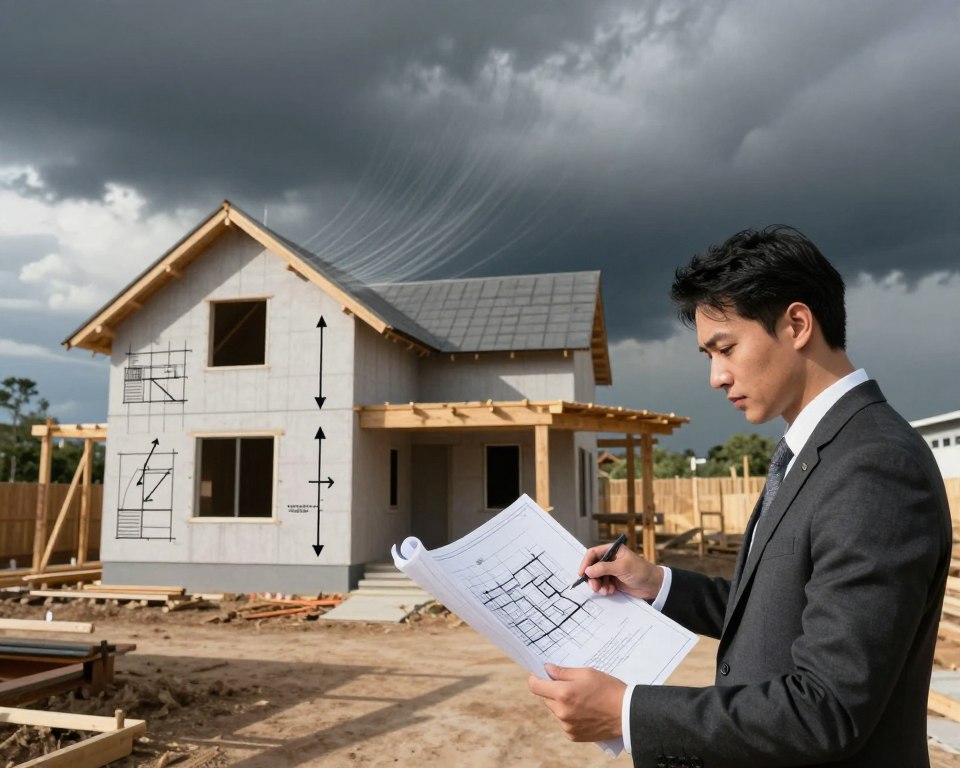
Designing Structures to Withstand Wind Loads
Creating buildings that stand up to nature’s forces mixes precision with practicality. Structural wind design aims to boost safety and resilience during strong winds. It’s important to pick the right materials and design features to handle wind loads.
Material Selection for Durability
Choosing durable materials is key to withstand wind loads. Reinforced concrete, steel frames, and tough windows are top choices. They are strong and can bend or deflect wind forces. This lessens the risk of damage.
Architectural Features for Wind Resistance
How a building is designed affects its wind resistance. Shapes like sloped roofs and curves help cut down on wind push-back. Solid anchoring and protections like overhangs save walls and windows from wind, meeting key wind load needs.
Importance of Hiring Professionals
Hiring professionals like structural engineers and architects is crucial for wind load design. They ensure the design is safe and follows important guidelines. With their expertise, they create structures that can endure various wind conditions.
Benefits of Consulting Structural Engineers
Structural engineers offer vital technical knowledge. They play a key role in:
- Comprehensive calculations: They make accurate force assessments on structures.
- Compliance: They ensure designs meet current building codes.
- Problem-solving: They tackle unique site challenges for structural safety.
The Role of Architects in Wind Load Design
Architects add important aesthetic and functional insights to wind load design. They help by:
- Design compatibility: Integrating safety with visual appeal.
- Materials selection: Choosing materials that resist wind effectively.
- Innovative solutions: Finding creative ways to maintain design integrity against wind.
The Cost of Implementing Wind Load Design
Homeowners who want to protect their homes from extreme weather should consider wind load design. It might seem expensive at first, but planning your budget for these features is smart. Knowing how wind load affects costs helps homeowners focus on what’s important.
Budgeting for Wind-Resistant Features
To budget right for wind load design, think about materials, how to build, and what you’ll pay workers. Important budget items include:
- Structural Reinforcements: Making walls, roofs, and foundations strong against strong winds.
- Wind-resistant Windows: Using special windows stops major damage.
- Roof Design: Roofs shaped to fight wind lessen pressure.
Long-Term Savings from Proper Design
Following wind load design principles saves money over time. Here are the benefits:
| Benefit | Short-Term Impact | Long-Term Impact |
|---|---|---|
| Insurance Premiums | Higher due to lack of wind-resistant features | Lower costs with wind load compliant design |
| Repair Costs | Frequent repairs from wind damage | Reduced repairs with robust design |
| Property Value | Lower market appeal | Higher resale value with wind resilience |
Adding wind load design to your building improves its toughness, value, and safety. This upfront cost leads to significant benefits in protecting and saving.
Case Studies: Successful Wind Load Designs
Looking at case studies from different places shows the value of good wind design. In tornado and hurricane zones, new wind load analysis methods offer insights. These methods help buildings stand up to severe weather. Here are examples of wind load design done right in these areas.
Examples from Tornado-Prone Areas
In areas often hit by tornadoes, like Oklahoma, homes are built to resist powerful winds. They use strong steel frames and anchoring to stay grounded during storms. Early wind load analysis makes sure these houses can handle surprises, keeping damage low and safety high.
Coastal Homes and Hurricane Preparedness
Coastal homes deal with strong winds and sea surges. On Florida’s Gulf Coast, homes are designed to stand up to these challenges well. They have raised foundations and materials that can take a hit, which improves their storm resistance. This approach is based on detailed wind load study and follows local building rules, proving that new wind design methods work.
Future Trends in Wind Load Design
The field of wind load design is changing fast. New materials and tech advances lead the way. Thanks to these changes, buildings can be safer and last longer.
Now, we’re focusing on green building. This means using materials that are both light and strong. This is key in areas that often face harsh weather. These new approaches ensure buildings stand strong during severe storms.
Innovations in Construction Materials
Materials like reinforced polymers are changing the game. They’re strong yet light, making buildings better. This lets builders create safer, more eco-friendly structures.
As these materials get easier to find, more buildings can handle tough weather. They also stay within budget and help the planet.
Advancements in Design Software and Technology
Wind load software is getting better too. It gives accurate wind load data quickly. This helps in designing buildings that can take on extreme weather.
Thanks to these tools, we can make safer and greener buildings. Planning for storms becomes more accurate. This marks a big step towards safer, sustainable construction.