ADVERTISEMENT
Did you know that over 70% of building failures are due to weak structural support? This fact points out how crucial good lintel design is. It makes buildings stable over doors and windows. Lintels are key yet often missed. They carry the weight above, giving safety and beauty.
We are going to look into the main parts of lintel design. We’ll cover different materials, their history, and how they blend beauty with strength. Knowing about lintel sizes and types helps homeowners and builders. It leads to buildings that are both safe and beautiful.
Key Takeaways
- Lintels provide essential structural support for doors and windows.
- Key to proper lintel design is selecting the right materials.
- Understanding lintel sizes is critical for effective construction.
- Lintels contribute both safety and aesthetic appeal to buildings.
- Ignoring lintel design can lead to costly structural failures.
What is a Lintel?
A lintel is key in building design. It’s a vital part that spreads weight to keep buildings stable. Knowing about lintel definition and its role can make us appreciate buildings more, old and new.
ADVERTISEMENT
Definition and Purpose
A lintel sits above doors and windows, holding up the wall above. It keeps the structure from sagging or falling apart. Without a good lintel, doors and windows could get damaged, leading to unsafe conditions. The purpose of lintels goes beyond just holding things up. They ensure safety and stability. Good design makes sure they can support the weight they need to, keeping buildings well put together.
Historical Significance
The history of lintels shows how building methods have evolved. From ancient stone to modern steel and concrete, lintels have changed to keep up with new architectural styles. They have made it possible for buildings to have larger openings, which makes them look better. Learning about their history helps us understand how building designs and materials have changed. This historical insight shows how past building techniques influence the ones we use today.
Types of Lintels
When picking out a lintel, it’s key to know about the material and what it brings to the table. Many materials offer different perks, like how much weight they can hold to how they look. We’ll look at some common choices found in building work.
Wooden Lintels
Wooden lintels, or timber lintels, are a classic pick for building projects. They’re great for lighter loads and add a natural look, perfect for homes. Yet, they face issues like rot from moisture and damage from pests over time.
Steel Lintels
Steel lintels are known for their amazing strength and lasting power. They support heavy weights and can cover big spaces without much extra help. They don’t rot or get eaten by pests. But, they need a protective coat in damp places to stop rust from hurting their strength.
Reinforced Concrete Lintels
Reinforced concrete lintels use the power of concrete and steel together. This mix makes a strong beam that can hold a lot of weight. They’re good for stopping fires and work well in homes and businesses. But, they must be placed with care to keep from cracking because they’re so heavy.
Brick and Stone Lintels
Brick and stone lintels are more about looks in old-style buildings than holding up heavy stuff. They fit well over small openings and add a classic charm. Even though they’re important in history, they don’t hold up as well as the newer materials do.
| Lintel Type | Material | Load Capacity | Durability | Aesthetic Appeal |
|---|---|---|---|---|
| Wooden Lintels | Timber | Low to Medium | Susceptible to rot | Natural look |
| Steel Lintels | Steel | High | Corrosion-resistant with coatings | Sleek and modern |
| Reinforced Concrete Lintels | Concrete and steel reinforcement | Very High | Fire-resistant | Utilitarian |
| Brick and Stone Lintels | Brick or stone | Low | Generally durable | Classic appearance |
Why Lintel Design Matters
Lintels are key to both the look and function of buildings. They ensure stability, add beauty, and help save energy. With careful design, buildings remain strong and appealing, while also being energy-efficient.
Structural Support
It’s crucial to calculate how much weight lintels can hold over doors and windows. They spread this weight to stop bending or breaking, which keeps the building safe. A good lintel also protects against various forces, helping to keep the structure solid.
Aesthetic Appeal
The design of lintels greatly affects a building’s look. Using different materials and designs, like wood or steel, can highlight a building’s style. Decorative lintels add unique touches, making the structure stand out.
Energy Efficiency
Lintels designed with energy efficiency in mind can cut down on heating and cooling costs. They keep out drafts and moisture, preventing energy waste. Smart design improves energy use and supports the environment, making buildings more sustainable.
Key Considerations in Lintel Design
Understanding what’s essential in lintel design is key to keeping structures safe and functional. It means paying attention to factors that shape performance and safety. A good lintel handles many loads and matches the building’s look.
Load-Bearing Capacity
Finding out lintel load requirements is crucial. Lintels need to support constant and changing forces. This includes the building material weight and effects from the environment. Getting this right means the building will be safe and last longer. If ignored, the building’s structure could fail, risking everything.
Material Selection
Choosing the right kind of lintel means thinking about the project’s needs. Various lintel materials offer different benefits for cost and usage. For strength, steel is top-notch; reinforced concrete is versatile. Wooden lintels can work for some needs but have drawbacks. Knowing these materials helps make choices that fit the project’s looks and needs.
Dimensions and Placement
A lintel’s effectiveness is tied to its size and how it’s placed. Making sure the lintel sizes are right ensures it can hold up the expected weight. Putting it in correctly helps spread out the weight, preventing issues later. Following local construction laws also ensures the design is solid.
Lintel Design for Residential Spaces
In residential lintel design, there are crucial elements to consider. Making sure lintels for doors and windows are properly installed is key. This not only keeps the structure strong but also adds to the home’s design. Let’s dive into the best practices for doors and how to handle windows.
Best Practices for Doorways
Following code recommendations is a must for installing door lintels. Think about the door width and the weight it must carry. The right support at each lintel end offers strength. Meanwhile, avoiding too-long spans keeps them lasting longer. Choosing top-notch materials is also vital for standing up to the weather.
Effective Solutions for Windows
Lintel design for windows starts with understanding window types and sizes. Making sure there’s enough support is key to meeting construction codes. Smart lintel solutions help manage the heavy and side forces on windows. Regular checks find any problems early, saving money on big repairs later.
| Element | Best Practices | Considerations |
|---|---|---|
| Door Lintels | Ensure proper end support and avoid long spans without reinforcement. | Select materials based on door load requirements and environmental factors. |
| Window Lintels | Match lintel designs with window dimensions and local codes. | Conduct regular inspections to maintain integrity and performance. |
Lintel Design for Commercial Buildings
In commercial buildings, lintel design is very important. It helps keep the building safe and strong. These buildings often have big openings. They need heavy-duty lintels to support heavy loads. Picking the right materials and design is crucial for good performance.
Heavy-Duty Lintel Options
There are many materials for heavy-duty commercial lintels. Steel and reinforced concrete are most common. Steel lintels can support very heavy weights. Reinforced concrete is strong and cost-effective. Choose based on what the building needs and the local environment.
Compliance with Codes and Standards
Following building codes is a must in commercial construction. These rules cover everything from safety to building strength. Using the right lintel design helps meet these codes. It also makes the building last longer. Knowing local codes is key to avoid legal and structural problems.

Common Mistakes in Lintel Design
Lintel design is very important for a building’s safety and strength. Many people make mistakes that lower the lintel’s effectiveness and safety. Learning about these mistakes can help improve lintel construction methods.
Underestimating Load Requirements
A lot of people don’t check load requirements carefully. They skip detailed load calculations, leading to errors. It’s critical to correctly figure out the loads a lintel will face. Ignoring this can cause big problems that could have been avoided with careful planning.
Skimping on Materials
Using poor materials can really harm lintel construction. To save money, some choose lower quality, which leads to trouble later on. The right materials make sure a lintel can handle loads and last long. Quality is key for a strong and lasting lintel.
Improper Installation
Bad installation techniques can cause a lot of issues. It’s very important to follow the right steps to avoid problems. If a lintel isn’t aligned right or doesn’t have enough support, it won’t work well. Following the proper guidelines during installation makes sure lintels do their job.
| Common Mistakes | Consequences | Prevention Strategies |
|---|---|---|
| Underestimating Load Requirements | Potential structural failure | Thorough load calculations |
| Skimping on Materials | Deterioration and weakness | Ensure quality material selection |
| Improper Installation | Risk of misalignment | Follow best installation practices |
Tools and Software for Lintel Design
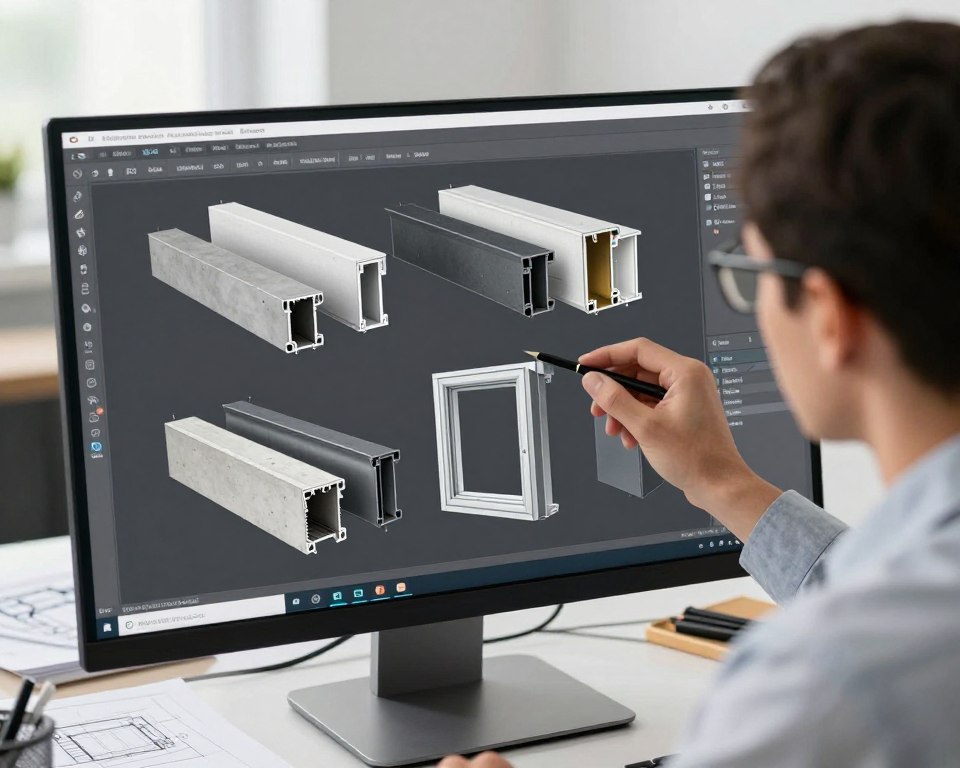
Choosing the right tools can make your lintel design work way better. CAD software is a big help for those in this field. It makes everything from planning to final steps smoother. These tools do more than draw; they calculate what’s needed to keep buildings safe.
CAD Software Options
AutoCAD and Revit are top picks for lintel design. They offer features that let users make detailed plans. This ensures everything is measured right and fits standards. With 3D visuals, designers can spot problems early, which helps a lot.
Structural Analysis Tools
Lintel design also needs good structural analysis. There’s software made just for checking if designs are safe and meet codes. These programs test how lintels hold up under pressure. This step makes sure lintels will be strong enough when built.
Environmental Considerations
Picking the right materials for lintels is key in supporting eco-friendly building. Using sustainable lintel materials lessens the environmental harm and also boosts the efficiency of buildings. By choosing materials like recycled steel or local timber, we adhere to green building standards in many projects.
Sustainable Material Choices
Choosing lintel materials with sustainability in mind is crucial. Some sustainable options are:
- Recycled steel, which lowers waste and uses fewer resources.
- Locally sourced wood, which cuts transport emissions and supports local jobs.
- Eco-friendly concrete alternatives that include recycled parts.
Energy Efficiency in Lintel Design
Energy efficiency is vital for comfortable indoor spaces, making lintels important. They help in cutting down heating and cooling costs. Insulating lintels brings major perks:
- Less heat loss in the cold seasons means you pay less for energy.
- Better comfort in homes and workplaces.
- Reduced energy leakage through structural parts.
Lintel Maintenance and Repair
Regular checks on your lintel are key to keeping your home solid and long-lasting. Spotting damage signs early can help avoid big repairs or the need to replace parts later. Homeowners should watch for common problems like cracks, rust on metal lintels, and changes in how bricks line up.
Signs of Damage
It’s important to know the signs of lintel damage, including:
- Cracks along the lintel
- Visible rust or corrosion on metal types
- Bowing or shifting in brickwork above the lintel
- Deterioration of surrounding materials
Keeping an eye on these signs can tell homeowners when it’s time to get expert help. This helps in keeping up with the right care schedule.
When to Replace
Deciding if you need to replace a lintel depends on how bad the damage is. When the damage affects the structure’s safety, or is very bad, you should talk to a structural engineer. They can check the damage and suggest if you should fix it or replace it. Ignoring big problems could cause worse damage that costs a lot to fix later.
Conclusion: The Importance of Smart Lintel Design
Lintel design is very important. A good lintel keeps buildings strong, looks nice, and helps save energy. Builders and homeowners must understand how to support doors and windows well.
The future of lintel design looks very exciting. Building technology is getting better fast. This means more focus on using materials that are good for the earth and better ways of building. New lintel technologies, like systems that check if a lintel is okay, will improve how buildings are made.
As building methods get better and last longer, focusing on lintel design is key. This will make sure buildings are both useful and beautiful. Keeping up with new trends will help projects succeed and push architectural standards to new heights.