ADVERTISEMENT
A well-made garden pathway can boost your home’s curb appeal by up to 20%. Designing your outdoor walkway is key, not only for getting around but also for adding style and charm. Picking the right design is about more than choosing materials. It’s about creating a beautiful flow that draws people into your space. With lots of design ideas, you can make your walkway unique and functional. Let’s dive into how to build a garden path that uplifts your outdoor area and leaves a strong impression.
Key Takeaways
- Garden pathways enhance curb appeal and functionality.
- Choosing the right materials is essential for durability and style.
- Pathway landscaping ideas can be tailored to fit any garden theme.
- Seamless flow between spaces creates an inviting atmosphere.
- Outdoor walkway design can improve safety and navigation.
Understanding the Importance of Garden Pathways
Garden pathways do more than help you walk around outside. They enhance your garden’s look and function, keeping it safe for everyone. A well-made path brings out the beauty of your outdoor space. It makes the whole area look better.
Functionality and Flow
Good pathways connect different garden spots, protecting the lawn and plants. They help keep your garden tidy by directing where people walk. This keeps plants and grass safe from harm.
ADVERTISEMENT
Aesthetic Appeal
Pathways add structure and charm to gardens. The right style and materials turn a simple space into a cozy nook. They highlight special parts of your garden, like flowerbeds or resting spots.
Safety Considerations
It’s crucial to design pathways with safety in mind. The right surfaces and lighting prevent accidents. Safe and well-thought-out paths make your garden welcoming to all.
Different Types of Garden Pathways
DIY garden pathways help you customize your outdoor space with different materials. Each option offers unique benefits to your garden’s appearance and functionality. Choosing the right style can make your garden more beautiful and practical.
Gravel Pathways
Gravel pathways are popular because they’re cheap and easy to set up. They blend well with nature, giving a rustic feel. These paths are good for walking and help with drainage, reducing puddles in your garden.
Stone Pathways
Stone pathways are known for their toughness and beauty. They can improve the look of formal gardens and handle harsh weather. Stones stay put better than other materials, making them dependable for a long time.
Wooden Walkways
Wooden walkways bring a cozy and welcoming vibe to gardens. They offer a natural, rustic charm. But, keeping them nice means doing regular maintenance, like sealing and fixing any broken boards.
Paver Paths
Paver paths are strong and allow for creative designs. You can lay them in various patterns, adding flair to your garden. They’re also simple to maintain; you can replace any pavers that break without redoing the whole path.
| Type of Pathway | Advantages | Considerations |
|---|---|---|
| Gravel | Affordable, easy to install, good drainage | Can shift and require occasional topping up |
| Stone | Durable, elegant, low maintenance | More expensive, labor-intensive installation |
| Wooden | Natural feel, visually appealing | Requires regular maintenance, can rot |
| Paver | Durable, versatile designs, easy to replace | Initial cost can be high, requires a solid base |
Planning Your Garden Pathway
Planning your landscape pathway well helps create a beautiful, useful garden path. Start with checking your garden’s layout. This means looking at what’s already there, where the sun hits, and how water drains. Knowing this helps mix the path into your garden smoothly.
Assessing Your Garden Layout
Look closely at your garden’s overall setup. Think about the main points of interest and how a path could make getting around easier. Paths should link key spots like places to sit and flower areas naturally. Also, consider how the ground slopes to avoid water problems.
Choosing the Right Materials
What your pathway is made of is important for its look and lastingness. Consider stone, gravel, or pavers. Each brings a different feel—rustic stones look natural, while pavers are more modern. Choose materials that are easy for you to keep up, so your path stays welcoming.
Budgeting for Your Pathway
Knowing how much your pathway will cost is crucial. Prices change based on materials and how complex the work is. To keep track of spending, make a detailed budget that includes material and labor costs. Check out local stores and used materials for deals without sacrificing quality.
Creative Design Ideas for Garden Pathways
Thinking outside the box when designing your garden pathway can lead to great ideas. These ideas can make your landscape more beautiful. Here, we’ll look at different creative garden paths. They add character and beauty to your backyard.
Curved vs. Straight Paths
Choosing between curved and straight paths changes your garden’s feel. Straight paths are clear and direct, perfect for getting around quickly. Curved paths, on the other hand, make for a more engaging walk. They encourage exploring. Think about your garden’s layout before choosing. Both styles offer unique ways to design your backyard path.
Incorporating Edging Elements
Edging elements are key in defining your pathway. They can be bricks, stones, or plants. These materials keep the path in shape and add visual appeal. An edged pathway separates the walkway from the garden. This enhances both the path’s look and its use. It’s a simple method to create long-lasting and attractive garden paths.
Adding Decorative Features
Decorative features can make your pathway more inviting. You might add lanterns, fun artwork, or various plants along the sides. These items draw attention and tie the garden together. They make the pathway more beautiful and welcoming. Adding your unique touch can inspire others.
Sustainable Pathway Options
Making your garden sustainable can make it more beautiful. Choose eco-friendly materials for paths to make your outdoor space look good while caring for the planet. Using reclaimed and recycled stuff helps cut down on waste. It also gives your pathways a special touch.
Eco-Friendly Materials
Eco-friendly materials for paths protect our environment. Options like permeable pavers and natural stone last long. Plus, they help water drain, preventing runoff. These choices fit right into your garden, enhancing its beauty.
Using Recycled Materials
Using recycled items reduces waste and adds charm to your paths. Old wood, bricks, or plastic are not only eco-wise but also wallet-friendly. They offer a smart way to craft sustainable, affordable paths.
Low-Impact Installation Techniques
Installing paths with care keeps the soil and plants healthy. Minimal digging and thoughtful placement blend paths into the garden smoothly. These methods support your plants and create lovely, green pathways.
| Material Type | Benefits | Considerations |
|---|---|---|
| Natural Stone | Durable, blends with landscape | Higher cost, heavy weight |
| Recycled Plastic | Lightweight, versatile, eco-friendly | Less natural appearance |
| Reclaimed Wood | Unique aesthetic, great for rustic designs | May require treatment for longevity |
| Permeable Pavers | Reduces runoff, promotes drainage | Requires proper installation |
Enhancing Your Pathway with Plants
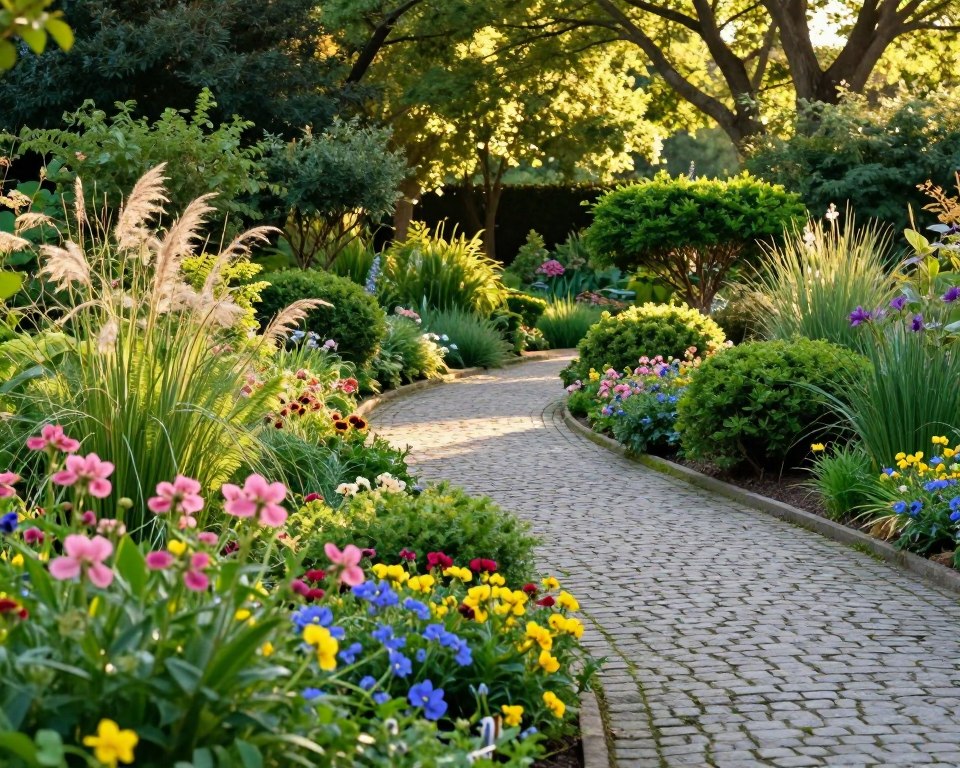
Adding plants to your garden pathways brings beauty and a special touch. Thoughtful plant choices make your outdoor space welcoming. They draw visitors in, enhancing your garden’s look.
Edging with Flowers and Shrubs
Flowers and shrubs can edge your pathways, blending man-made and natural elements. This adds beauty and helps guide guests through your garden. Opt for a variety of plants that bloom in rich colors and different heights for a full look.
Ground Cover Plants
Ground cover plants are great for filling spaces in your design. They keep the soil stable and make your pathway neat. Plants like creeping thyme or sedum look good and are practical, fitting perfectly between stones or pavers. They grow well in various conditions, adding texture along your path.
Seasonal Plant Choices
Choosing plants for different seasons keeps your garden interesting all year. Pick flowers that bloom at different times for continuous beauty. Planting daffodils for spring, coneflowers for summer, and ornamental grasses for fall keeps your pathway vibrant.
| Season | Flower Options | Ground Cover Suggestions |
|---|---|---|
| Spring | Daffodils, Tulips | Creeping Thyme, Blue Star Creeper |
| Summer | Coneflowers, Daylilies | Stonecrop, Moss Phlox |
| Autumn | Asters, Sedum | Ornamental Grasses, Creeping Jenny |
Plan your plant layout and choose seasonal varieties for stunning pathways. They offer beauty, texture, and fragrance. This turns your garden into a cozy haven.
Lighting for Your Garden Pathways
Right lighting makes garden pathways safe and welcoming at night. There are many choices to improve visibility and add style outdoors. You can use lights for both function and decoration. This lights up paths and shows off your garden’s beauty.
Solar Lighting Options
Solar lights are good for the environment, unlike traditional lights. They soak up sunlight during the day and glow at night. This doesn’t cost extra energy. Solar lights are easy to install and can be moved easily. They have many styles, including modern and decorative ones.
String Lights for Ambiance
String lights add a cozy feel, perfect for outdoor evenings. They look good along pathways without being too much. You can pick from globe lights or fairy lights to fit your garden’s vibe. Just don’t make paths too busy for an enchanting look.
Pathway Lighting Styles
Your choice of outdoor pathway lighting should match your garden. There are many styles like:
- Traditional Lanterns: They give a classic vibe, good for old-style gardens.
- Modern Fixtures: Simple and modern, great for new gardens.
- In-Ground Lights: They’re hidden and light up without blocking views.
- Flood Lights: Best for lighting larger spots or highlighting features.
Accessibility Considerations
Making pathways accessible means everyone can enjoy gardens easily. We must think about wheelchair users to ensure paths are safe and easy to use. Here’s what to keep in mind for wheelchair-friendly paths.
Making Your Pathway Wheelchair-Friendly
When we design paths for wheelchairs, width and layout are crucial. Paths need to be at least 36 inches wide for wheelchairs to fit. It’s important to avoid sharp turns and keep paths clear of anything that might block the way.
Non-Slip Surfaces
The materials you choose for pathways affect safety. In wet conditions, non-slip surfaces help prevent slips and falls. Surfaces like stone, concrete, or decking should have textures or treatments for traction, helping wheelchair users stay safe.
Smooth Transitions and Ramps
It’s essential to include gentle ramps in pathway design for easy access. Instead of steep inclines, smooth ramps help wheelchair users move easily. Choosing the right materials can also make paths look good and function well.
Maintenance Tips for Garden Pathways
Maintaining garden pathways is key for safety and looks. Regular care boosts the appearance and extends material life. Following easy tips can greatly enhance your garden.
Regular Cleaning and Upkeep
Routine cleaning is crucial. Remove debris like leaves, dirt, and weeds. Neglect can cause moss and algae, making pathways slippery. A thorough sweep or wash in fall and spring helps with safety and looks.
Seasonal Maintenance Tasks
Seasonal tasks are vital for pathway maintenance. Check for overgrown vegetation along the edges. Trim or replace plants that don’t thrive. This keeps paths clear and welcoming. In autumn, weeding and clearing fallen leaves are key.
Repairing Damaged Sections
Quick repair keeps pathways safe and nice looking. Fix cracked pavers or uneven gravel right away. Replacing broken parts or adding fresh gravel improves pathways. A little effort maintains your garden’s beauty.
Using Garden Pathways for Outdoor Living
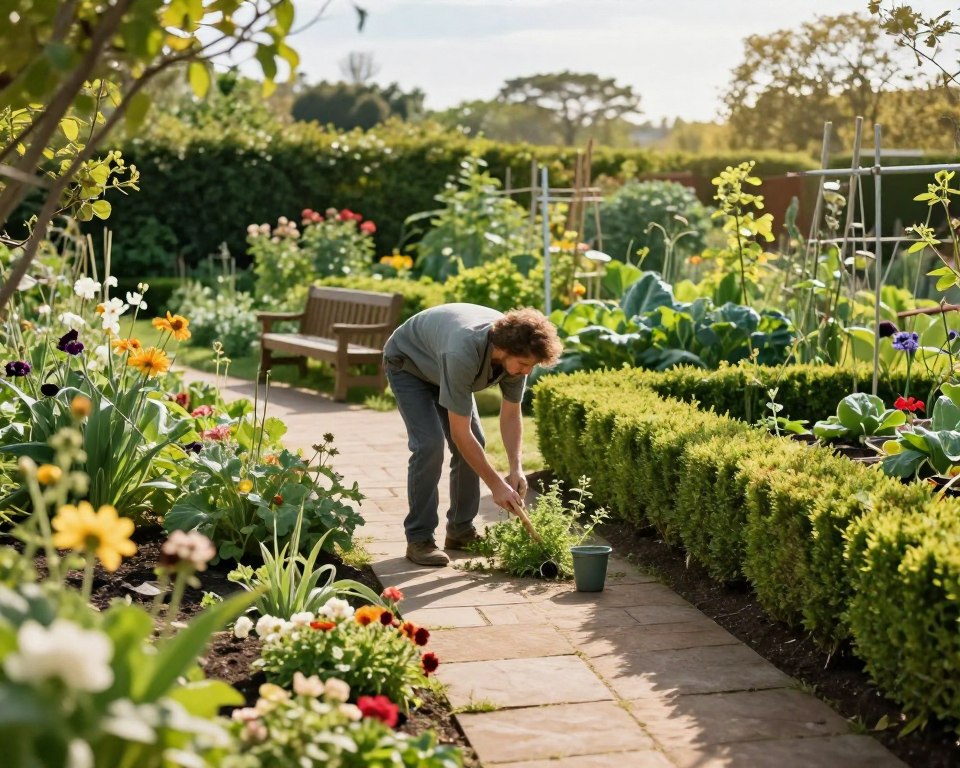
Garden pathways are more than just practical; they shape our outdoor living spaces. With careful planning, you can craft areas designed for different uses, boosting the overall function of your space.
Creating Zones in Your Garden
Pathways can clearly outline various spots in your outdoor area. You might separate dining and play areas, for instance. This organization not only makes your garden more orderly but also more welcoming.
Furniture Placement and Pathway Flow
Placing furniture thoughtfully alongside your pathways is crucial. Arrange chairs and tables to follow the path’s course, facilitating smooth movement and interaction. This approach creates a lively setting for people to come together.
Incorporating Fire Pits or Seating Areas
Adding fire pits or special seating along pathways ties your garden together. These features act as key points, connecting smoothly with the garden’s layout. It amps up the beauty and utility of your outdoor space, ideal for night-time events.
Incorporating Technology in Pathway Design
Adding smart technology to pathways makes gardens lively and interactive. Homeowners improve their outdoor areas’ function and safety with high-tech solutions. They also enjoy the beauty of their gardens more. Smart garden design makes pathways better with cool features for today’s needs.
Smart Lighting Solutions
Smart lighting adjusts to the light around it automatically. They come with timers and motion sensors. So, lights turn on only when needed. This saves electricity and makes evening walks safe. It also makes guests feel welcome as they walk through the garden.
Pathway Sensors and Safety
Pathway sensors add security by detecting movement on garden paths. They work with smartphone apps for real-time monitoring. This is super helpful at night. With smart tech, people feel safer and more at ease outdoors, whether they’re having fun or just relaxing.
Conclusion: Transforming Your Garden with Pathways
Designing garden pathways is more than making walkways. It’s a chance to improve your garden’s look and feel. Pathways create flow and make your garden easy to explore. They highlight your garden’s beauty, guiding guests through a scenic tour of nature.
Feel free to try new things with your pathway designs. There are many options to choose from. You can mix colors, materials, and layouts to show off your style. Options like gravel paths or paver walkways can make your garden stand out.
Let your imagination lead the way in this landscape adventure. Your garden is a reflection of your home and personal taste. Design pathways that are both useful and enjoyable, adding beauty and comfort to your outdoor space.