ADVERTISEMENT
About 80% of home structural issues are due to foundation problems. It’s vital to choose the right foundation for your house. This decision affects your home’s integrity. With many foundation types out there, knowing their features helps you pick the right one. This choice should fit your structural and lifestyle needs.
We will look at various foundation types, their pros and cons, and how to choose. Your choice should consider soil types and climate. This guide aims to help you find the best foundation for your home.
Key Takeaways
- Foundation integrity is critical to a home’s overall stability.
- Understanding the types of foundations for houses can lead to better decision-making.
- Soil conditions and climate play a significant role in foundation choice.
- Different house foundation types offer unique advantages and potential drawbacks.
- Regular maintenance is essential to prevent foundation issues.
What is a House Foundation?
A house foundation is the key part of a building. It supports the whole structure and protects it from the environment. Knowing its importance helps us see why it’s vital for a home to last a long time.
ADVERTISEMENT
Definition and Importance
A foundation spreads a house’s weight evenly over the ground. This happens so the house doesn’t settle unevenly because of shifting soil. More than just support, a well-made foundation also keeps out moisture and insulates your home.
Soil type, groundwater levels, and nearby plants all affect what foundation a house needs. The right foundation is key for keeping a house stable and lasting a long time.
How Foundations Impact Home Longevity
Foundations greatly affect how long a house lasts. They need good drainage and to be strong against things like earthquakes and high winds. Problems like cracks and leaks can happen without these.
Choosing the right type of foundation is critical. When homeowners make smart choices early on, they make their homes last longer and increase their value.
Popular Foundation Types Overview
It’s crucial to know the different kinds of foundations a house can have. Picking the right one affects the house’s strength and your wallet. We’ll look at common foundation types, their building ways, and their pros and cons.
Comparing Different Foundation Styles
Different foundation types have unique features. The common kinds are:
- Full Basements: Offer extra living or storage space, made with poured concrete or blocks.
- Crawl Spaces: Raise the house a bit, providing access to plumbing but can face moisture problems.
- Slab-on-Grade: A flat concrete layer put right on the soil. It’s known for being quick and cost-effective to build.
- Pier and Beam: Lifts the structure, using piers and beams. This helps with utility access and moisture prevention.
Pros and Cons of Each Type
Each foundation style has its own advantages and disadvantages. Let’s quickly go over them:
| Foundation Type | Advantages | Disadvantages |
|---|---|---|
| Full Basement | Provides extra space, can be turned into living areas | Costlier at the start, might need waterproofing |
| Crawl Space | Makes repairs easy, ensures good airflow | Can attract pests, has moisture risks |
| Slab-on-Grade | Cheaper, faster to build | Hard to reach utilities, might crack |
| Pier and Beam | Utility access is easy, drains well | Could need a lot of foundation work, needs more upkeep |
Basement Foundations: A Deep Dive
Basement foundations come in two main types: full and partial. Understanding these differences helps homeowners choose the right foundation for their homes. These structures are not just practical. They also add value and functionality to any home.
Understand Full vs. Partial Basements
A full basement covers the home’s entire footprint. It has ceilings at least 7 feet high. This provides lots of space for living, storage, or play. On the other hand, partial basements, or daylight basements, don’t go as deep. They let in more natural light and are easier to access. They’re also often less expensive. Each type has its own benefits depending on what the homeowner needs and the house’s layout.
Benefits of Basement Foundations
Basements offer more than extra space. They can double a home’s usable area when finished. This makes them very popular among homeowners. Besides adding space, basements help keep the house warmer or cooler. This makes the whole house more energy-efficient. They also offer lots of storage and help the house stay structurally sound. Although they might cost more upfront, their long-term benefits and added functionality often make them worth the investment. Basements bring lots of advantages.
Slab Foundations: Simplicity and Style
Slab foundations are now a top choice for many people owning homes. Their design is simple but works really well. These foundations are made of concrete slabs, usually 4 to 6 inches thick. They’re strong, don’t need much upkeep, and work for many types of buildings.
Advantages of Slab Foundations
Slab foundations have many advantages. Here are some key benefits:
- Cost-effective: They generally use less material and work, which means they cost less to make.
- Quick installation: They can be made quickly, reducing the time to finish a building.
- Moisture resistance: They’re better at handling moisture than basements which is great in areas with a lot of groundwater.
- Energy efficiency: They help keep indoor temperatures cooler in hot months, saving energy.
Common Uses for Slab Foundations
It’s important to consider what you’re building when thinking about slab foundations. They’re commonly used for:
- Single-story residential homes, which are a good match for slab foundations.
- Condominiums that get stability from a solid concrete base.
- Homes in warmer places where the ground doesn’t freeze, making slabs a good option.
- Designs focused on saving on heating and cooling costs.
| Aspect | Slab Foundations |
|---|---|
| Construction Cost | Low due to minimal materials needed |
| Installation Time | Fast, often completed within days |
| Moisture Issues | Less likely to experience moisture problems |
| Best Regions | Warmer climates with stable soil |
| Ideal Projects | Single-story homes, condos, energy-efficient designs |
Overall, slab foundations are a smart option for many construction jobs. They’re especially good in the right climates and for certain styles of buildings. Knowing when to choose slab foundations can guide homeowners and builders towards success.
Crawl Space Foundations
Crawl space foundations create a space between the ground and your house’s underside. They range from 18 to 48 inches in height. This space allows easy access to essentials like plumbing, electrical lines, and HVAC systems. It also provides some ventilation. Properly installed vents can reduce moisture, but it’s vital to seal the area well to prevent water problems.
What is a Crawl Space?
A crawl space is a narrow gap under your home for specific uses. It lets you get to utility lines easily and separates your home from the ground. By using good sealing methods, crawl spaces can prevent moisture from getting into your home.
Benefits and Drawbacks of Crawl Spaces
Crawl spaces have many upsides. They make getting to utilities for repairs easy and help protect against pests like termites. However, it’s important to know there are both good and bad points to crawl spaces.
- Benefits:
- Easy access for repairs and maintenance.
- Some protection from ground moisture.
- Keeps certain pests away.
- Drawbacks:
- Can have issues with moisture, causing mold and rot.
- Needs good ventilation and insulation.
- How well they work can change depending on where you live.
Knowing the ups and downs of crawl spaces is key for homeowners. If you maintain and ventilate them well, you can enjoy their benefits while avoiding problems.
Pier and Beam Foundations
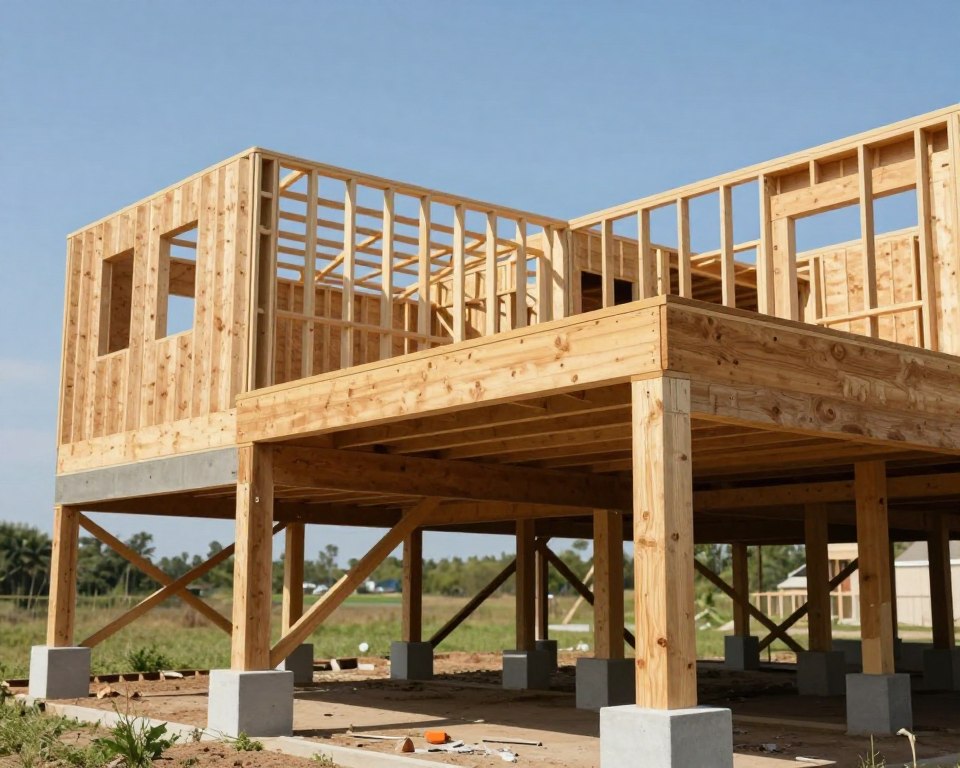
Pier and beam foundations use a special method to support a home. They have vertical piers holding up horizontal beams. This lets the building stay above ground. It keeps the house well-aired underneath, stopping moisture problems that other types can face. It’s key for homeowners to get how pier and beam works. It has real benefits in certain areas.
How Pier and Beam Works
The setup of pier and beam foundations includes anchoring piers deep in the ground to hold up the beams and house. This keeps the house off the soil, crucial in places prone to floods or where the soil is unstable. When put in right, this raised setup helps with drainage and keeps pests from getting into the home from below.
Ideal Conditions for Pier and Beam
There are specific situations where pier and beam foundations shine. They are best in areas with shifting clay soils or frequent floods. This type of foundation is great for hilly lands, which can be tough for slab foundations to handle. Pier and beam setups offer extra stability in earthquake-risk zones, adding a safety layer for people living there.
Choosing the Right Foundation Type
Picking the perfect foundation for your home is very important. The choice depends on the soil, climate, how the building will be used, and how much money you can spend. Each factor matters a lot for your home’s stability and comfort. To pick the best foundation, homeowners should check the ground and do soil tests thoroughly.
Factors to Consider
Many things affect picking the right foundation. Important things to think about when choosing include:
- Soil Type: The soil’s stability and type can influence which foundation is best.
- Load Requirements: It’s important to know how heavy the building will be.
- Future Plans: Thinking about expanding later might change what foundation you need.
- Budget: How much money you have can decide the kind of foundation you choose.
Climate Impact on Foundation Choice
The climate really matters when you choose a foundation. You need to think about the weather patterns where you live. For cold places with freeze-thaw cycles, deep foundations like basements work best. But, drier areas are fine with slab or crawl space foundations. In wet or humid places, raised foundations help avoid water buildup, keeping your home stable for a long time. Knowing about climate helps homeowners pick the right foundation for their home’s needs.
Cost Comparison of Foundation Types
Understanding costs for different foundation types is key when planning a home. Each foundation type has its own cost. These costs are based on how complex they are, the materials used, and labor rates in your area. This part talks about how to plan your budget for foundations. It also looks at the long-term money matters of each choice.
Budgeting for Different Foundations
It’s important to set a budget for your foundation. A full basement, for example, usually costs about $34,250 on average. In contrast, a slab foundation costs much less. Crawl spaces cost a bit more than slabs but less than basements. The cost of pier and beam foundations changes a lot depending on where you live and labor costs. It’s smart to get estimates from various contractors to know all the costs upfront. This helps ensure your budget is in line with your plans.
Long-term Financial Considerations
It’s not just about upfront costs. The long-term costs of your foundation are also crucial. Things like maintenance, repairs, and insurance can change how much you spend over time. For example, slab foundations can be expensive to fix if they’re not kept up well. Homeowners need to think about these things. This way, they can understand how the foundation affects their finances in the long run. Knowing both short- and long-term costs helps homeowners make good choices for their budgets.
Regional Considerations for Foundations
The place where your home is located greatly changes what foundation you need. It’s vital to think about the area’s environment and ground type. These factors help pick the best foundation for your house.
How Location Affects Foundation Choice
Some places have special ground conditions or weather issues. Your foundation needs to handle these to stay strong and last long. For example, areas that often flood might need higher foundations or checks for water problems. But places with hard, dry ground might be good for slab foundations. They’re usually cheaper for homeowners. Looking at the ground type, how water moves, and any earth shaking can help decide on the right foundation.
Local Building Codes and Regulations
You must follow the rules for foundations when you build. Every area has its own rules about how deep to make foundations, what materials to use, and how to keep moisture out. Homeowners need to talk to local building officials. This makes sure their foundation plan follows the rules. Not following these could mean big fines or having to rebuild. So, it’s very important to know your local foundation rules well before starting to build.

Maintenance Tips for House Foundations
To keep your home’s foundation in top shape, you need to check on it often. This means doing things like sticking to a maintenance plan and getting your foundation checked by pros. Make sure to have a pro inspect your foundation every year to keep it strong and stable.
Regular Inspections to Consider
It’s important to regularly inspect your foundation. You might need an inspection if you see:
- Cracks forming in walls or ceilings
- Uneven flooring
- Doors and windows that are difficult to open or close
- Signs of water damage, such as moisture accumulation in basements or crawl spaces
Keeping the area around your foundation dry can really help. Use good drainage and sump pumps to manage moisture. This helps your foundation last longer.
Signs of Foundation Problems
Spotting foundation problems early can save you from big headaches later. Look out for these warning signs:
- Visible cracks in the exterior brick or stucco
- Gaps between walls and ceilings
- Sinking or settling floors
- Water pooling around the foundation
Noticing these signs early and acting fast can stop bigger fixes later. Keeping an eye on these issues helps keep your foundation strong.
Foundation Repair: What You Need to Know
Many homeowners encounter various foundation repair problems. These can greatly impact the safety and stability of their homes. Understanding these common issues can show when it’s time to get help from a pro. Knowing what challenges might arise prepares homeowners to fix any problems.
Common Issues and Solutions
There are many issues that can arise with foundations, and each has its own fix. For example, water getting into the foundation can cause big problems. Installing sump pumps can help manage this. For cracks that don’t affect the structure, epoxy injections can be a quick fix. If the ground is eroding, underpinning might be needed to keep the foundation stable. It’s important to match the solution to the problem for the best outcome.
When to Call a Professional
It’s important to know when to call in a foundation expert. Keep an eye out for big cracks or water collecting around the foundation. If the house seems to be shifting, it’s a sign you might have a serious foundation issue. While you can handle small repairs, major problems need a professional’s touch. Working with experts makes sure that repairs meet local codes and are safe.
Conclusion: The Best Foundation for Your Home
Choosing the best foundation for your home is crucial. You must think about the soil, weather, and how you’ll use the house. Basement foundations add more room, while slab foundations are less expensive.
Recap of Key Points
A strong foundation is key to a sturdy home. Each type has its advantages and disadvantages. It’s important to look back at the most important points.
Talking to local building experts can help a lot. They make sure your choice fits the area’s specific needs. Consider these things to pick what’s best for you.
Final Thoughts on Foundation Selection
Choosing your foundation thoughtfully is the first step to a lasting and safe home. Maybe you want a basement for extra space, or a slab for its simplicity. Your choice will impact your home’s future.
Focus on these tips when picking your foundation. Doing so will make your home a great investment.