

ADVERTISEMENT
About 60% of new homes in areas at risk of flooding use pier foundations for stability and to last long. A pier foundation is a smart choice where soil might not be firm. It works by setting up vertical supports that channel a building’s weight down to steady ground. This makes a strong base. As more people look for buildings that can withstand the elements, knowing about pier and beam foundations is crucial for both homeowners and builders. Pier foundations are cost-effective and easy to put in, making them the preferred choice for homes on sloping lands or in flood zones.
Key Takeaways
- Pier foundations help manage challenging soil conditions.
- This foundation type offers stability for raised and elevated structures.
- Pier and beam foundations are particularly cost-effective.
- Understanding pier foundation design is vital for sustainable construction.
- They are essential for homes located in flood-prone areas.
What Is a Pier Foundation?
A pier foundation is key in many construction jobs. It offers solid support. This method works well for structures in places with shaky soil or changing water levels. In simple terms, a pier foundation has vertical pillars, called piers. These piers spread the building’s weight to firm soil below. This approach keeps the building strong and safe from nature’s forces.
Definition and Overview
The phrase “pier foundation” talks about a building base that uses vertical supports. It usually involves concrete, masonry, or wood to create a post-and-pier system. This kind of base lifts the floor off the ground. It is very useful in areas that often flood by keeping the structure away from water damage. Builders favor this design as it suits many different project needs.
ADVERTISEMENT
Common Uses
Pier foundations are mostly seen in low-rise homes. They work great in places with soft or shaky ground. By using a post-and-pier system, the structure is lifted. This improves water flow and reduces moisture problems. Other usual uses include:
- Homes in flood-prone areas
- Lightweight commercial buildings
- Decks or patios that need to be raised
The pier foundation method is flexible and dependable. It meets various environmental challenges. It also makes maintenance and repairs easier in the future.
Advantages of Pier Foundations
Pier foundations are especially useful for homes in difficult soil areas. They’re durable, cost-effective, and adapt well to different landscapes.
Durability in Challenging Soils
Pier foundations excel in tough soils like clay or places that don’t drain well. They keep the building safe from excess moisture, avoiding expensive foundation repair. They also help stop pests, protecting the home’s structure.
Cost-Effectiveness Over Time
Pier foundations can save money because they need less digging and materials. Homeowners cut down on labor costs. Their durability means less need for repairs, making them a smart choice for the long term. They offer sound support and significant savings.
| Feature | Pier Foundation | Traditional Foundation |
|---|---|---|
| Durability in Wet Conditions | Excellent | Poor |
| Cost of Installation | Lower | Higher |
| Maintenance Needs | Lower | Higher |
| Resistance to Pests | High | Medium |
Types of Pier Foundations
Learning about different pier foundations helps choose the right one for your build. Each kind has unique benefits for specific site needs.
Concrete Piers
Concrete piers are a top pick due to their strength. They’re made from reinforced concrete to hold up heavy buildings. They last long against weather too.
Timber Piers
Timber piers work well for lighter buildings like homes. They’re cheaper and easy to put in place. But they must be kept up to prevent damage from wetness or bugs.
Steel Piers
Steel piers are unbeatable for holding up very heavy loads. They cost more than concrete or timber but are perfect for big projects. They also do great in tough conditions.
Key Factors in Pier Foundation Design
Designing a reliable pier foundation means knowing several key elements. These elements help the foundation support buildings. The type of soil and how weight spreads across the foundation are crucial.
Soil Characteristics
Understanding the soil is vital in designing a pier foundation. You have to be sure the soil can hold up the building’s weight. Important checks include:
- Grain Size Distribution: The mix of soil types affects foundation stability.
- Shear Strength: This tells us if the soil can handle the forces without shifting.
- Water Table Level: High water can make soil less stable.
Load Distribution
Spreading the building’s weight properly is key. The foundation design must account for:
- Spacing of Piers: Enough space between piers prevents uneven settling.
- Size of Piers: Bigger piers might be needed for heavy structures for even weight spread.
- Weight of the Structure: Knowing the building’s total weight helps spread the load right.
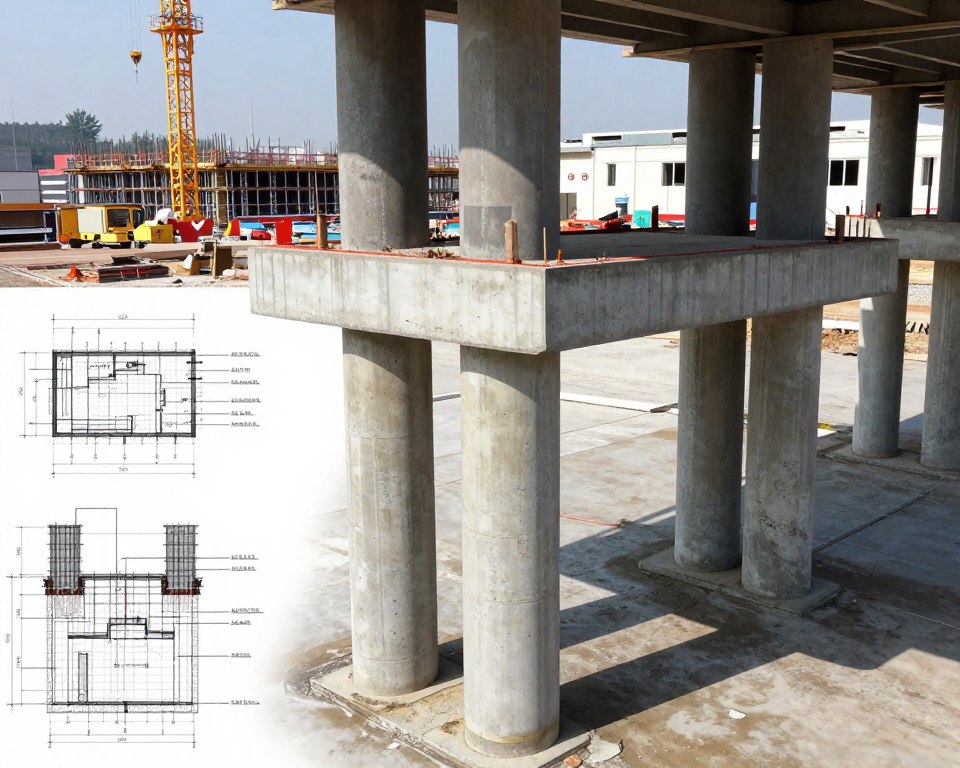
Accurate calculations of these points lower the risk of foundation failure. Paying close attention to soil and how weight is shared gives any building project a strong start.
| Factor | Importance | Considerations |
|---|---|---|
| Soil Bearing Capacity | Critical for stability | Assess grain size and shear strength |
| Soil Stability | Affects long-term integrity | Evaluate moisture content and compaction |
| Load Distribution | Prevents uneven settling | Proper spacing and sizing of piers |
Pier Foundation vs. Other Foundation Types
There are different types of foundations in construction. Choosing between pier and slab foundations depends on the building site and climate. Pier foundations keep buildings above ground. This is good in areas where the soil is not even or holds a lot of water.
Comparison with Slab Foundations
Pier foundations have advantages over slab foundations. Slab foundations can crack or get moisture damage in flood-prone areas. Pier foundations, however, offer better drainage and adapt well to different conditions. They keep water away from the structure, which means less risk of damage.
Comparison with Crawl Space Foundations
Compared to crawl space foundations, pier foundations have benefits in access and upkeep. Crawl spaces can get moist, leading to mold and pests. Pier foundations promote airflow and are easier to get into for fixes and checks. This makes them more dependable and long-lasting for many projects.
Designing a Pier Foundation: The Basics
Building a pier foundation means paying close attention and doing precise math. The pier foundation design basics include figuring out the size, depth, and spacing of piers. These must support the structure properly. They also consider things like soil type and how heavy the load will be.
Required Calculations
The key math involves looking at the expected weights on the foundation. This covers:
- Dead loads from the structure
- Live loads, which can change over time
- Soil bearing capacity, crucial for the number and depth of piers
- Frost depth requirements, key in cold areas to avoid heaving later
Doing these required calculations makes sure the design is strong. It can handle the environment without breaking down.
Safety Considerations
Making sure a foundation is safe is critical. Hiring an expert engineer who knows the local rules can avoid big errors. Checking the design regularly finds problems early. This lowers the risk of a design that won’t hold up.
Also, it might be important to think about earthquake and wind forces, based on where the project is. Following safety rules keeps the structure safe. It also ensures people who use it are safe.
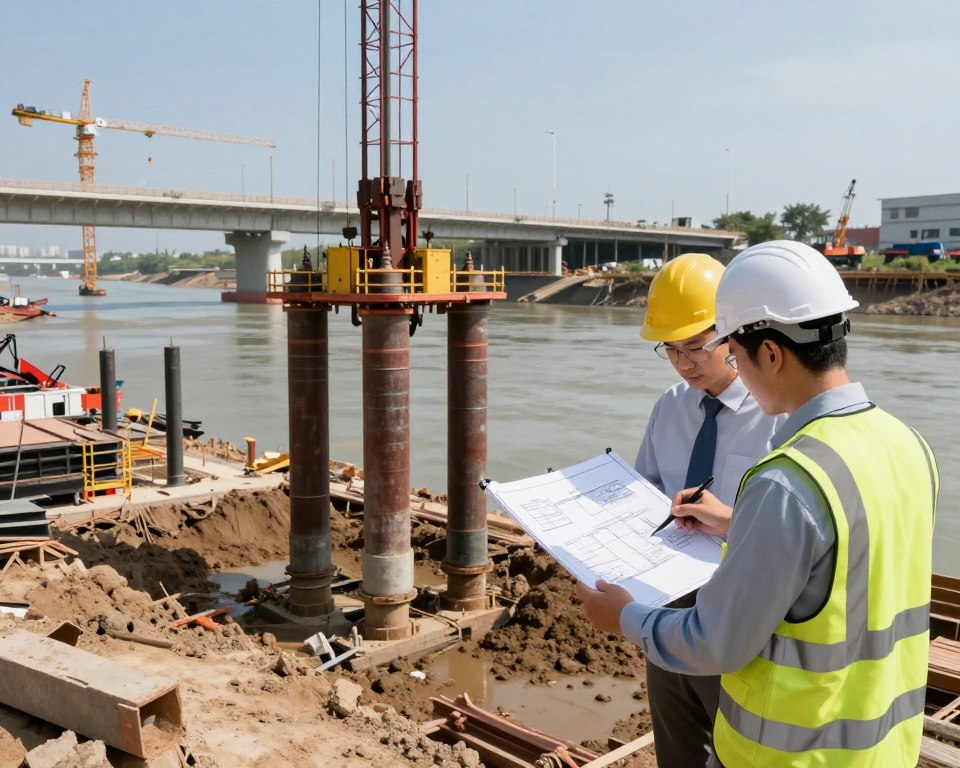
Installation Process of Pier Foundations
Putting in pier foundations requires a careful and accurate process. This ensures a stable and lasting base for structures. The first step is proper site setup, laying the foundation for what follows.
Site Preparation
Preparing the site for pier foundations means taking some key steps. First, clear the area of debris, plants, and anything in the way. Next, mark where each pier will go based on the design plans. This is key for making sure the load is shared out evenly. Also, set up ways to keep water from gathering around the piers.
Pier Drilling and Installation
After getting the site ready, it’s time to drill holes for the piers. These holes go deep, often below the frost line to avoid shifting when it’s cold. Then, concrete is poured into these holes to form the piers. It’s critical to space these just right so the foundation’s load is balanced. After the concrete sets, a final check ensures everything is aligned and stable. This check is crucial before any building starts on top.
Maintenance Tips for Pier Foundations
Maintaining your pier foundation is key for it to stay stable and useful for a long time. Regular upkeep prevents potential problems and helps the foundation last longer. By regularly checking the foundation, homeowners can spot issues early. This keeps the base of their home strong.
Routine Inspections
It’s very important to regularly inspect pier foundations to keep them in top shape. Homeowners should look for signs like cracks, shifts, or changes. The area around the foundation matters too. Keeping trees and plants a good distance away stops roots from causing damage.
Cleaning and Repairs
Keeping the area around pier foundations clean is crucial. Removing things that block water flow helps stop water from gathering. Good water flow is important to prevent damage to the foundation. If problems like settling or shifting are noticed, fixing them fast is essential. This might mean making the foundation level again to support the house well.
Common Mistakes in Pier Foundation Projects
Pier foundation projects can run into trouble due to often-made mistakes. Recognizing these errors can make a big difference in success. Issues like not checking the soil properly and skipping expert advice are crucial. Fixing these mistakes early helps avoid big problems later.
Underestimating Soil Conditions
Not checking the soil right is a big mistake in pier foundation work. Different soils can hold up varied amounts of weight, which can mess up pier designs. If builders don’t check the soil well, they might place the piers wrong. This can weaken the structure, leading to costly fixes and safety risks.
Skipping Engineering Consultations
Another mistake is not getting advice from engineers. Working with experts ensures all parts of the design and site are checked well. Missing out on this advice can cause big design mistakes. Experts can spot issues and suggest changes to make things stronger and last longer.
| Mistake | Consequence | Solution |
|---|---|---|
| Underestimating Soil Conditions | Structural instability | Conduct thorough soil assessments |
| Skipping Engineering Consultations | Foundation design errors | Engage with experienced engineers |
Fixing these common mistakes in pier foundation helps create safer and more reliable buildings. It’s important to check the soil well and get expert advice. Doing this helps projects meet their goals more safely.
Future Trends in Pier Foundation Design
Pier foundation design is getting more focused on being green and innovative. Builders and engineers are now choosing sustainable materials more often. These choices help lessen the environmental impact and make buildings more resistant to climate changes.
Sustainable Materials
Now, using green materials for foundations is critical in building. Materials like recycled content, new composites, and greener concrete are leading the change. They not only cut down on waste but also strengthen buildings, fitting different soils and loads.
Technological Advancements
New technology is also changing how pier foundations are built. Better soil stabilization methods and advanced software improve how well buildings can stand and bear weight. This means construction can be safer and more effective, keeping pier foundations as a smart choice for many projects.




