

ADVERTISEMENT
About 70% of skyscrapers use shear wall systems to stay upright. These important parts of buildings help them resist winds and earthquakes. They spread out the weight from the top to the bottom. Plus, they’re key in keeping buildings safe and lasting long. We’re going to look into the different designs of shear walls, what they’re made of, how they help, and where they’re used in buildings today.
Key Takeaways
- Shear wall systems are vital for the stability of high-rise buildings.
- They provide strength against lateral forces such as earthquakes and strong winds.
- Different types of shear walls include monolithic, precast, and reinforced concrete.
- Understanding the materials used in shear walls helps enhance their performance.
- Shear wall design plays a crucial role in the overall safety compliance of buildings.
What are Shear Wall Systems?
Shear wall systems are key parts of a building that help it stay up during strong winds or earthquakes. They keep the building from bending too much by spreading out the force. This makes buildings stronger and safer.
Definition of Shear Walls
A shear wall is a tall, sturdy wall that helps a building stand against side forces. These walls are usually made of reinforced concrete. They are placed carefully in a building to make it as strong as possible. They help keep the building upright and together, especially tall ones.
ADVERTISEMENT
Importance in Structural Engineering
Adding shear wall systems to buildings changes how structural engineers do their work. They help buildings handle side forces without changing shape too much. This keeps people safe during events like earthquakes. Engineers count on these walls to improve a building’s strength. They give both creators and users a sense of security.
Types of Shear Wall Systems
It’s crucial to know the different shear wall systems for effective analysis. Each one has unique building methods and materials for various structural demands. Here are three key types with unique characteristics.
Monolithic Shear Walls
Monolithic shear walls are made right at the construction site. This process connects them well with the structure. It boosts strength and support, vital in areas with earthquakes.
Precast Shear Walls
Precast shear walls are made away from the build site, which speeds up construction. They’re made in a controlled setting, which ensures they’re of high quality. This method is popular because it shortens building time.
Reinforced Concrete Shear Walls
Reinforced concrete shear walls often use Insulated Concrete Forms (ICFs). They offer better resistance to earthquakes due to their strength. Plus, they’re energy-saving, aligning with sustainable building goals.
| Types of Shear Walls | Construction Method | Main Advantages |
|---|---|---|
| Monolithic Shear Walls | Cast on-site | Enhanced structural integrity |
| Precast Shear Walls | Manufactured off-site | Efficiency and consistent quality |
| Reinforced Concrete Shear Walls | Built with Insulated Concrete Forms | Improved earthquake resistance and energy efficiency |
Materials Used in Shear Wall Construction
Shear walls need strong materials for good performance in different situations. Concrete is the main material due to its strength. It is often used with other materials to improve how well it works.
Concrete Composition
Concrete is key in building shear walls. Its mix varies to meet certain strength and durability needs. It includes cement, aggregates, and water. The mix determines the wall’s ability to handle side forces. Choosing the right concrete mix matters a lot for the walls’ strength.
Steel Reinforcement
Adding steel to shear walls is crucial. Steel bars or mesh inside the concrete add strength. They keep the walls stable and prevent cracks during heavy loads or in bad weather. Using steel right helps shear walls last longer and stay reliable.
Other Materials
New materials are also used in shear wall construction. Tech advances have brought in engineered wood and steel plates. These additions help the walls work better and meet design needs. Mixing old and new materials offers better solutions for today’s building challenges.
| Material | Properties | Usage in Shear Walls |
|---|---|---|
| Concrete | High compressive strength, durable | Main structural component |
| Steel | High tensile strength, flexible | Reinforcement for tensile loads |
| Engineered Wood | Lightweight, flexible | Additional support in some designs |
| Steel Plates | High strength, good durability | Enhanced structural efficiency |
Benefits of Using Shear Walls
Using shear walls in construction offers big benefits that help buildings perform better. These walls improve safety and work well with many design styles.
Improved Structural Integrity
Shear walls make buildings stronger. They help them stand up to wind and earthquakes. Because of this, they are very important in places where these dangers are common.
This strength makes buildings safer and last longer. People living or investing in these buildings can feel more secure.
Cost-Effectiveness
Shear walls also save money. They cut down on the need for extra supports. This means less spending on materials and faster building times.
These savings benefit those who develop and build these projects.
Design Flexibility
Shear walls also allow for creative designs. Architects can come up with beautiful and functional spaces. This is possible without giving up on safety.
These walls fit into different styles, keeping buildings both pretty and strong.
| Benefit | Description |
|---|---|
| Improved Structural Integrity | Enhances stability against lateral forces like wind and earthquakes. |
| Cost-Effectiveness | Reduces need for additional support systems, saving on materials and time. |
| Design Flexibility | Allows for various architectural styles without sacrificing safety. |
Drawbacks of Shear Wall Systems
Shear walls have critical structural benefits, but they also come with challenges. Knowing these drawbacks helps in making smarter design choices. Let’s look into some issues with shear wall systems.
Weight Considerations
Concrete shear walls add a lot of weight. This means we often need bigger foundations, which raises costs. This point is key when weighing shear walls against braced frames, which can be lighter.
Aesthetic Limitations
Shear walls can limit design looks. Their thickness can interrupt the visual flow, posing a challenge for architects. They sometimes need extra structural elements, complicating aesthetics and layout.
Potential for Cracking
Cracking is a big issue in shear wall systems. They need to manage side forces during earthquakes. Bad design or poor analysis can weaken structures. A good shear wall analysis helps avoid these problems by making sure walls are strong enough for stress.
Design Considerations for Shear Walls
Designing shear walls involves many important factors to ensure they perform well. It’s critical to look at load-bearing needs, follow the building codes for shear walls, and make sure these walls work well with other parts of the structure. Knowing these aspects helps engineers make buildings that are safe and strong against various forces.
Load-Bearing Requirements
Load-bearing requirements are key in shear wall design. We have to figure out the right thickness and how much reinforcement a shear wall needs to handle expected loads. This means looking at both vertical loads and side forces that can shake the stability of a building.
Wind and Earthquake Resistance
With more extreme weather and earthquakes happening, making shear walls that can stand up to wind and quakes is critical. Engineers need to build walls that can take these hits but still meet building codes for shear walls. Using the right reinforcement techniques and materials makes the walls much stronger against these forces.
Integration with Other Structural Elements
Making sure shear walls fit smoothly with other structural parts, like beams and columns, is very important. This teamwork creates a stable path for loads, keeping the building steady and supported. When shear walls are properly aligned, it boosts the building’s structure, making it safer and more effective.
Shear Walls in High-Rise Buildings
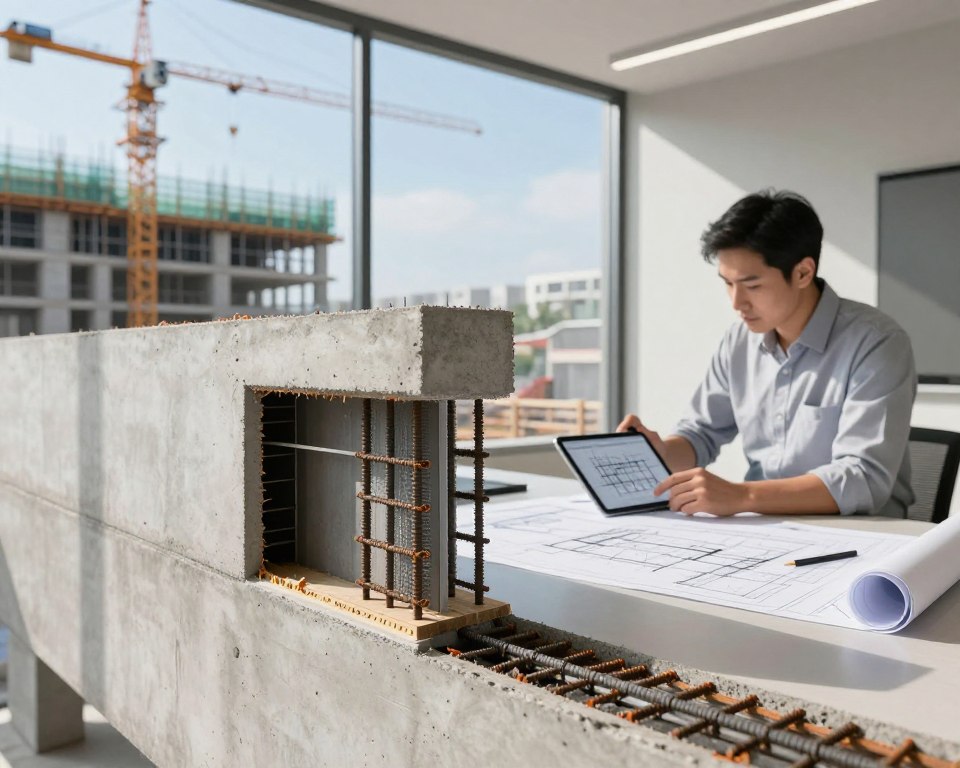
Shear walls are key to keeping high-rise buildings stable. They handle heavy loads and resist shaking during earthquakes. By using these walls, tall buildings can reach new heights safely.
Importance in Tall Structures
High-rise buildings face wind and earthquakes. Shear walls give them the strength and stiffness they need. They distribute weight better and reduce earthquake or wind damage. Shear walls are crucial for the safety and comfort of these buildings.
- Enhanced structural performance against lateral forces.
- Reduction in overall construction weight, leading to cost savings.
- Minimized deflection, ensuring occupant comfort and safety.
Case Studies of Successful Applications
Skyscrapers like Taipei 101 and Burj Khalifa show how well shear walls work. These buildings stand tall and strong thanks to their smart design. They prove shear walls’ role in pushing architecture forward.
| Building | Height (meters) | Shear Wall System Type | Location |
|---|---|---|---|
| Taipei 101 | 508 | Core shear walls | Taipei, Taiwan |
| Burj Khalifa | 828 | Coupled shear walls | Dubai, UAE |
| One World Trade Center | 541 | Reinforced shear walls | New York, USA |
Shear Wall Systems and Building Codes
It’s key to know shear wall building code needs for safe and effective construction. Building codes, like those from the International Building Code (IBC) and the International Residential Code (IRC), set important standards. They cover design, materials, and safety needs for shear walls. Using these codes ensures buildings stay strong and gives a guide for engineers and builders.
Standards and Regulations in the U.S.
The U.S. has strict rules for shear wall systems to make sure they’re built right. The IBC and IRC provide guidelines for how shear walls should perform. Following these rules improves safety and meets the law’s demands. Since states can tweak these rules, knowing local codes is vital for shear wall projects.
Compliance and Safety Measures
Following shear wall code rules means careful building and regular safety checks. Engineers analyze shear walls to make sure designs are up to standard. This includes checking how well they handle loads, resist sideways forces, and stand up to environmental pressures. Keeping a close eye on construction ensures these safety steps from the codes are met.
Future Trends in Shear Wall Technology
The world of shear wall technology keeps changing, thanks to demands for better performance and green practices. New materials are key to this change, helping create better designs for shear walls. These innovations make buildings stronger and more eco-friendly.
Now, better design software lets engineers test how shear walls react to different forces. This means buildings can be designed to stand strong against earthquakes and strong winds. Thanks to more powerful computers, these designs are not only safer but also more efficient.
Being green is also more important in building today. Using recycled stuff and building in ways that save energy are setting new norms. These steps help in earning green building marks and show care for our planet in shear wall tech.

Shear Wall Systems in Residential Construction
In the building of homes, shear wall systems are key for safety and stability. They are very important in places with lots of wind or earthquakes, helping to keep structures steady. Adding them to a house design makes buildings strong and still look good.
Common Applications
Shear walls are often used in many parts of a house. Common uses include:
- Bearing walls for multi-story homes
- Part of open floor plans to maintain structural integrity
- Enclosing stairwells and elevator shafts
By placing shear walls smartly, they make homes more secure but don’t stop creative design.
Case Studies of Residential Projects
Many home projects have shown how well shear wall systems work. For example:
- California Home – This house has reinforced concrete shear walls for earthquake safety. It was a key factor during a quake.
- Texas Family House – This building got shear walls for better wind resistance. They are very helpful in areas with heavy winds.
Maintenance of Shear Wall Systems
Keeping shear wall systems in good shape is key for their job and safety. Checking them often means you can spot problems early. This way, you’ll see signs of wear, cracks, or damage from things like the weather faster. It helps a lot in making sure shear walls work right.
Routine Inspections
When checking regularly, pay attention to a few important things:
- Look closely at the concrete to find cracks or pieces that are falling off.
- Make sure the steel bars in the wall are all in place and not broken.
- Check nearby parts of the building for any unusual shifts or pressure points.
Repair Techniques
Finding problems early means repairs can happen before things get worse. Some usual fixes are:
- Putting new steel bars wherever the old ones have worn out.
- Filling in cracks to keep water out and stop more damage.
- Using strong, modern materials to make repairs last longer and work better.
Long-Term Durability
To make shear walls last longer, always use the best materials for building and fixing them. High-quality materials help shear walls stay strong longer, which means less fixing. A good upkeep routine, based on regular checks, makes shear walls stay useful for a long time.
Conclusion: The Role of Shear Walls in Modern Construction
In modern construction, shear walls are key. They help buildings stand strong against winds and earthquakes. This makes them vital for building safety.
Shear walls also add to how buildings look and work. They’re important in homes and business places alike.
Summary of Benefits
Shear walls bring many benefits to building projects. They improve safety and are cost-effective for managing loads. They also allow for more creative designs.
Because of this, builders and architects often choose shear walls. They help ensure buildings last long and stand strong against nature.
Future Outlook for Shear Wall Systems
The future looks bright for shear walls. New materials and design tools will enhance them further. They will also become more eco-friendly.
This means shear walls will meet our needs today and tomorrow. They’ll keep playing a big role in safe and efficient building design.




