ADVERTISEMENT
Did you know a small pond garden could bump up your property value by up to 20%? Many homeowners now want calming areas outdoors, making a simple water feature popular in yard designs. Adding a small pond to your outdoor area creates a quiet spot for rest and a lively place for wildlife. It also makes your backyard look better.
In this article, we’ll look at different DIY pond ideas for any yard size. These ideas are for both seasoned gardeners and beginners. You’ll learn how to pick the best spot and the right plants. We aim to help you make a beautiful water feature that your family will love for many years.
Key Takeaways
- A small pond garden can significantly enhance your property’s aesthetic and value.
- Even a modest water feature can attract wildlife and create a soothing atmosphere.
- DIY pond landscaping offers numerous creative possibilities for all skill levels.
- Choosing the right location and plants is crucial for a successful small pond garden.
- Incorporating elements like seating and lighting can elevate your backyard experience.
Why Create a Small Pond Garden?
A small pond garden brings many benefits that can help both the environment and your own space. Many people don’t see how these tiny ponds can make a backyard lively. They offer a home to various living creatures and a peaceful spot for you to unwind.
ADVERTISEMENT
Benefits of Having a Small Pond
Small ponds draw birds, frogs, and dragonflies. These animals help control pests and keep your garden in balance. Beyond looking pretty, small ponds support a wide range of life. They are key in keeping nature’s relationships healthy.
Environmental Impact
Small ponds help recharge groundwater and can even make local water cleaner. They work like nature’s filter, catching pollutants. This creates a better environment for many plants and animals. Having this balance right in your yard is important for nature.
Aesthetic Appeal
Ponds add beauty and a sense of peace to gardens. They can become stunning centerpieces, whether among colorful flowers or in sleek designs. This beauty makes your outdoor areas more enjoyable for spending time with loved ones.
Planning Your Small Pond Garden
Making a small pond garden needs careful thinking to make sure it does well and is fun. You should think about location, size, depth, and the right tools. Following tips on where to place it can help a lot.
Choosing the Right Location
First, you need to find the perfect spot. Choose a place with plenty of sunlight to help plants grow and keep the water warm. It’s important to pick a place that’s easy to reach for upkeep. The area should also be shielded from strong winds and falling debris, which can mess with the pond’s balance.
Determining Size and Depth
Choosing your pond’s size and depth is key to a healthy water environment. Bigger ponds usually stay balanced better, supporting more plants and fish. Aim for at least two feet deep to avoid mosquitoes and make room for various water creatures. Think about how your pond will look in your garden too.
Essential Equipment You’ll Need
For a vibrant pond, you need several key pieces of equipment. You’ll need liners, pumps for water movement, and filters for cleanliness. If you want certain animals, consider getting aeration systems and water treatments. Buying good-quality gear means your pond will be a peaceful spot for a long time.
Types of Small Ponds
Adding a small pond makes any garden more lovely and peaceful. There are many kinds of small ponds to fit different tastes and yard types. Knowing about these kinds will help you pick one that improves your garden’s look and usefulness.
Natural vs. Formal Ponds
Different small ponds can be sorted into natural or formal styles. Natural ponds blend with your yard and welcome wildlife. They have uneven shapes, local plants, and natural rocks to support a green vibe. On the other hand, formal ponds have a neat, structured look. They use shapes with clear lines and plants in order, perfect for tidy gardens.
Raised Ponds and Container Ponds
If your garden is small, try a raised or container pond. Raised ponds lift the water up, catching the eye and keeping pests and drying out at bay. Container ponds work well on patios or balconies, letting city folks have water gardens. These pond types are great for adding water beauty without a lot of yard work.
Prefabricated Pond Kits
Prefabricated pond kits make setting up a pond easier. They come with everything you need, like a liner, pump, and filter, for a quick DIY pond. These kits suit many garden looks and sizes, helping you find just the right one. They come with easy steps so anyone can build a pond and make their outdoors more inviting.
Selecting Plants for Your Pond
Choosing the right plants for your pond is key to a healthy ecosystem and good looks. Different plants help by adding oxygen and shelter for pond creatures. It’s important to know about the kinds that sit below or float on the water. You’ll also need the right plants around the edges of your pond.
Submerged and Floating Plants
Plants like anacharis and hornwort are submerged and help keep the water clean. They take in extra nutrients, which stops algae from growing, and add oxygen. Floating plants, such as water lilies and duckweed, are pretty and shade the pond. This keeps the pond’s temperature just right. Both plant types support the life in the pond.
Aquatic Plants for Edging
Aquatic plants at the edges make your pond look better and stop soil from washing away. Plants like creeping jenny and blue flag iris grow well at the water’s edge. They look nice, offer homes to creatures, and keep the bank solid.
Choosing Marginal Plants
Marginal plants add depth and variety to your pond’s edges. Choose local plants that grow well in your area, like cattails and marsh marigolds. They live in shallow water and draw in helpful wildlife, making a balanced ecosystem. Mix heights and colors for a better view.
| Type of Plant | Examples | Benefits |
|---|---|---|
| Submerged Plants | Anacharis, Hornwort | Oxygenate water, absorb excess nutrients |
| Floating Plants | Water Lilies, Duckweed | Provide shade, reduce temperature |
| Aquatic Edging Plants | Creeping Jenny, Blue Flag Iris | Enhance aesthetics, stabilize pond banks |
| Marginal Plants | Cattails, Marsh Marigolds | Attract wildlife, add texture |
Incorporating Fish into Your Pond
Adding fish makes your small pond look more beautiful. It also helps create a lively water world. It’s important to choose the right fish, take good care of them, and keep your pond balanced. This will make your pond successful. Read on to learn about the best fish for your pond, how to care for them, and how to keep your pond’s ecosystem healthy.
Best Fish for Small Ponds
It’s key to pick fish that are happy in a small space and look pretty. Some great choices include:
- Goldfish: They are tough and colorful, doing well in different water conditions.
- Koi: These beautiful fish need a lot of room to grow.
- Shubunkin: With their vibrant colors and patterns, they catch the eye.
- White Cloud Mountain Minnows: They are small, peaceful, and perfect for living with other fish.
Care and Maintenance of Pond Fish
Taking good care of your pond fish keeps them healthy for a long time. Check the water for pH, ammonia, and nitrite levels often. Don’t feed them too much. Too much food makes the water dirty. Keep the pond clean by taking out trash and algae. This keeps your fish healthy and happy.
Creating a Balanced Ecosystem
A balanced ecosystem is good for both fish and plants. Add different plants for shade, oxygen, and hiding spots for fish. Use good bacteria to help break down waste and make the water clear. Keeping an eye on the ecosystem’s health stops problems. This helps your water world flourish.
| Fish Species | Average Size | Temperature Range (°F) | Ideal Pond Size |
|---|---|---|---|
| Goldfish | 6-12 inches | 60-74 | Minimum 50 gallons |
| Koi | 12-36 inches | 65-75 | Minimum 1000 gallons |
| Shubunkin | 6-12 inches | 65-75 | Minimum 100 gallons |
| White Cloud Mountain Minnows | 1-2 inches | 64-72 | Minimum 10 gallons |
Designing the Surroundings
Creating a lovely pond garden needs good planning, especially for the surroundings. Hardscaping around ponds makes them look better and more useful. Adding places to sit and lights can make your pond a beautiful escape.
Hardscaping Ideas for Your Pond
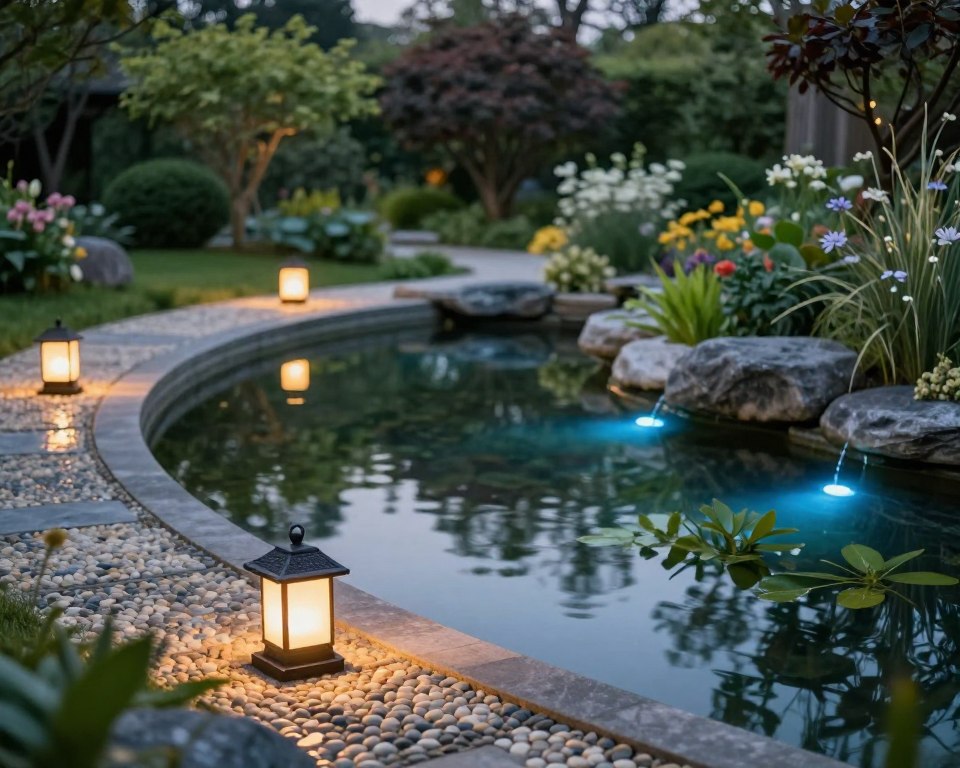
Hardscaping for ponds uses stone, pavers, and gravel for pathways and edges. Try making a stone path to your pond for beauty and ease. A patio with outdoor chairs offers a great spot to unwind and enjoy the water’s calm sounds.
Adding Seating Areas
Seating is key to fully enjoy your pond garden. Pick cozy benches or stone chairs that match your pond’s style. Putting seats around the pond gives you different views to enjoy the plants and animals. Sitting down makes the pond experience better.
Incorporating Lighting Features
Lights can make your garden magical at night. Adding lights under the water shows off the pond after dark. Solar lights or LED path lights add safety and beauty, letting you use the garden longer. Good lighting adds safety and a magical touch to your pond.
Water Quality Management
Keeping the water in ponds clean is key to a healthy pond life. Testing the water often helps us know what it needs. By checking things like pH, ammonia, and nitrates, pond owners can keep the water safe for fish and plants.
Importance of Water Testing
It’s important to test your pond water regularly. This way, you can spot any harmful substances early on. You should especially check the pH level and nutrient levels. Too many nutrients can cause too much algae to grow.
Recommended Water Treatments
For clean pond water, use both preventative and corrective treatments. Adding good bacteria can reduce organic waste. Algae control products help prevent too much algae growth. Using these treatments regularly keeps your pond healthy.
Filtration Systems for Small Ponds
Good filtration is a must for clear and healthy pond water. You can choose from mechanical, biological, and UV filters. Each type of filter has its benefits, so you can pick the best one for your pond. The right filter system helps keep your fish and plants healthy and makes your pond look nice.
Attracting Wildlife to Your Pond
A small pond garden can be a big deal. It attracts all kinds of wildlife. You bring more life to your garden and help nature too. Adding birds, butterflies, and insects makes your pond better. Don’t forget to make it a home for frogs too. They help with pests and add to nature’s variety.
Birds and Butterflies
Want to see more butterflies and birds? Use plants full of nectar and seeds. Native plants are great for adding beauty and helping wildlife. Feeders for birds can make your pond a favorite spot for them.
Beneficial Insects
Helpful insects keep your pond healthy. Plants like milkweed help bees and butterflies. Leaf piles give ladybugs a place to live. They eat pests, making your garden healthier.
Creating Habitat for Frogs
For frogs, add shallow water areas and plants. Rocks and logs are great hiding spots. Frogs need places like water lilies to hide from dangers. A good pond helps frogs thrive, which keeps pests away and the ecosystem happy.
| Wildlife Type | Attraction Method | Benefits |
|---|---|---|
| Birds | Nectar and seed plants | Natural pest control, aerial beauty |
| Butterflies | Nectar-rich flowers | Pollination support, color |
| Beneficial Insects | Natural habitats and food sources | Pest management |
| Frogs | Shallow edges, dense vegetation | Pest control, biodiversity |
Seasonal Care for Your Pond
Maintaining a small pond involves caring for it in different ways during the year. You need to change your routine to keep a healthy ecosystem. From getting your pond ready for winter to cleaning it up in spring, each season has special tasks. These tasks help keep your garden’s pond looking great.
Preparing for Winter
When it gets colder, getting ready for winter is key. Start by cleaning out any debris that fell in the fall. This includes leaves and dead plants that could rot under the ice, making the water quality bad. If your pond is small, think about covering it to stop ice from forming. Covering helps keep the water fresh.
Spring Cleaning Tips
After the cold is gone, start your spring cleaning by removing any leftovers. Check your plants to see if they need trimming or to be replaced. Look at the water levels and quality, and fix anything that’s off. Also, make sure your pumps and filters are working right as it gets warmer.
Summer Maintenance Tasks
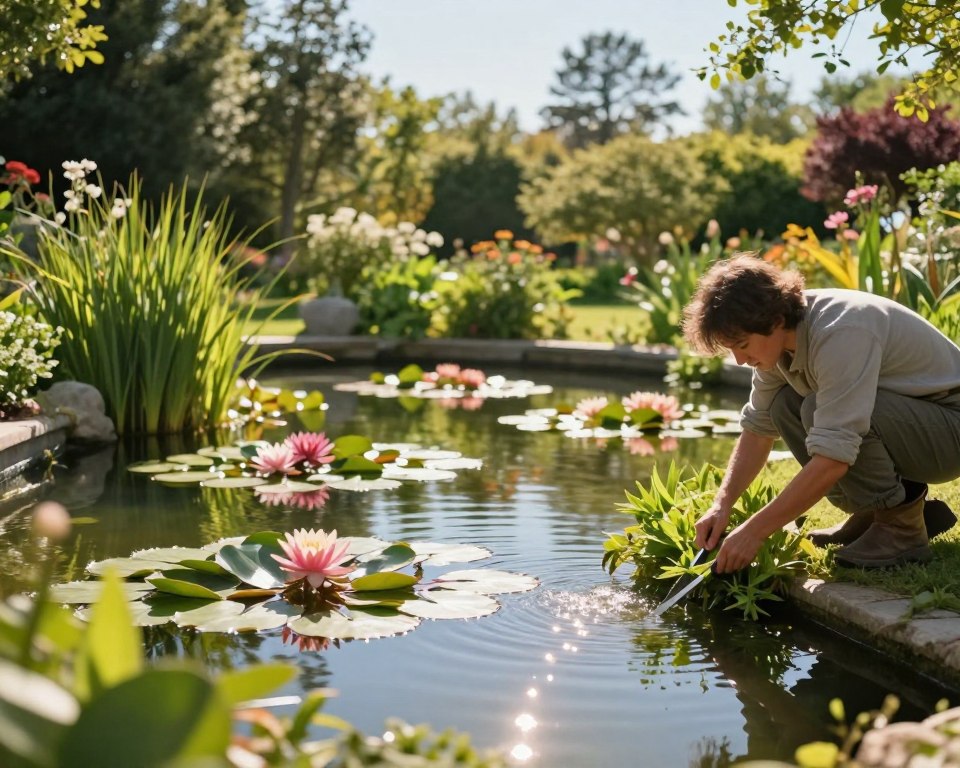
In summer, watch out for algae growing too much. It’s crucial to keep an eye on water temperature and quality. Use methods to control algae if you need to and check that your filters are working well. This helps keep the water healthy. Also, look after your plants and fish to ensure your pond stays beautiful even when it’s very hot.
Common Problems and Solutions
Keeping a small pond pretty and healthy can be tricky. You might face issues like too much algae, pests, or damaged liners. Learning how to fix these issues is key for a better pond environment.
Algae Growth Control
Too much algae can turn your pond green and murky. It’s crucial to know how to control it. Natural methods can help a lot:
- Adding beneficial bacteria to break down organic matter.
- Incorporating plants that compete for nutrients, minimizing algae growth.
- Ensuring proper aeration to maintain healthy water circulation.
Using these methods fights algae and improves water quality. This makes your pond ecosystem more lively.
Dealing with Pests
Pests, like mosquitoes, can really bother pond owners. It’s good to choose organic ways to manage them. Here are some smart moves:
- Utilizing mosquito fish, which help control larvae populations.
- Encouraging natural predators, like dragonflies, that feed on pests.
- Maintaining healthy plant life to create habitats for beneficial insects.
These actions help with pest control and support a diverse pond life.
Repairing Damaged Liners
Over time, liners in your pond could get holes or wear out, causing leaks. Fixing these liners is a must to keep water levels stable and avoid more harm. Here are some fixes:
- Using patch kits specifically designed for pond liners, made of durable materials.
- Employing underwater sealants for smaller leaks.
- Replacing sections of the liner if damage is extensive.
Checking your liner often helps you find issues sooner. This makes it easier to fix them and helps your pond last longer.
Enhancing Your Pond Experience
Making your pond area better can turn it into a calm hideaway. By adding creative water features, you boost its look and feel. The gentle sounds of water from waterfalls or fountains make it a peaceful spot to relax.
Adding Water Features
Adding things like fountains, streams, or little waterfalls can make your pond garden nicer. These features are good for the eyes and help aquatic life. They should match your garden’s look to blend well. Water features can become the main attraction with just simple pumps.
Creating a Meditation Space
Having a special spot for meditation can greatly enhance your pond experience. Think about putting a comfy bench or a yoga mat by the water. The natural pond sounds can help you focus and relax. Add plants and stones around your spot to make it peaceful and welcoming. This helps you feel closer to nature.
DIY Projects for Your Pond
Doing DIY projects for your pond can be really rewarding. You can build things like cute wooden bridges or decorative stone edges. These projects let you be creative. You make unique things that show off your style. These additions make your pond better and give you joy as they come to life.
Best Resources for Pond Garden Lovers
If you love your small pond garden, you’re in good company. There are many resources out there to help you learn more and enjoy pond gardening more. Whether you’re starting out or you’ve been at it for years, finding good books, joining communities, and connecting with local clubs can make it even better.
Recommended Books and Magazines
Reading books on pond gardening can teach you a lot. Titles like “Pond Boss” and “Aquatic Gardening” are full of tips from experts. They can make you more skilled and inspire your own garden designs.
Online Communities and Forums
Being part of online pond forums is great for sharing and getting advice. Websites and social media are full of pond fans discussing their projects. You can ask questions, brag about what you’ve accomplished, and learn from others. This makes you feel part of a larger group that loves pond gardening.
Local Gardening Clubs and Workshops
Local clubs and workshops focused on ponds are worth checking out. They offer practical lessons and a chance to meet other pond lovers. Getting involved helps you improve and make new friends who share your interest. This way, your garden and your friendships can grow.