ADVERTISEMENT
Did you know nearly one-third of our food needs pollinators like bees, butterflies, and hummingbirds? These tiny workers are crucial for both ecosystems and farming. Pollinator garden design is key to inviting them into our yards. It creates lively homes that help these important creatures thrive.
Not only do these gardens boost the variety of life, but they also make our living spaces more beautiful and useful. By adopting eco-friendly gardening, we help pollinators flourish. This adds color and vitality to our lives.
Key Takeaways
- Pollinator gardens significantly support ecosystems and local biodiversity.
- Effective pollinator garden design can attract essential pollinators.
- These gardens add aesthetic beauty to outdoor spaces.
- Creating an eco-friendly garden encourages sustainable practices.
- Pollinator gardens help sustain vital food sources.
What is a Pollinator Garden?
A pollinator garden is a special place that helps plants reproduce. It attracts bees, butterflies, and other pollinators by providing what they need, like food and shelter. If you’re thinking about starting such a garden, it’s good to know why it’s important for these helpful creatures.
ADVERTISEMENT
Definition and Purpose
Pollinator gardens are more than just pretty spots. They create safe homes for important pollinators like bees and butterflies. These creatures need our help to find food and shelter. When we plant native flowers, we support our local wildlife. This makes pollinator gardens key to keeping nature in balance.
Importance for Ecosystems
About 85% of flowering plants need pollinators to make seeds and fruits. Without them, ecosystems could fall apart. By making a garden for pollinators, we help save vital habitats. This supports wildlife and keeps our planet beautiful.
Benefits of Pollinator Gardens
Pollinator gardens offer more than just a pretty view. They help wildlife, boost biodiversity, and make gardens look better. They provide homes and food for many species. This helps build a strong ecosystem.
Supporting Wildlife
Pollinator gardens are great for wildlife. They draw in bees, butterflies, and more with their diverse plants. This helps feed them and keeps them alive. A good pollinator garden becomes a haven for local animals, helping nature’s balance.
Enhancing Local Biodiversity
These gardens are key in improving local biodiversity. By planting a variety of native plants, gardeners help save unique species. This keeps the environment healthy for different plants and animals to live together. Over time, these efforts lead to a diverse ecosystem.
Aesthetics and Value
A pollinator garden can make your outdoor space look amazing. It adds color and texture, making your property more valuable. It’s also a fun place for you and guests to enjoy. Plus, it teaches people about the importance of pollinators.
Essential Pollinators to Attract
Creating a thriving garden for pollinators is key for healthy ecosystems. By welcoming these creatures, you make a space where plants and animals thrive together. Bees, butterflies, and hummingbirds are three important types to invite.
Bees
Bees are super important for pollinating a lot of our food. To draw them in, plant a variety of flowers. Include bloomers like lavender, sunflowers, and clover. These plants provide food, making bees regular visitors to your garden.
Butterflies
Butterflies add beauty and help pollinate your garden. Attract them with specific host plants. Monarchs need milkweed, and asters attract many types. A mix of nectar flowers and host plants will please your butterfly guests.
Hummingbirds
Hummingbirds, with their fast moves, also help pollinate. To attract them, go for bright, nectar-rich flowers. Bee balm, fuchsia, and trumpet vine work great. Adding feeders with sugar water increases their visits, making your garden more enticing.
Designing Your Pollinator Garden
Creating a pollinator garden starts with careful planning of your garden’s layout and choosing the right plants. You should look at the space to decide where the sunny and shady spots are. This makes the garden welcoming to different pollinators. A good tip is to use the 3 x 3 x 3 rule for plant selection. This means picking three native plants that bloom in each of the three seasons. This way, pollinators have food all year long.
Planning the Layout
When you plan your garden, think about where to place plants based on their need for light and water. Make paths and plant groups to make the garden easy to get around and look good. Using native plants is best because they help the environment more and are easier to take care of.
Selecting the Right Plants
When choosing plants, use guides on local native plants to find ones that do well in your area. Native plants are tougher and attract more local pollinators. Below is a table that lists some good native plants for each season:
| Season | Plant Type | Pollinator Attracted |
|---|---|---|
| Spring | Bluebell (Hyacinthoides non-scripta) | Bees, Butterflies |
| Summer | Bee Balm (Monarda didyma) | Bees, Hummingbirds |
| Fall | Asters (Symphyotrichum) | Bees, Butterflies |
Following these tips when starting your pollinator garden will help make a lively place for bees, butterflies, and other important pollinators.
Best Plants for Pollinator Gardens
To make a welcoming area for pollinators, choose the right plants. It’s important to pick plants native to your area. These plants will provide the best support for pollinators’ needs during their lives.
Native vs. Non-Native Species
Native plants are great for local wildlife and help keep the ecosystem healthy. They have grown up with local pollinators like bees and butterflies. Non-native plants might look nice but don’t offer much for local pollinators.
Seasonal Bloomers
It’s key to have flowers all year round. By planting flowers that bloom at different times, you make sure pollinators always have food. This variety helps pollinators stay healthy throughout the year.
Perennials and Annuals
Knowing the difference between perennials and annuals is useful for your garden. Perennials come back each year and provide stability. Annuals add bright colors and fill empty spots. Using both types makes your garden attractive and full of life in all seasons.
Garden Maintenance Tips
Keeping your pollinator garden healthy and vibrant needs careful work. You must water well, manage pests, and care for plants often. Doing this can make a garden where pollinators love to be.
Watering and Irrigation
Smart watering is key for your garden’s health. Drip systems water plants right at their roots, saving water too. Adjust water during dry times to keep plants strong. Check the soil’s wetness to water just right, without too much.
Pest Control Strategies
Keeping pests away is vital for a pollinator-friendly garden. Use natural ways like inviting good bugs, such as ladybugs, or natural repellents. Spotting pests early helps reduce damage and protects pollinators.
Pruning and Deadheading
Pruning and deadheading help plants grow healthy and bloom. Removing old flowers encourages new ones. Prune right to improve air flow and stop disease, making your garden irresistible to pollinators.
Creating Diverse Habitats
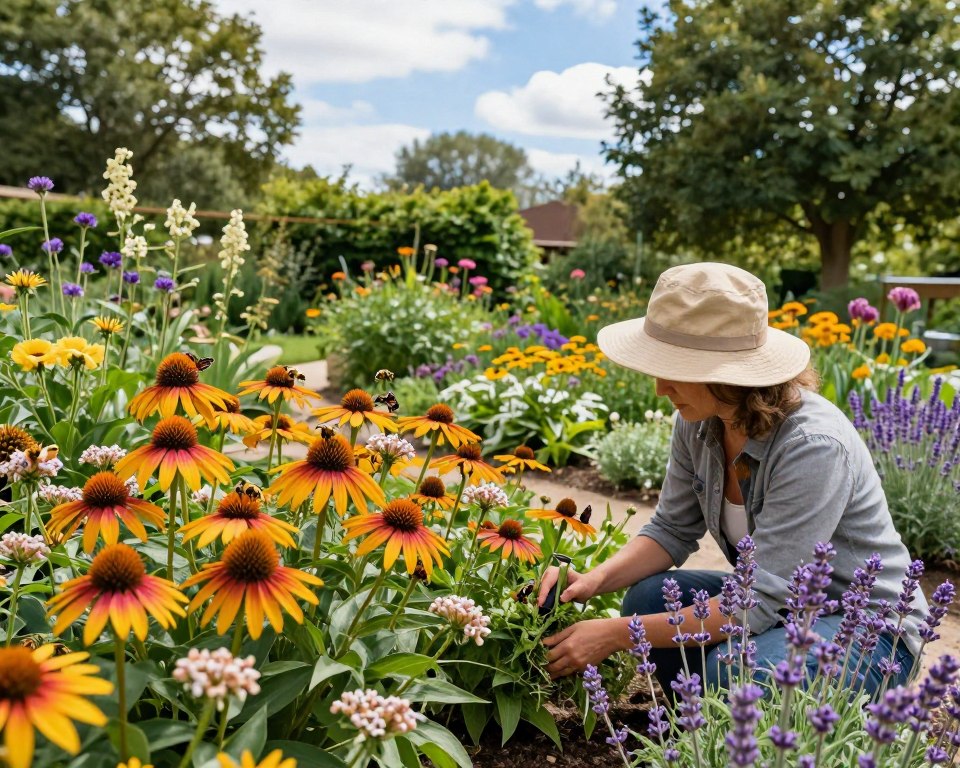
To keep pollinators coming, it’s vital to make homes that meet their various needs. One way to do this is by setting up places for bees to nest in your garden. Also, it’s key to have water for wildlife to drink and places for pollinators to hide. Each part helps make your garden a welcoming place for these important creatures.
Nesting Sites for Bees
Adding spots for bees to nest is easy in any garden. You can leave some soil bare for ground-nesting bees or use bee hotels for others. Using untreated wood or hollow stems works well for bees that like to nest in cavities. Offering different kinds of nesting areas makes your garden more diverse.
Water Sources for Wildlife
Water is also crucial for making a friendly space for pollinators. You can put in shallow bird baths or tiny ponds to give bees and butterflies a drink. It’s good to place rocks or pebbles so they can land safely. Keep the water clean by changing it often to draw more garden visitors.
Shelter for Pollinators
Providing shelter helps keep pollinators safe from bad weather and predators. You can use log piles or dense plants as hiding spots. Picking various plants, like tall grasses and thick shrubs, shields these vital creatures well.
| Habitat Element | Examples | Benefits |
|---|---|---|
| Nesting Sites | Bare soil, bee hotels | Encourages bee populations |
| Water Sources | Bird baths, shallow ponds | Provides hydration for various species |
| Shelter | Log piles, dense plantings | Protection from elements and predators |
Pollinator Garden Size Considerations
Planning a pollinator garden? It’s key to know how much space you have. Different sizes, whether it’s a tiny city plot or a wide-open country field, mean different ways to make a garden that pollinators will love. Each area offers its own special chances to bring in and help pollinators.
Small Urban Spaces
Got a small city garden? Think about going vertical to save space. Using walls, balconies, and fences lets you have lots of flowers without needing a lot of land. Try using pots too. This way, you can have plants that flower at different times. This gives pollinators food all year long.
Large Rural Areas
With more room in rural areas, you can really spread out. You can plant many kinds of flowers and plants. This not only looks beautiful but also attracts many types of pollinators. It’s good for the earth and makes your garden a stunning spot full of life and color.
Vertical Gardening Options
Vertical gardens are great for small spaces. They let you grow plants up high, which is perfect for attracting pollinators. You can use trellises covered in vines and hanging pots. This makes your garden beautiful and helps important pollinator friends.
Community Involvement in Garden Design
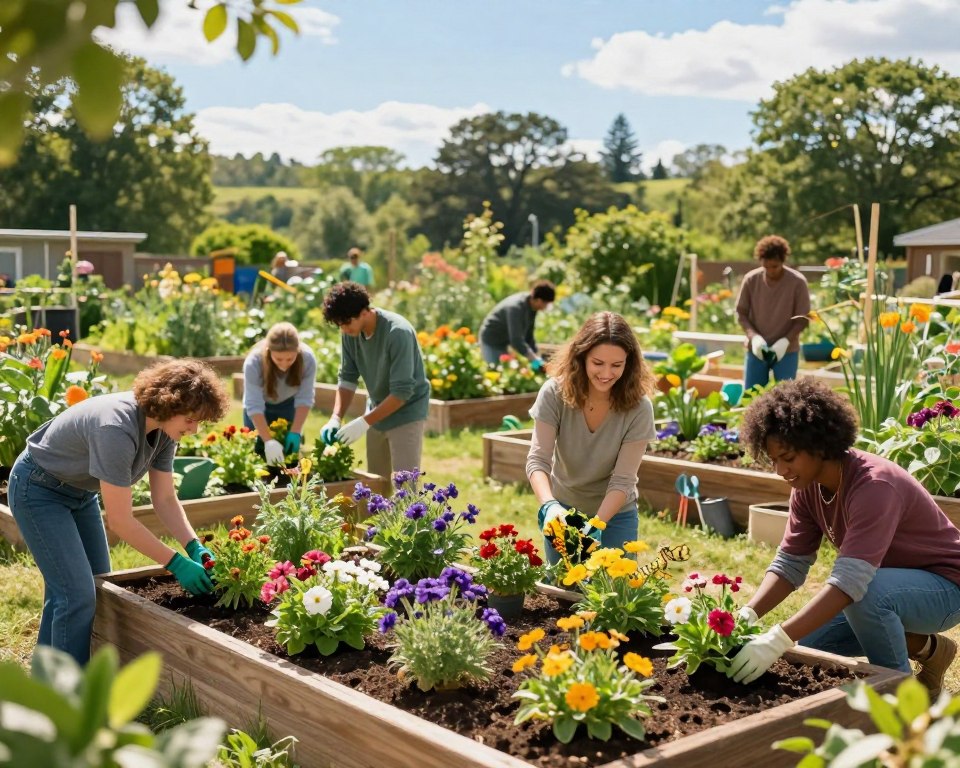
Getting the community involved in creating and looking after pollinator gardens can really boost their effect and last longer. When people come together for community gardens, they share better experiences and feel more connected. Working with local experts helps make sure gardens work well for both people and pollinators.
Collaboration with Local Experts
Working with local horticulturists, bug experts, and garden designers makes pollinator gardens better. These experts know a lot about picking the right local plants, how to plant them best, and keeping everything in balance. Teaming up with local farm groups or schools means more knowledge and help for the garden.
Engaging Schools and Groups
When local schools join in on garden projects, it sparks interest and responsibility for the environment in kids. School projects that let students get their hands dirty, like planting or garden care, teach them about saving pollinators and how to work together. Community groups can also hold events or workshops to get more people interested and involved in helping pollinators.
How to Educate Others About Pollinators
Teaching others about pollinators is key to helping our environment and gardens. There are many ways to share this knowledge. Communities can host events and workshops to inspire action. These activities offer hands-on learning and get people excited about starting pollinator gardens.
Workshops and Events
Workshops for pollinator gardens give tips on attracting helpful insects and birds. People learn how to build homes for pollinators, pick the right plants, and understand their roles. By meeting local experts, attendees gain a lot of knowledge and feel part of a community.
Online Resources and Social Media
The internet makes finding online resources for pollinators easy. There are websites, blogs, and social media filled with tips and stories. By sharing their journeys online, people boost awareness and motivate others to support pollinators.
Common Challenges in Pollinator Gardening
Pollinator gardening has many benefits but faces challenges too. Gardeners deal with pests, changes in weather, and soil quality. Knowing these issues helps make gardens better and full of life.
Dealing with Pests
Organic ways are best for tackling pests. Integrated Pest Management (IPM) uses natural predators to control pests. Companion planting, like marigolds with vegetables, can keep pests away and attract helpful insects.
Climate Adaptation
Choosing tough plants that can handle weather changes is key. Native plants need less water and care, making them eco-friendly. Mulching keeps soil moist, helping plants handle weather shifts. Diverse plants in the garden boost its ability to cope with climate changes.
Soil Quality Issues
Good soil is crucial for a garden’s health. Testing soil shows what it lacks or has too much of. Adding organic compost and cover crops betters soil health and growth. Healthy soil supports strong plants, which help pollinators thrive.
Conclusion and Call to Action
Making a pollinator garden is rewarding and doable. It improves your place and helps local wildlife thrive. Creating your garden now is crucial. It supports important pollinators our world needs.
Starting your gardening journey? This is your moment to act. Use the helpful tips from this article. Make your garden a haven for bees, butterflies, and other key pollinators. This effort will not only make your area more beautiful but also help local biodiversity.
If you’re keen to learn more, lots of resources are out there. Check out local gardening clubs or online forums. You’ll find tons of info to help your pollinator garden succeed. Take this chance to change the world, one flower at a time!