ADVERTISEMENT
About 35% of American families are now into gardening. This shows more people enjoy growing plants at home. Raised beds are a favorite since they look good and work well. They help in making a stunning veggie garden or flower bed. Plus, they support gardening that’s good for the plants and the environment. In this guide, you’ll learn how to pick the perfect spot for your garden and keep your plants happy through the year. By the end, you’ll know how to make a beautiful garden spot right in your backyard.
Key Takeaways
- Raised beds improve soil drainage and reduce compaction.
- They enhance accessibility for all gardeners.
- DIY raised beds can be made from various materials.
- Proper soil preparation is key for healthy plant growth.
- Companion planting maximizes space and plant health.
- Seasonal care ensures a thriving garden year-round.
Benefits of Raised Bed Gardening
Raised bed gardening boosts your gardening game and yields. It makes you see the value of this beloved approach.
Better Soil Drainage
Raised beds mean better soil drainage. They’re elevated, so water flows better, avoiding root rot. Plants get to grow in healthier soil, thanks to this.
ADVERTISEMENT
Reduced Soil Compaction
Reduced soil compaction is another plus. The soil stays loose because you don’t step on the beds. This keeps roots happy and helps plants get more nutrients.
Improved Pest Control
Raised beds help with improved pest control. They make it simpler to take care of your plants. You can even add hoops or nets to protect them from bugs and bad weather.
| Benefits | Details |
|---|---|
| Better Soil Drainage | Enhanced water escape, reducing waterlogging. |
| Reduced Soil Compaction | Preservation of soil structure and enhanced aeration. |
| Improved Pest Control | Easier maintenance and protective measures. |
Choosing the Right Location for Your Garden
Finding the perfect spot for your raised bed garden is super important. Make sure the place you pick gets plenty of sunlight, as this is critical for your plants’ health. Most veggies need 6 to 8 hours of direct sunlight each day to grow well.
Sunlight Requirements
Different plants need different amounts of sun. While some veggies do okay in shade, many need a lot of sunlight. Watch how the sun moves across your yard to choose the best place for your garden. Remember, the way the sun shines can change with the seasons.
Accessibility Considerations
It’s also key to think about how easy it is to get to your garden. When it’s simple to reach, you’re more likely to take good care of it and pick your veggies. Make sure it’s near a water source and easy to walk to. This help ensures that anyone who helps in the garden has a good time doing so.
Selecting Materials for Your Raised Beds
When setting up raised beds, picking the right materials is key. You have many choices, from wood to metal. Each option has its own pros and cons. Understanding these can help you pick the best one for your garden goals.
Wood Options: Cedar vs. Pine
Wood is a popular choice for raised beds. Cedar stands out because it doesn’t easily rot. This makes it a durable choice that can handle rough weather and pests well. It needs little upkeep over time. Pine, while less sturdy, is more affordable. It’s treated to resist rot but be sure to use untreated pine. This prevents chemicals from getting into your soil.
Other Materials: Concrete and Metal
Concrete beds are tough and last long, making them a solid choice. They work well in cooler places by keeping heat in, helping plants grow better. Metal beds are strong too and give a modern look. They warm up fast in the sun, which can help plants start growing early in the season. Both concrete and metal take more money at first, but they are good investments for avid gardeners.
| Material Type | Durability | Maintenance | Cost | Natural Resistance |
|---|---|---|---|---|
| Cedar | High | Low | Medium to High | Excellent |
| Pine | Medium | Medium | Low | Low |
| Concrete | High | Very Low | High | N/A |
| Metal | High | Low | Medium to High | N/A |
Ideal Dimensions for Raised Bed Gardens
Planning a raised bed garden means knowing the best sizes for your beds. The height and width are important. They affect how easy it is to reach your plants and take care of them. Finding the perfect size can greatly improve your gardening.
Height and Width Suggestions
Raised beds should be between 12 and 24 inches high. This height makes gardening easier on your back. It also helps with soil drainage. The best width is up to four feet. This way, you can easily reach the middle without stretching too much.
Standard Length Options
Most raised beds are about 4 feet long. This size is easy to work with and fits well in most spaces. You can go bigger if you need to. But, staying close to this length makes managing your garden simpler.
Soil Preparation for Raised Beds
Setting up a raised bed garden starts with good soil preparation. The best soil mix doesn’t just help plants grow. It makes gardening better too. A top-notch soil mix has different parts that create a perfect home for roots.
Choosing Quality Soil Mix
To have a balanced soil mix, you need three key ingredients: topsoil, composted manure, and coarse sand. This mix ensures good drainage and gives plants the nutrients they need to grow. Use equal parts of each for great results. With a focus on quality soil, gardeners can build a strong base for a variety of plants.
Importance of Organic Matter
Adding organic stuff like composts and leaf mold is vital for soil health. It makes the soil hold water better and boosts good bugs in the dirt. Organic material makes soil rich, helping plants and friendly creatures to flourish. By using organic matter, gardeners can make their raised bed soil great, leading to healthy and beautiful plants all through the year.
Plant Selection for Raised Beds
Selecting the right plants for your raised beds boosts your garden’s productivity and health. It also makes gardening more fun. By picking plants that go well together, you can get more crops and face fewer problems like pests and diseases.
Companion Planting Techniques
Companion planting means putting certain plants together so they help each other grow better. It’s a smart way to keep pests away and boost growth. For instance, planting marigolds with tomatoes can stop nematodes, making your tomatoes stronger. Here are some great plant pairs:
| Plant | Companion | Benefits |
|---|---|---|
| Tomatoes | Marigolds | Deters nematodes and attracts beneficial insects |
| Carrots | Onions | Repels carrot flies and enhances flavor |
| Beans | Corn | Corn provides support for beans; beans fix nitrogen in the soil |
Seasonal Planting Ideas
For a garden that gives you crops all year, planting by season is key. Begin with cold-loving plants like peas and spinach when spring starts. Then, switch to heat-lovers such as tomatoes and peppers as it warms up. This keeps your garden going strong all season. Look at this planting schedule:
- Early Spring: Peas, spinach, and lettuce
- Late Spring: Tomatoes, peppers, and squash
- Fall: Kale, radishes, and carrots
Designing Your Raised Bed Layout
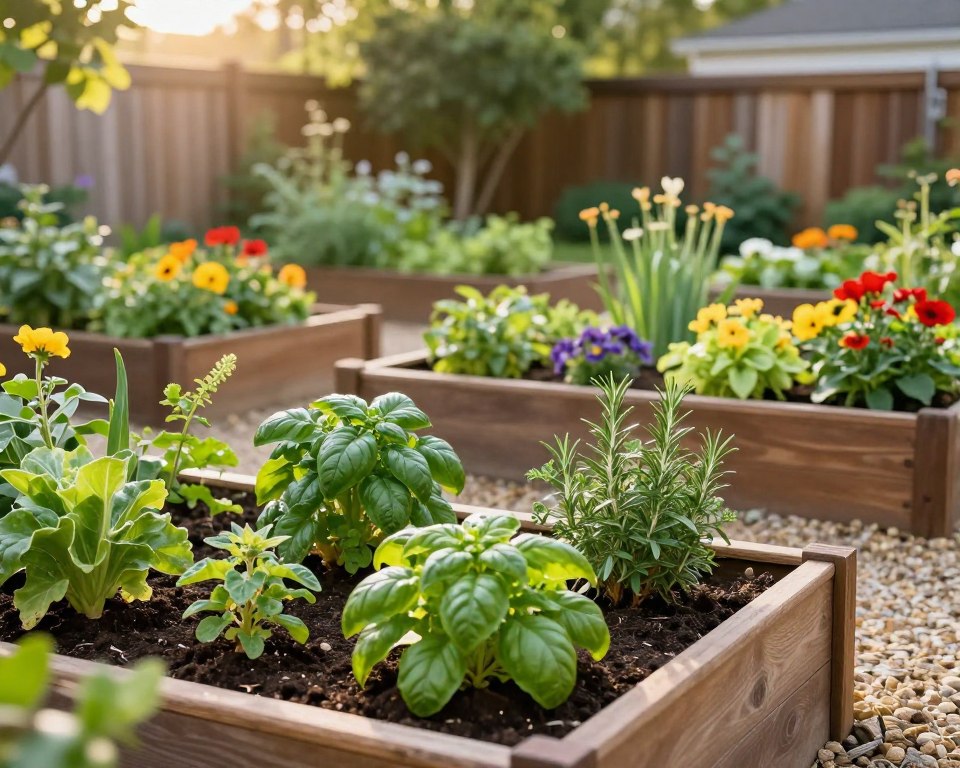
Creating a raised bed garden requires good planning. You need to decide on the layout. Will you go for a neat grid or a freeform design? Each choice impacts how your garden looks and works.
Grid vs. Freeform Designs
Grid designs have a neat and organized look. Each plant gets its own spot. This setup lets you manage the garden easily and use sunlight well. Freeform designs, though, give you the freedom to be creative. You can use curves and different shapes, making your garden look more natural and inviting.
Pathway Considerations
Think about the paths between your beds when planning. Narrow paths can be hard to work with. Aim for paths that are at least 18 inches wide. This size makes it easier to move around, even with garden tools or wheelbarrows. Wide paths help with garden upkeep and make it easier to get to your plants.
| Design Type | Benefits | Challenges |
|---|---|---|
| Grid Designs |
|
|
| Freeform Garden Designs |
|
|
Irrigation Techniques for Raised Beds
Watering raised beds well means knowing the right ways to do it. Different methods can make sure your plants get the right amount of water. Doing this well can make your plants healthy and increase what they produce.
Best Practices for Watering
Being regular with your watering is important. Here are some tips:
- Water deeply but infrequently: This helps roots go deeper, making plants stronger.
- Time your watering: Watering in the early morning or late afternoon is best to reduce water loss.
- Monitor soil moisture: Check the soil with your finger or a tool to see if it’s time to water.
Drip Irrigation Systems
Drip irrigation is a smart way to save water and make sure your plants get enough. It waters plants right at the roots and avoids wasting water. You can even use timers to keep the water consistent. This method also helps reduce weeds since it only waters the plants.
Maintaining Your Raised Bed Garden
Maintaining a raised bed garden means doing several things for healthy plants. You need to check on it often. This makes sure your garden stays full of life and gives a lot all season.
Weeding Tips and Tricks
Being ahead in weeding is a must for gardeners. Make a regular plan to look for unwanted plants. Using mulch cuts down on weeds, which means less work. Try organic mulch like straw or wood chips for better soil health. This approach fights weeds and keeps soil moist.
Fertilization Schedule
Having a smart fertilization plan is key for keeping plants strong in a raised bed garden. First, test your soil to see what it’s missing. Then, use organic fertilizers at the right times. Adding compost or decayed manure gives plants what they need and helps soil structure. Fertilizing every four to six weeks in the growing season tends to work well.
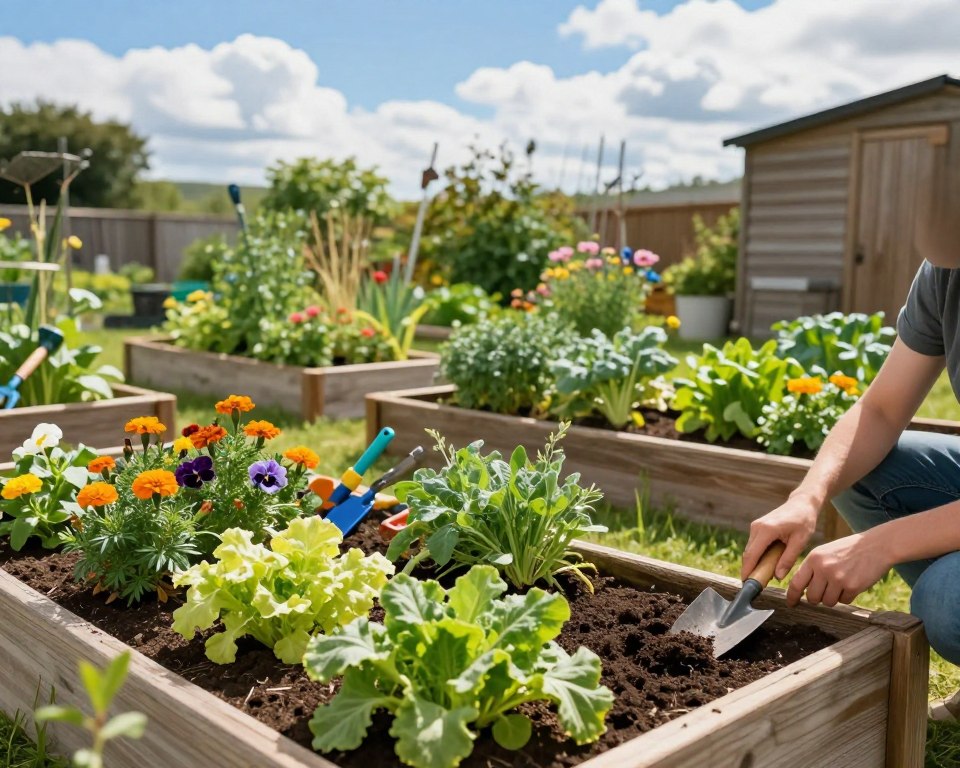
Remember, taking care of your raised bed garden regularly makes it thrive. Using these weeding strategies and following your fertilization calendar sets up a strong and productive garden.
Seasonal Care for Raised Bed Gardens
Taking care of raised beds each season means getting ready in spring and cleaning up in fall. This makes sure your garden does well all year. It also helps keep your soil and plants healthy.
Early Spring Preparations
When winter is over, it’s time to get your raised beds ready for spring. Start with these steps:
- Tilling the soil: Loosen compacted soil to let air in and improve water flow.
- Adding organic matter: Mix in compost or rotted leaves to make the soil richer.
- Setting up support structures: Put up trellises or stakes for plants that climb and thrive in warm conditions.
Late Fall Cleanup
After the growing season, cleaning up in late fall prepares you for the next year. Follow these essential steps:
- Removing plant debris: Get rid of dead plants to stop diseases and pests.
- Applying organic mulch: Cover the soil with mulch to keep it healthy during winter.
- Reflecting on the past season: Write down what worked well and what you can do better next time.
Troubleshooting Common Issues
Gardening in raised beds has unique challenges. Pests can get into your plants, and soil issues may affect growth. Knowing the problems helps you manage and care for your garden better. Here are ways to handle pests and improve soil quality.
Pest Management Strategies
Aphids and beetles can harm your garden, causing plant stress and less yield. Using integrated pest management strategies can help. You might introduce ladybugs to fight aphids. Neem oil sprays or insecticidal soaps also work well. Checking your garden often helps catch and stop pest problems early.
Soil Quality Problems
Soil issues often come from not having enough nutrients. Testing your soil tells you about its pH, nutrients, and organic matter. You might need to add compost or fertilizers based on test results. Good soil keeps plants healthy, less stressed, and growing strong.
Inspiring Raised Bed Garden Examples
Raised bed gardens provide a great way to spark creativity, especially in cities. Urban gardening has become more popular due to limited space. With smart designs, even small areas can turn into green retreats.
Urban Gardening Ideas
In places like New York and San Francisco, tiny balconies and yards get a new purpose. People are using raised beds, vertical planters, and hanging pots. This not only saves space but makes their homes look better. These ideas help produce more food and beautify neighborhoods.
Community Garden Inspirations
Community garden designs show how people can work together and support each other. Sharing raised beds brings neighbors closer, exchanging tips and resources. In cities like Chicago and Seattle, these gardens are thriving. They boost local greenery and make friendships stronger, creating a sense of community.